Table of Contents
Fuel Crisis Sparks Panic Buying in Australia
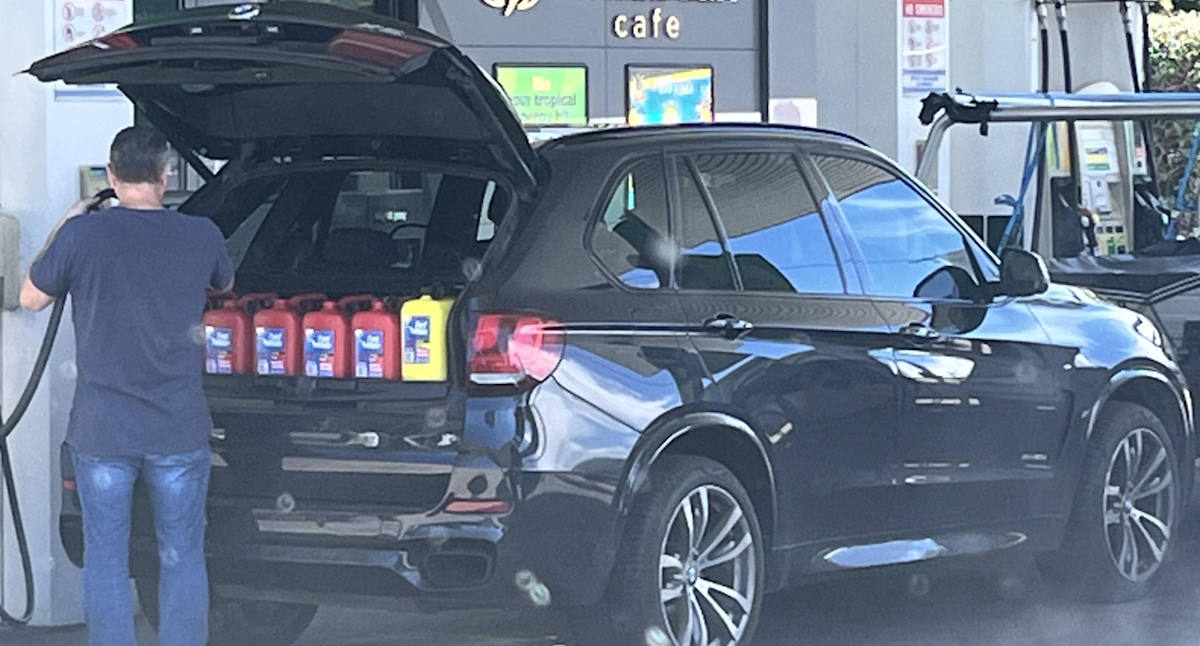
A recent image showing a BMW loaded with multiple jerry cans at a petrol station has ignited discussions online, underscoring the ongoing fuel crisis affecting Australian motorists. The visual highlights a growing trend of panic buying among consumers as petrol prices soar, pushing some towards drastic measures.
Fuel Prices Skyrocket
In various regions, petrol and diesel prices have been nearing the alarming $3 per litre mark. The crisis has escalated as the conflict in Iran continues, leading to service stations depleting their supplies. Major retailers, including Bunnings, are facing shortages in jerry cans, signalling the heightened public anxiety over fuel accessibility. With supply stretched thin, reports indicate that some petrol stations have even run out completely.
The Impact of Panic Buying
This week, a notable incident involved a driver filling their jerry cans from the boot of their BMW, drawing public criticism. Many commentators labelled the action as selfish and questioned its safety, given the potential hazards associated with transporting substantial quantities of fuel.
A survey by Money.com.au revealed that nearly one in four Australians have taken to stockpiling petrol, with 3% having encountered purchase restrictions. Financial expert Sean Callery attributed these actions to the uncertain fuel supply and the rapidly increasing costs, urging consumers to reconsider their panic buying habits. He emphasized that while stockpiling might seem prudent, it could inadvertently lead to further issues by exacerbating already strained supply chains.
Demographics and Regional Differences
Research indicated that the trend is particularly prominent among younger Australians. A staggering 39% of Gen Z participants admitted to stockpiling, followed by 30% of Millennials. Geographically, New South Wales emerged as the leading region for panic buyers (25%), followed by Victoria (22%) and Western Australia (21%).
Interestingly, while stockpiling fuel is not outright illegal, penalties can arise if local storage and transport regulations are violated. Service stations, too, could face repercussions for permitting fuel to be dispensed into non-compliant containers.
Current Situation and Government Response
Energy Minister Chris Bowen reported significant shortages, with 109 Victorian outlets lacking at least one fuel grade, 47 in Queensland running low on diesel, and 37 in New South Wales out of petrol. While there remains a possibility of rationing, Bowen stated that such a move is not on the immediate agenda.
Prime Minister Anthony Albanese has implored Australians to refrain from panic buying, likening the behaviour to previous COVID-19 hoarding, such as toilet paper, and highlighting the more hazardous nature of fuel storage. He expressed confidence that Australians would collectively act responsibly amidst the crisis.
Conclusion
As the fuel crisis continues, it remains essential for consumers to approach the situation with a level head. While the instinct to stockpile may be strong, the potential implications on both safety and supply necessitate a more measured response. The ongoing situation reflects broader economic pressures that affect everyday life for Australian households, underscoring the need for responsible consumption and adherence to safety protocols in fuel management.