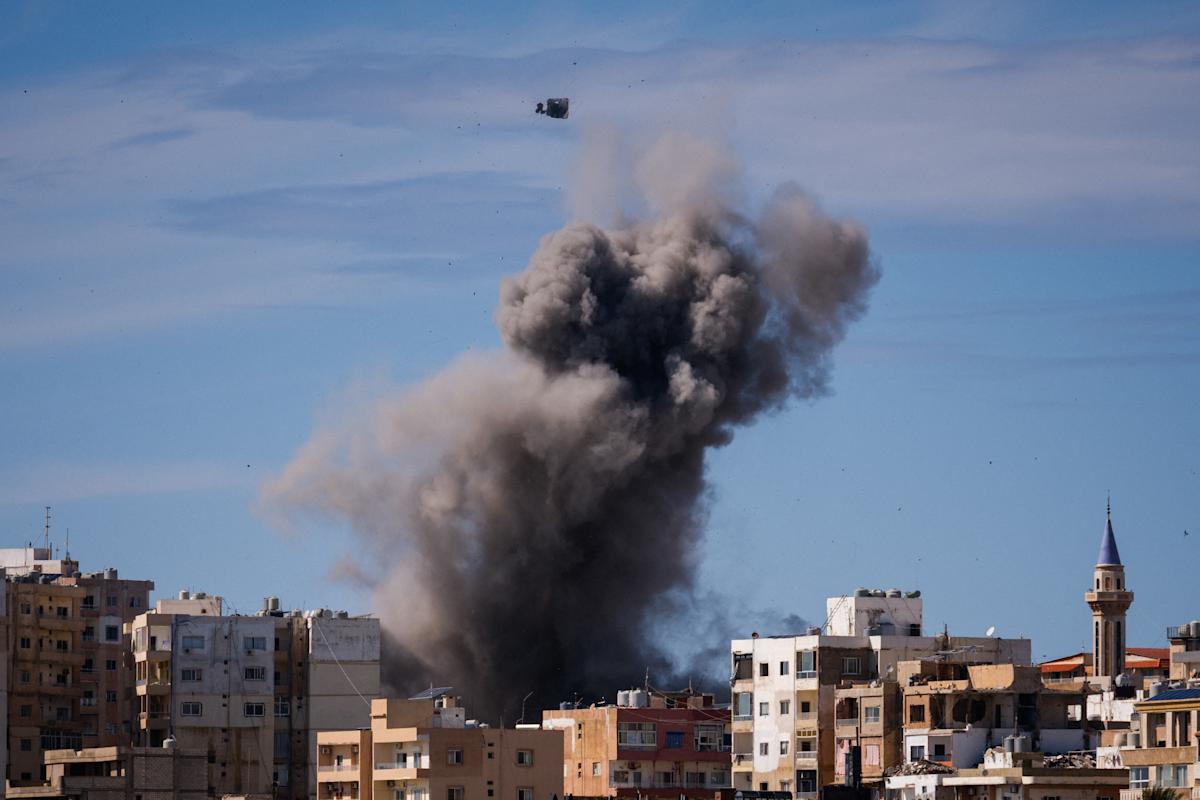
As the conflict in Iran extends into its fourth week, the crucial Strait of Hormuz remains effectively blocked, significantly impacting global oil supplies. This strategic passage, which typically facilitates the transport of about 15 to 16 million barrels of oil per day, has faced assaults on vital energy infrastructure, leading to major disruptions in Gulf refineries.
Experts assert that the current conflict is unprecedented, with BP’s chief economist Gareth Ramsay highlighting its unique characteristics at the recent CERAWeek by S&P Global, a prominent energy conference. He noted that the situation surpasses any previous oil shock experienced, stating, “this disruption is every analyst’s worst nightmare,” referring to the difficulties arising from disturbances in the Strait of Hormuz.
Following the onset of the war, futures for Brent crude have surged by approximately 40%, while West Texas Intermediate (WTI) has increased by over 30%, nearing peak historical levels. The ongoing crisis has drawn parallels to the 1973 oil embargo following the Yom Kippur War, which resulted in soaring crude prices, rampant inflation, and a significant stock market decline as central banks aimed to curb inflationary pressures.
Historically, the embargo transformed the global oil landscape, shifting pricing power firmly towards oil-producing nations and prompting governments to establish strategic reserves and emergency response strategies. The current disruption, however, stands as the most significant in recorded history, with experts like Jim Burkhard from S&P Global predicting prolonged repercussions for the energy sector and broader geopolitical climate.
Burkhard likened today’s circumstances to the 1973 incident, suggesting the ramifications of the Iranian conflict will unfold over years or even decades. The current scenario has forced markets to confront a realisation that many had only theorised about: the potential complete shutdown of a critical global energy artery.
Ramsay emphasised that nations will seek to diversify their energy sources, hinting at potential shifts in government policy to mitigate the impact of such crises. While some recovery in oil flows may occur in the near future, analysts warn that the situation will likely leave a lasting ‘risk premium’ embedded in oil prices, compelling governments and corporations to reassess their supply chains and preparedness against geopolitical turmoil.
Goldman Sachs has revised its forecasts upwards, anticipating that Brent and WTI will average $85 and $79 per barrel, respectively, by 2026. In 2027, the projected averages are $80 for Brent and $75 for WTI, reflecting considerations of prolonged market disruptions and strategic inventory rebuilding.
The conflict’s implications on global economic growth are significant. Ramsay indicated that a 10% increase in oil prices could decrease global growth by 0.1% to 0.2%, while a rise of 30% to 40%—similar to current conditions—might slash growth by up to 1%, marking a pronounced global slowdown.
Analysts stress that the length of the conflict and the duration of the Strait’s closure are critical factors in determining the extent of future repercussions. Government interventions, such as releases from strategic reserves, cannot compensate for the loss of 14 million barrels daily. With each passing day, the consequences for oil prices intensify, and the reactivation of closed wells and repair of damaged infrastructure could take years.
In a recent interview, Iranian parliamentary speaker Mohammad Baqer Qalibaf noted that conditions in the Strait of Hormuz “cannot be the same as before,” underlining the transformative nature of the current situation. As Ramsay succinctly captured, “There’s been no disruption of this scale,” indicating the potential for long-lasting changes in the energy landscape.
As the situation evolves, the focus remains on monitoring the conflict’s duration and its broader implications for global energy markets and economies.