Rising Mortgage Delinquencies Signal Financial Stress for Homeowners
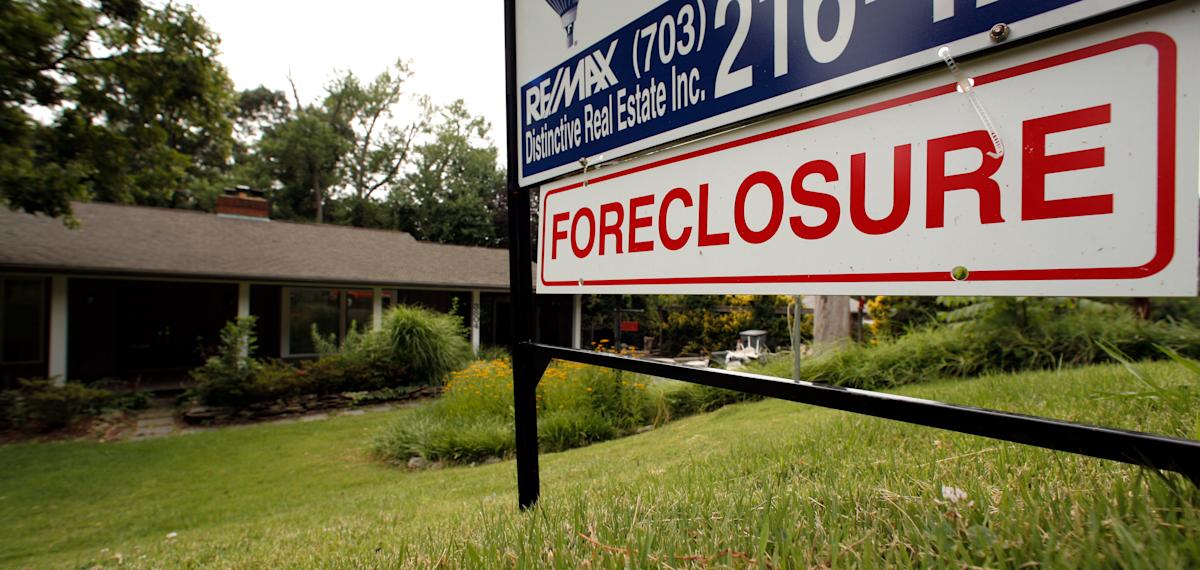
The recent surge in mortgages that are seriously past due or in foreclosure suggests increasing financial strain among homeowners, marking the highest levels seen since 2022. As reported by ICE Mortgage Technology, approximately 878,000 home loans were over 90 days late or in foreclosure as of January, reflecting a 25% rise over the past four months. This vulnerability is particularly pronounced among Federal Housing Administration (FHA) loans, which are commonly employed by buyers with moderate credit standings and minimal down payment savings.
Despite the alarming increase in delinquent loans, it’s crucial to note that this does not directly equate to a rise in defaults. Recent data shows that the number of new seriously delinquent loans has remained relatively stable. However, a growing number of homeowners seem to be struggling to rectify their delinquencies through typical remedies such as making overdue payments, renegotiating their loans, or agreeing to forbearance arrangements with their lenders.
According to Andy Walden, head of mortgage and housing market research at ICE, ongoing monitoring of these trends is critical as default rates trend away from their historically low levels.
Further evidence of mounting mortgage stress is found in data from VantageScore, a credit scoring firm, which revealed a universal uptick in mortgage delinquency rates in February compared to the previous year. The report highlighted an 18% increase in the rate of seriously delinquent borrowers, climbing to 0.2%. VantageScore attributed this broad-based increase to persistent affordability concerns resulting from elevated mortgage rates, rising insurance costs, and wider household budget strains, all of which challenge the repayment capacity of borrowers.
While these delinquency rates are on the uptick, they are still considerably lower than those experienced during the 2008 financial crisis, where over 8% of borrowers found themselves in seriously delinquent status. Current figures also show that past-due rates are emerging from pandemic-era lows.
It is notable that mortgage delinquency rates are currently lower than those observed in other debt categories, such as auto loans and credit cards. As of February, serious delinquency rates for auto loans and credit cards stood at 0.32% and 0.28%, respectively, according to VantageScore.
In conclusion, while the increase in mortgage delinquency rates may indicate rising financial pressures on homeowners, it is essential to contextualise this within historical figures and the broader landscape of consumer debt. Continuous monitoring of these trends will be vital in understanding the evolving situation and its potential implications for the housing market and economic recovery.
Claire Boston is a Senior Reporter for Yahoo Finance, specialising in housing, mortgages, and home insurance.