On Friday, bonds saw a notable sell-off, indicating that investors are bracing themselves for a more aggressive stance from the Federal Reserve on interest rates. This shift in sentiment comes as rising oil prices have sparked fears of increased inflation.
The 10-year Treasury yield, which inversely correlates with bond prices, surged to 4.46%, marking its highest level since July. This increase was seen amidst President Trump’s decision to delay military strikes against Iranian infrastructure, failing to alleviate investor concerns. Mike Dickson, head of research at Horizon, observed that after months of expectations for rate cuts by the Federal Reserve, investors are reverting to the mindset of ‘higher for longer’ regarding interest rates.
The rise in the 2-year Treasury yield, which reached 4% on Friday, reinforces this perspective, with Bank of America economist Aditya Bhave noting a significant disconnect between yields and oil prices. Over the last ten days, US oil futures, specifically West Texas Intermediate (WTI), remained relatively stable, only decreasing by less than 1%, while international Brent futures fell approximately 3%.
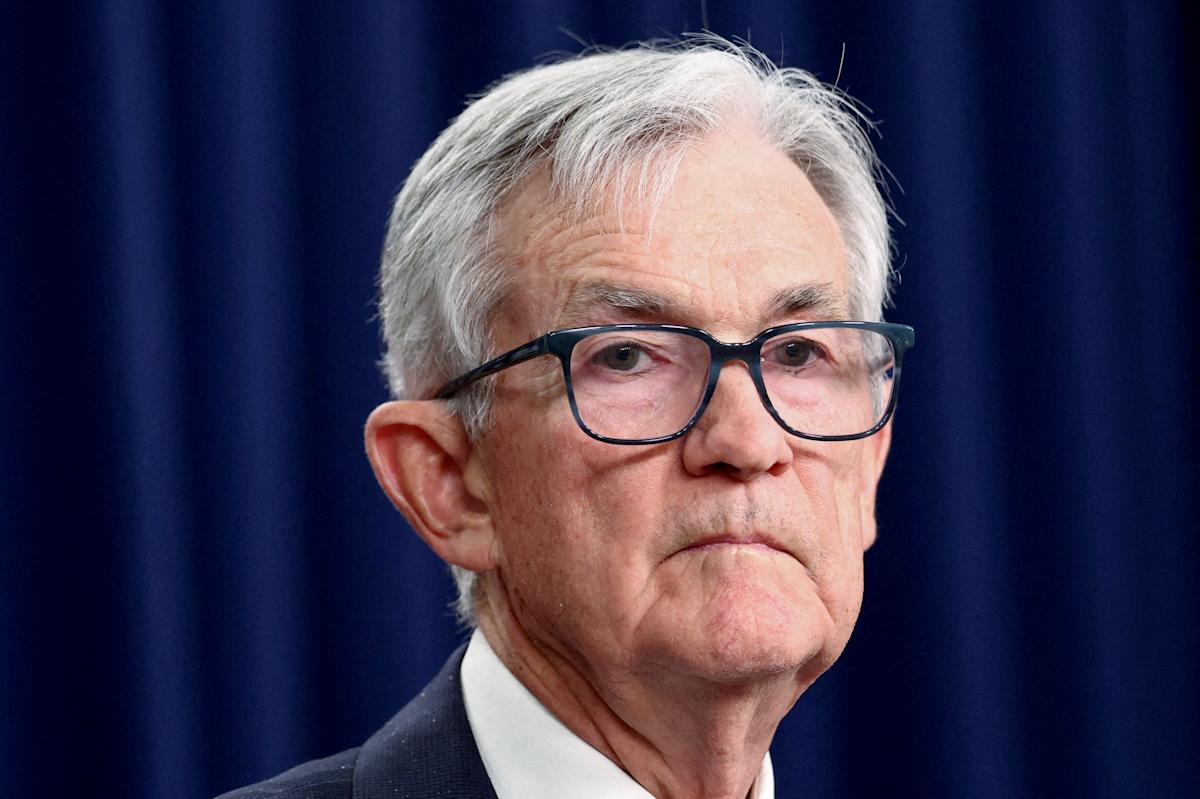
Current data from the CME indicates that investors now gauge a 20% chance of the Fed raising rates by the time of the September meeting, in stark contrast to a month ago when there was over a 90% probability of at least one cut by September. Comments from Fed Chair Jerome Powell after the recent Fed meeting leaned hawkish, with Governor Christopher Waller expressing genuine concern about rising oil prices.
Bhave suggested that the market is adjusting its expectations regarding the Federal Reserve’s response, predicting a more hawkish approach and possibly a broader impact on commodity prices. Additionally, bettors on Polymarket are pricing a 40% chance of no rate cuts by 2026 and a 25% likelihood of a rate hike later this year.
The uptick in yields serves as a key indicator of market stress, as Nigel Green, CEO of deVere Group, highlighted the significant role of three factors: oil prices, equity markets, and Treasury yields, warning that they are sending urgent signals that cannot be overlooked by policymakers.
On the same day, US stocks experienced declines despite Trump further postponing his vowed strikes on Iran’s energy sector. The Nasdaq Composite fell 2.1%, entering correction territory (over 10% below its prior all-time high), while the Dow Jones Industrial Average dipped 1.7% and the S&P 500 saw a 1.7% drop, marking its longest losing streak since 2022. Fundstrat’s Mark Newton suggested that the wider index may continue to face downward pressure unless oil and Treasury yields stabilise or a significant ceasefire is achieved.
Overall, current financial market dynamics reflect heightened concerns over inflation, aggressive rate hike expectations, and their potential impacts across various sectors of the economy. Investors remain watchful as these turbulent conditions unfold.