Oil Prices: Potential Surge Amid Ongoing Conflict in Iran
Strategists at Macquarie Group have issued a stark warning: oil prices could soar to $200 per barrel if the conflict in Iran extends through to the end of June. In a client note shared recently, they highlighted that prolonged hostilities would necessitate a significant rise in prices to "destroy an historically large amount of global oil demand". They project that Brent crude oil prices might need to exceed the $200 mark, potentially driving US gasoline prices to around $7 per gallon.
As of last Friday, Brent crude futures were trading above $103 per barrel, maintaining a near 3% increase for the day, even after President Trump delayed his deadline for targeting Iranian energy infrastructure for the second time. Conversely, US benchmark WTI crude also experienced slight gains, trading above $97 per barrel.
Earlier in this conflict, oil prices had reached levels not seen since the immediate aftermath of Russia’s invasion of Ukraine, reflecting market volatility. Strategists from Macquarie, led by Vikas Dwivedi, have assigned a 40% likelihood to their bullish scenario of $200 per barrel oil, with a more probable outcome being the resolution of the conflict by early April. In this scenario, oil prices would normalise, economic ramifications would be minimal, and global economic growth would only experience a slight slowdown. Should this bullish case materialise, prices would far exceed the historical highs of approximately $147.50 per barrel for Brent recorded in 2008.
While Macquarie presents a concerning outlook, they are not alone in their predictions of escalating oil prices. Saudi Arabian energy authorities have suggested prices might climb to $180 per barrel if the conflict extends beyond late April. Additionally, United Airlines CEO Scott Kirby foresees oil prices reaching $175 per barrel and not retracting to the $100 mark until 2027.
Kirby mentioned that the doubling of jet fuel prices could lead to a staggering additional $11 billion in yearly fuel costs for the airline if these elevated oil prices persist. He expressed cautious optimism, suggesting that while the situation could worsen, there is a chance it might not reach the most dire projections.
The ramifications of these soaring oil prices extend beyond just the energy market. Higher petrol costs inevitably result in increased prices for goods and services, affecting consumer spending and inflation rates. In a landscape where geopolitical tensions and energy infrastructure are at the forefront, the global economy must brace for potential disruptions.
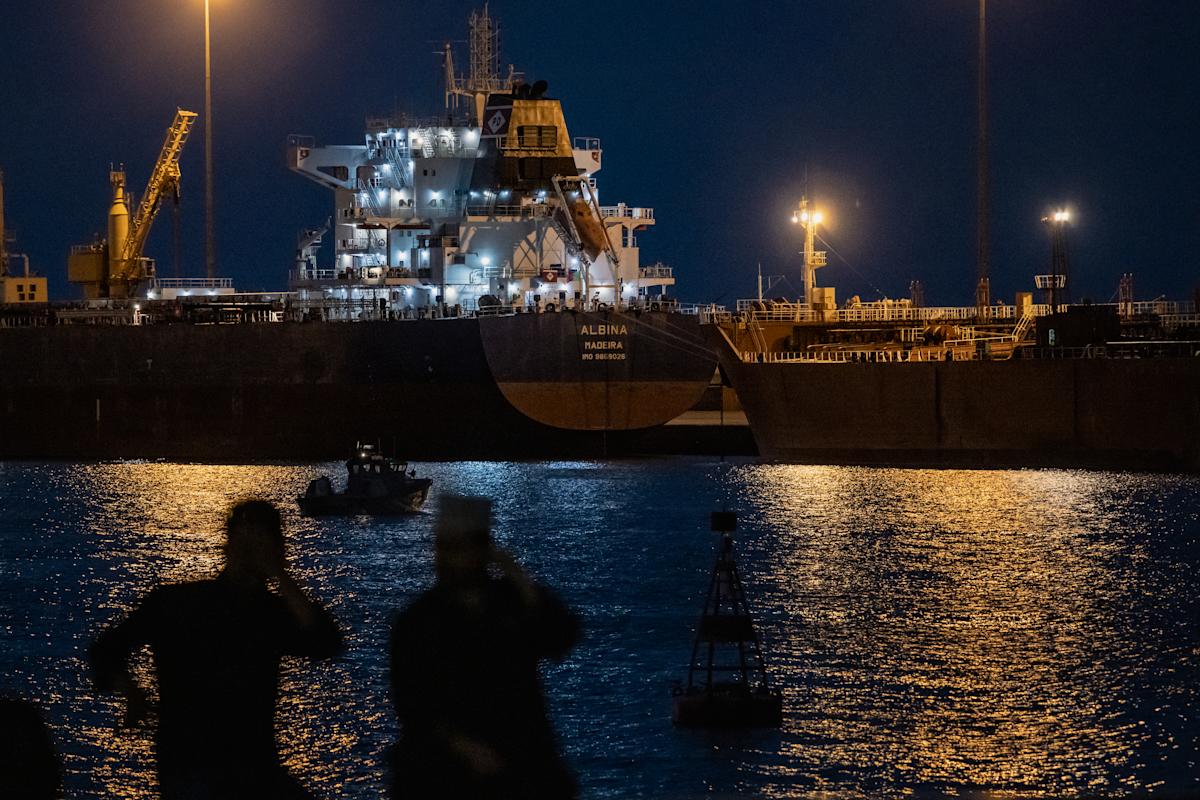
Maritime traffic has already been significantly impacted, particularly through the Strait of Hormuz, which is crucial for the transport of approximately 20% of the world’s oil and gas supplies. Since the onset of the joint US-Israeli operations against Iran beginning on February 28, there have been notable reductions in maritime activities in this strategic passageway.
In summary, the outlook for oil prices remains precarious, heavily dependent upon the dynamics of the ongoing conflict in Iran. Should the situation remain unresolved, we may see unprecedented price levels which could have far-reaching implications across various sectors. As warning signs from industry leaders pile up, both consumers and businesses must prepare for potential financial strain as a result of these heightened oil prices.