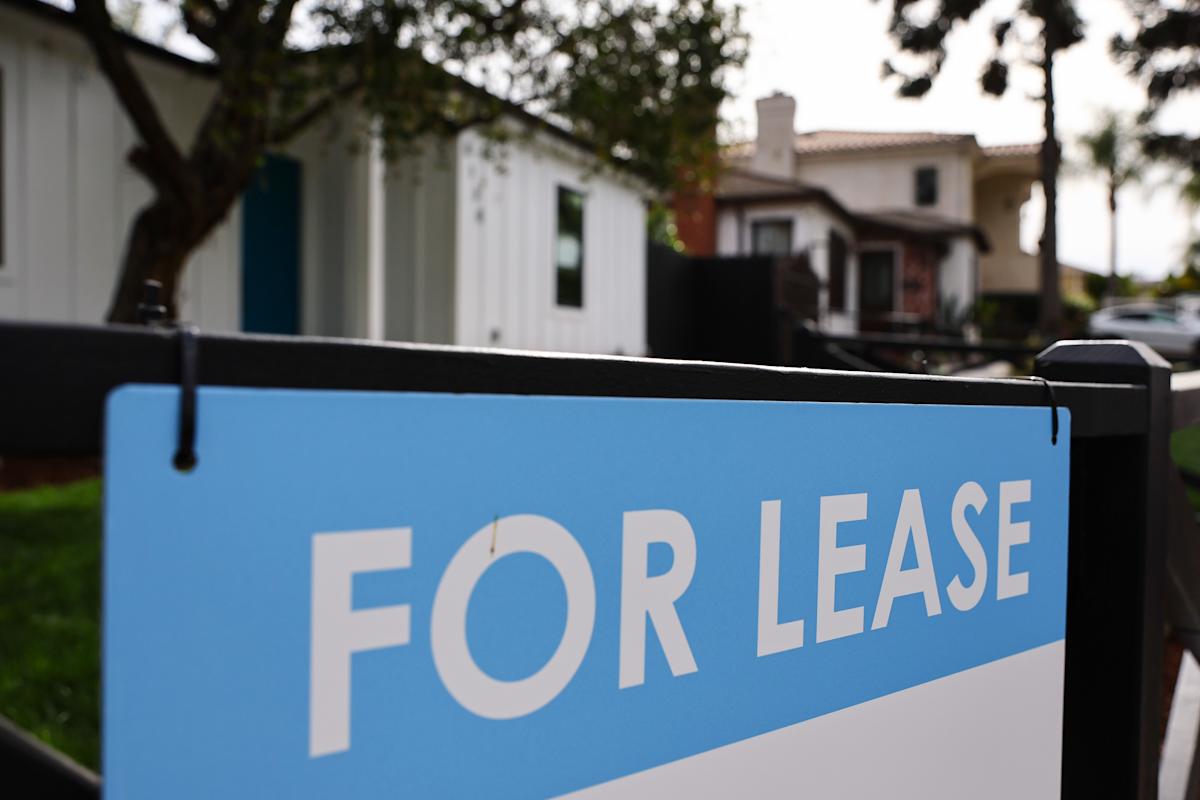
In many parts of Australia, the housing market is currently challenging for sellers. Prospective buyers are increasingly cautious, and property owners are contending with stiff competition from builders offering new homes at attractive mortgage rates. As a result, numerous frustrated homeowners are choosing to rent out their properties instead of selling them, particularly in areas with high housing supply such as Brisbane and Sydney.
Recent data from a prominent real estate platform reveals that approximately 2.1% of sellers opted to convert their homes into rentals in December, a figure that is slightly below the record high of 2.4% recorded in late 2022. This trend towards becoming “accidental landlords” presents a fascinating dynamic, particularly for renters. The surge in single-family rentals, alongside ongoing apartment construction, has contributed to a deceleration in rent increases, which are now at some of the lowest levels witnessed since the onset of the pandemic.
For instance, in suburbs like McKinney, Texas, real estate agents are observing a notable increase in rental listings as stubborn sellers avoid lowering their asking prices to compete with brand-new constructions in the area. Consequently, rental prices are beginning to decline, as renters are now more discerning, opting for properties that meet their needs without settling for subpar options.
Despite the national trend of rising single-family home rents—undoubtedly fueled by ongoing housing shortages—there are signs the rental market is stabilising. For the first time in over a decade, the average rent increase recorded between February 2025 and February 2026 was merely 2.6%, considerably lower than the pre-pandemic average of 4.4%. As Zillow’s senior economist noted, the rental market has shown resilience due to robust demand, which is somewhat counterbalanced by landlords transitioning properties from planned sales to rentals.
Interestingly, many of these accidental landlords are gravitating towards less competitive markets, often as a secondary strategy rather than a first choice. This trend is particularly pronounced in regions where buyer leverage is high, coinciding with active construction sectors. In December, Houston reported the highest incidence of accidental landlords, where more than 4% of homes for sale were turned into rentals. Other cities experiencing elevated rates include Austin, Miami, and Portland.
Conversely, some regions, especially those in high-demand areas on the East Coast or Midwest, have seen fewer accidental landlords. For instance, in Providence, Rhode Island, less than 1% of homes for sale converted to rentals, coinciding with notable rent increases of 6.5% year-on-year.
In cities like Tucson, Arizona, where the market appears balanced, many homeowners with little equity are turning to renting as an alternative to selling at a loss. The rental landscape in Southern Arizona is thriving, supported by a diverse influx of renters, including seasonal visitors and university students. Many landlords find that they can comfortably cover their mortgage costs through rent, allowing them to hold onto their properties until the market improves.
This evolving rental market scenario presents a complex but potentially beneficial situation for both renters and landlords, as it provides more options and could help alleviate some of the pressures from the rising housing costs seen in previous years.
As these trends continue to unfold, how effectively homeowners navigate the dual pathways of renting and selling will significantly influence the dynamics of the housing market in Australia.