Table of Contents
Analysis of the Dietary Trends in Australia
Recent findings from the Australian Bureau of Statistics (ABS) reveal critical insights into dietary habits across various regions in Australia, underscoring a growing concern over the nation’s obesity crisis. With a focus on localised comparisons that allow for a granular look at what Australians are consuming, the data portrays stark contrasts in dietary choices between areas.
Key Findings on Carbohydrate Intake
The data highlights significant variations in carbohydrate consumption across the country. Mount Druitt, located in Sydney’s west, holds the record for the highest carbohydrate intake, averaging 273 grams per day per person. This contrasts sharply with the Richmond Valley–Coastal region, encompassing Byron Bay, where residents consume just 246 grams daily.
Interestingly, carbohydrates remain a contentious topic; while the Australian government recommends a diet that comprises 45-65% of energy from carbs, current statistics show an average intake of only 43.6%. This discord can have implications for public health strategies aimed at reducing obesity levels.
The Saturated Fat Landscape
When analysing fat intake, the ABS provides further eye-opening statistics. The regions with the highest saturated fat consumption include:
| Rank | Region | Saturated Fat (grams) | Omega-3 (milligrams) |
|---|---|---|---|
| 1 | Glenelg – Southern Grampians | 45.8 | 188.4 |
| 2 | Albany | 45.7 | 198.6 |
| 3 | Manjimup | 45.4 | 195.5 |
| 4 | Augusta – Margaret River – Busselton | 45.1 | 225.6 |
| 5 | Wellington | 44.8 | 192.8 |
| 6 | Colac – Corangamite | 44.8 | 182.3 |
| 7 | Warrnambool | 44.8 | 179.5 |
| 8 | Barossa | 44.8 | 199.2 |
| 9 | Nambour | 44.7 | 235.7 |
| 10 | Gympie – Cooloola | 44.7 | 212.7 |
| 11 | Yorke Peninsula | 44.7 | 178.4 |
These areas predominantly represent cool-climate South regions, which may correlate with traditional farming communities. Notably, none of these leading regions are located within the major metropolitan centres, illustrating potential lifestyle and cultural differences in dietary practices.
Concerns and Emerging Dietary Trends
Amid growing awareness of Australia’s expanding obesity crisis, nutrition science continually presents new findings that complicate diet recommendations. For instance, a recent study advocating daily avocado consumption resulted in weight gain among participants. Such studies highlight the complexities of dietary impacts on health.
Discussions surrounding food quality also emerge, with many attributing rising obesity rates to the prevalence of hyper-processed foods and seed oils. This has sparked counter-movements, encouraging diets replete with traditional fats, such as the carnivore diet and other unconventional eating patterns focusing on high-fat consumption.
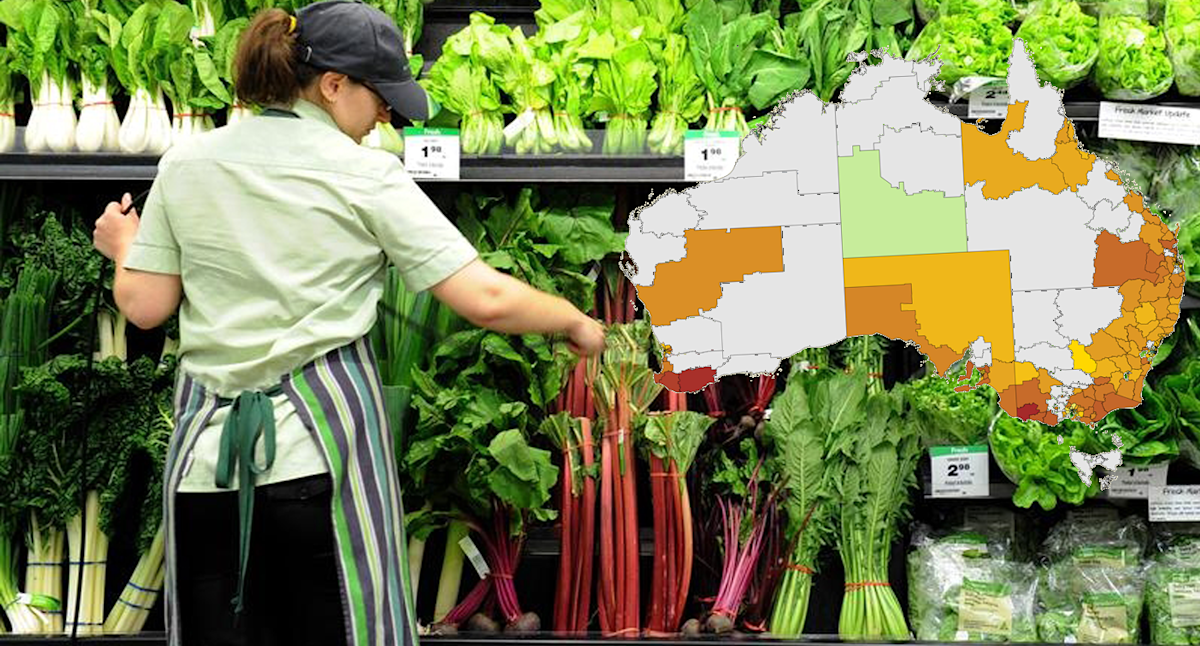
The erosion of vegetable intake is an additional concern, with current data indicating a troubling decline. Areas such as Sunnybank in Queensland record the lowest vegetable consumption among disadvantaged populations, while Manly in Sydney showcases the highest. This discrepancy in vegetable intake could be linked to socioeconomic status and may exacerbate health disparities.
Conclusion
Collectively, ABS data reveals a disconcerting outlook on dietary habits in Australia. The growing trends in obesity may not solely stem from individual choices but reflect broader economic and social factors. As vegetable consumption falters and dietary patterns evolve, the call for more holistic public health initiatives becomes increasingly urgent. The fundamental takeaway—that "we are what we eat"—demands a renewed focus on the quality and accessibility of food across the nation to foster healthier lifestyles and mitigate future health risks.
For more insights into Australia’s current financial health and nutrition, follow publications and reports from reputable sources like Yahoo Finance.