Tensions Mount Over the Strait of Hormuz: Trump’s Ultimatums and Iran’s Resilience
In recent weeks, President Trump has been vocal about his demands for unrestricted shipping through the Strait of Hormuz, which serves as a vital artery for global trade. He has issued threats that if Iran does not comply, the United States will retaliate "quickly and violently." Yet, despite this pressure, Iran has maintained its control over the strait, leading to a dramatic reduction in shipping traffic, which has plummeted to levels significantly lower than before hostilities began.
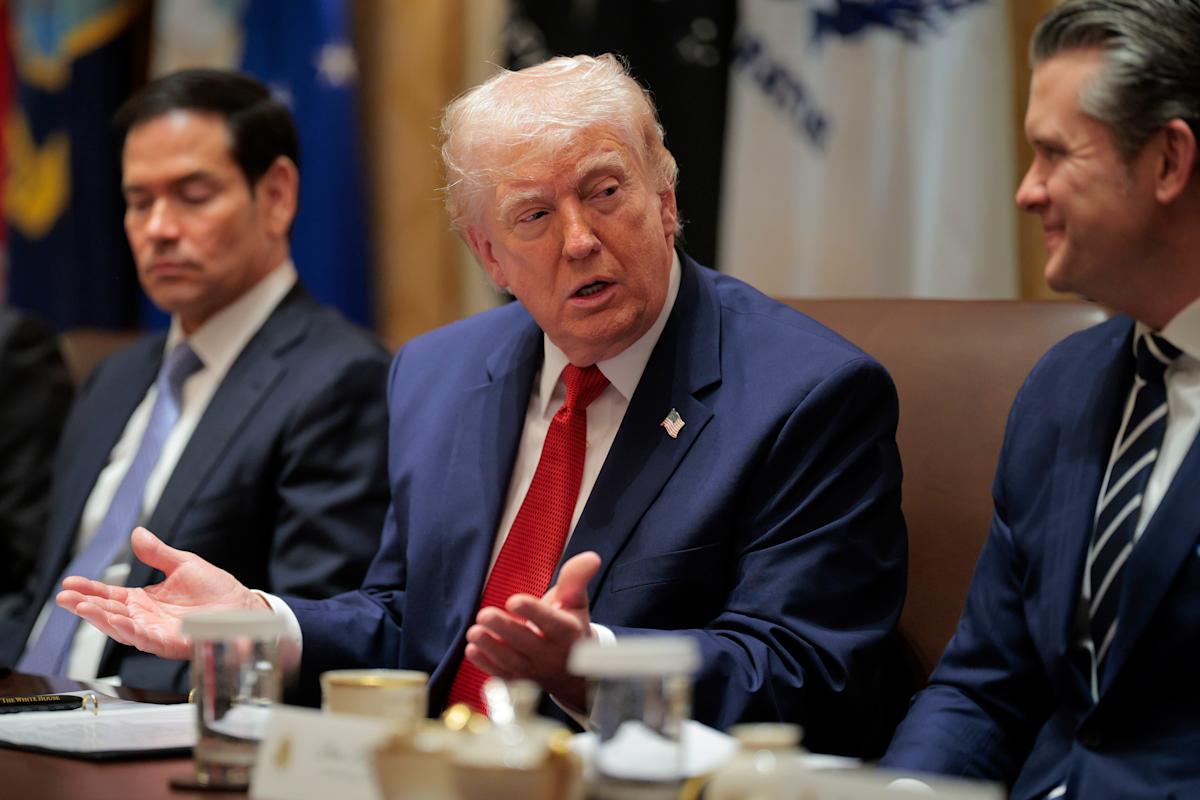
Initially set for a Friday deadline for compliance, Trump has extended Iran’s ultimatum to April 6. This move reportedly allows for potential ceasefire discussions, acknowledging Iran’s firm grip on the critical 21-mile-wide waterway. During a recent Cabinet meeting, Trump even referenced Iran’s attempts to impose passage fees on shipping vessels, stating they "shouldn’t be able to" do so, yet noted their efforts to do just that.
As the ongoing peace talks unfolded, Trump mentioned a promising gesture from Iranian officials, allowing "eight big boats of oil" to pass through the strait, an agreement which they upheld. This acknowledgement hints at a shift in Trump’s harsh rhetoric regarding Iran’s control over the waterway, indicating a possible willingness to enter into negotiations rather than pursue a military solution.
However, Iran’s resilience poses a substantial challenge for the U.S. administration, which is eager to conclude hostilities and stabilise energy markets impacted by what is termed the largest oil shock in memory. If the situation continues unchecked, some analysts, including BlackRock’s CEO, Larry Fink, warn that oil prices could soar to $150 per barrel, potentially triggering a global recession.
Current prices hover around $100 a barrel, with both Brent and U.S. West Texas Intermediate benchmarks seeing a significant rise of approximately 40% since the onset of conflict. The White House is keenly aware that the strait’s closed status is contributing to energy market instability.
Shipping traffic remains severely restricted, with reports from marine tracking services indicating that only vessels pre-approved by Iran are permitted passage. The situation calls to mind the more than 100 vessels that typically transited the strait daily before tensions escalated.
Recent weeks have marked a noteworthy shift in Trump’s strategy regarding the Strait of Hormuz. After weeks of issuing stern warnings, he has hinted at the possibility of relinquishing control of the situation to other nations. However, experts caution against this, highlighting the dire economic ramifications of such a decision.
The diplomatic landscape continues to evolve, with Iran’s state media announcing its policy of allowing passage for "friendly countries" while also exploring ways to impose charges on those ships, suggesting a strategy to leverage their control for economic gain.
Before the war, around 20% of the world’s oil transited through the Strait of Hormuz. Since military actions began on February 28, this vital trade route has faced unprecedented disruption. Trump’s alignment of energy market stability with diplomatic negotiations indicates that economic interests may ultimately be a pivotal factor in the resolution of tensions in the region.
As the situation develops, the key takeaway is that the Strait of Hormuz’s future hinges on diplomatic negotiations, which may restore unobstructed passage if a satisfactory deal is reached.