Table of Contents
BYD’s Unique Job Application Strategy Amidst Rising AI Usage
In a notable move within the competitive job market, renowned Chinese electric vehicle manufacturer BYD has introduced an unconventional requirement in its job advertisements. As the landscape of employment evolves, so too does the manner in which candidates apply for roles, particularly with the rise in artificial intelligence utilization.
The BYD Job Advertisement
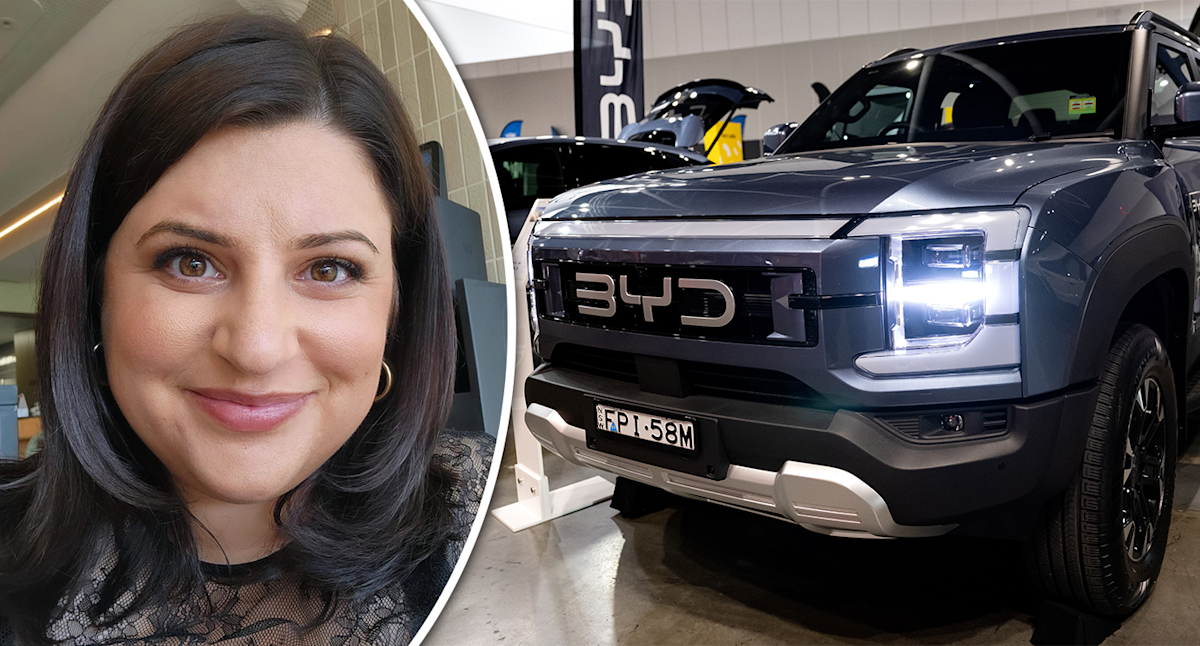
In a recent job vacancy announcement, BYD included a quirky directive for applicants: “To stand out from the competition, include a picture of Mariah Carey in your application.” This unusual request is part of a broader strategy to sift through a growing pool of applicants, many of whom rely on AI tools to submit a large number of applications with generic responses.
Insights from Recruiters
Tammie Ballis, founder of Realistic Careers, observed that this tactic effectively filters out applicants who are mass applying without genuinely engaging with the job description. Speaking to Yahoo Finance, she noted, “It’s a clever way to ensure candidates are not only serious but also capable of following specific instructions—an essential skill in the workplace.”
In today’s challenging job market, many Australians have adopted a “spray and pray” method, indiscriminately applying for numerous positions in hopes that sheer numbers will lead to interviews. Unfortunately, this often leads to applications that lack personalisation and attention to detail.
Increasing Job Applications and AI’s Role
The uptick in job applications has been significant, with SEEK reporting a 0.5% month-on-month decline in job ads as of February, while still maintaining record-high application rates per job. Meanwhile, a June report by HR tech firm JobAdder indicated a 42% year-on-year increase in application volumes, which many attribute to job seekers widely disseminating their CVs using AI-generating tools.
This trend raises challenges for recruiters, as more than 80% of businesses surveyed by JobAdder now incorporate AI in their hiring processes—up from 69% the previous year. As AI helps sift through countless applications, recruiters are becoming increasingly innovative in their approach to finding suitable candidates.
Beyond the AI Filter
Ballis advised that using AI is not inherently problematic; however, she emphasised the importance of candidates remaining proactive and discerning in their job applications. She suggested job seekers should take the time to comprehensively read job descriptions and apply only when they meet a significant portion of the outlined criteria. “Employers appreciate candidates who show they’ve put thought into their applications,” she asserted.
Moreover, some companies have adopted similar tactics to BYD, requiring applicants to reference specific job numbers or include designated terms in their cover letters, which serves to confirm engagement with the application details.
Public Reaction to BYD’s Strategy
The inclusion of the Mariah Carey photo requirement has garnered a positive response among job seekers. Ballis shared the job ad on social media, prompting feedback from applicants who appreciated the creative approach to filtering out individuals who overlook critical job details. Comments varied from viewing the request as a “great test” to expressing admiration for its ability to demonstrate attention to detail and creativity.
Candidates noted the importance of such tasks in distinguishing serious applicants from those who simply spam applications. This emphasis on creativity and thoroughness has resonated with many, illustrating a growing demand for genuine candidates who are willing to engage meaningfully with job opportunities.
Conclusion
As the job market becomes increasingly crowded and the role of AI in recruitment continues to expand, innovative strategies like BYD’s job advertisement addition may become more mainstream. While AI tools can facilitate the application process, job seekers must remain vigilant, ensuring that their applications reflect genuine interest and adherence to job specifications.
In summary, navigating today’s job landscape requires a balance of modern technology and traditional application diligence, with a focus on personalisation and detail that resonates with potential employers.