Cautious Optimism Required Amidst Rising Oil Prices
As stock market investors navigate current conditions, caution is urged given the historical link between oil price shocks and economic downturns. Peter Berezin, chief global strategist at BCA Research, notes that every U.S. recession—except the COVID-19 pandemic—was preceded by a significant increase in oil prices.
In his recent analysis, Berezin highlighted a worrying convergence of economic vulnerabilities reminiscent of previous recessions. These include escalating oil prices, an unsustainable surge in technology sector capital expenditure, inflated equity valuations, soaring housing prices, and emerging pressures within private credit and other financial sectors. While he observes that stocks appear somewhat oversold in the immediate term, he expects them to finish the year below their current values.
A recent chart illustrates the historical correlation between rising oil prices and economic recessions dating back to 1970, emphasising the importance of oil market fluctuations on overall economic health.
Escalating Oil Prices and Their Impact
Since the onset of Operation Epic Fury on 28 February, global oil prices have seen their most aggressive rise since the 1970s. This conflict effectively closed the Strait of Hormuz, a crucial conduit for 20% of the world’s daily oil supply, which contributed to a sharp "war premium" in oil pricing.
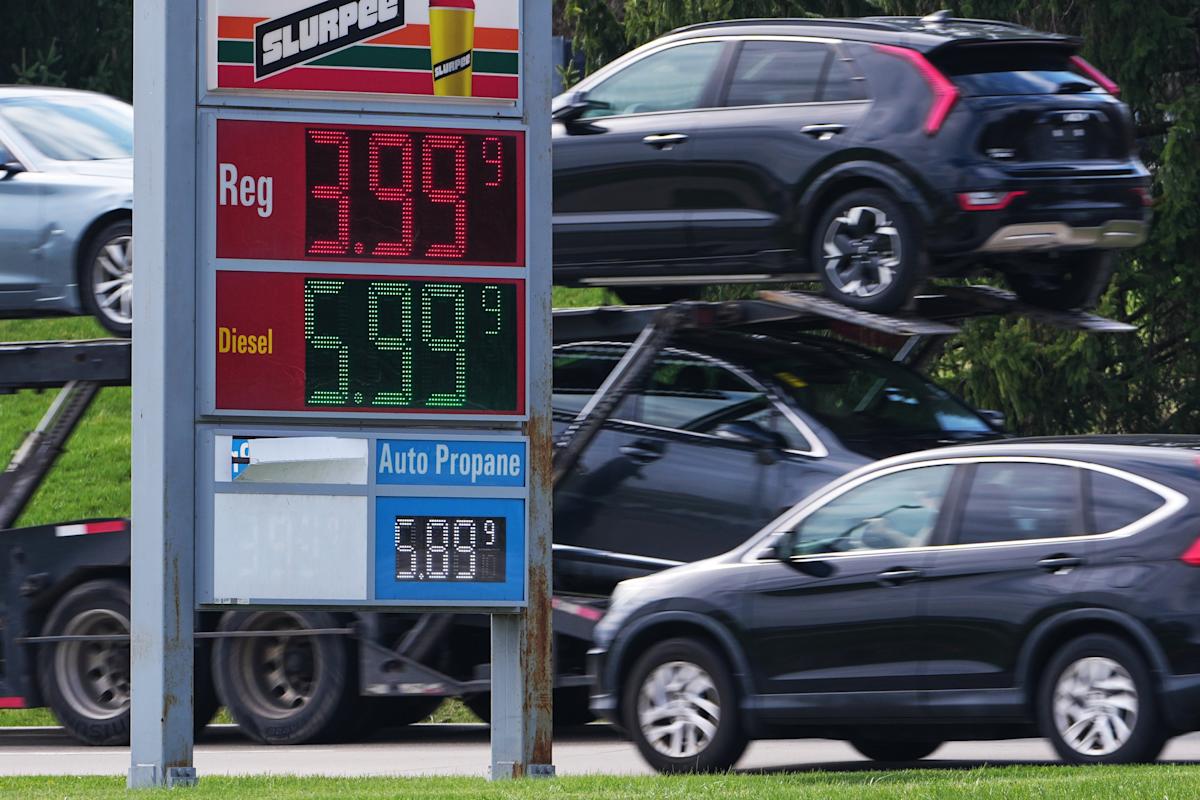
Currently, Brent crude oil prices have surged 45%, exceeding $100 per barrel, with Citigroup suggesting a potential spike to $150 per barrel. In tandem, U.S. gas prices average $4 per gallon, exerting additional financial strain on consumers. Gary Cohn, a former Trump administration economic advisor, noted that such increases are immediately felt by consumers, as they directly impact disposable income.
Consumer Sentiment Takes a Hit
As the economy faces challenges, new data indicates a dip in consumer sentiment. The University of Michigan’s preliminary consumer sentiment index declined to 55.5 in March, marking its lowest point for 2026. Data collected post-military actions against Iran has negated previous optimism amongst consumers.
Notably, expectations regarding personal finances have decreased across the board, irrespective of income or political affiliation, suggesting a widespread concern about financial stability. Additionally, early indicators from March’s flash PMI manufacturing surveys suggest significant slowdowns in economic activity.
Upcoming employment figures are also anticipated to reveal sluggish job growth, with experts predicting only 65,000 jobs created in March—a stark contrast to the hoped-for positive numbers.
Stock Market Across the Board Declines
As of late March, major indices including the S&P 500, Nasdaq Composite, and Dow Jones Industrial Average have all entered correction territory, each down at least 10% from their recent peaks. This decline was initiated by the Nasdaq’s downturn on 28 March. Economically sensitive sectors, particularly restaurant chains like McDonald’s, have suffered, reflecting decreased customer footfalls due to rising living costs.
According to Bernstein analyst Danilo Gargiulo, data from early March hinted at growing pressures on low-income consumers, who spend a disproportionate amount on fuel relative to their income. As these costs rise, consumer habits are shifting, with less disposable income leading to reduced spending in other areas.
In conclusion, as the economic landscape shifts under the weight of soaring oil prices, stock market participants would be wise to adopt a more cautious approach. Historical patterns suggest that significant oil price increases can herald economic troubles, and current signs point towards a period of uncertainty for both consumers and investors alike.
For further insights on the latest trends in the stock market and business developments, stay tuned for updates from reputable financial news sources.