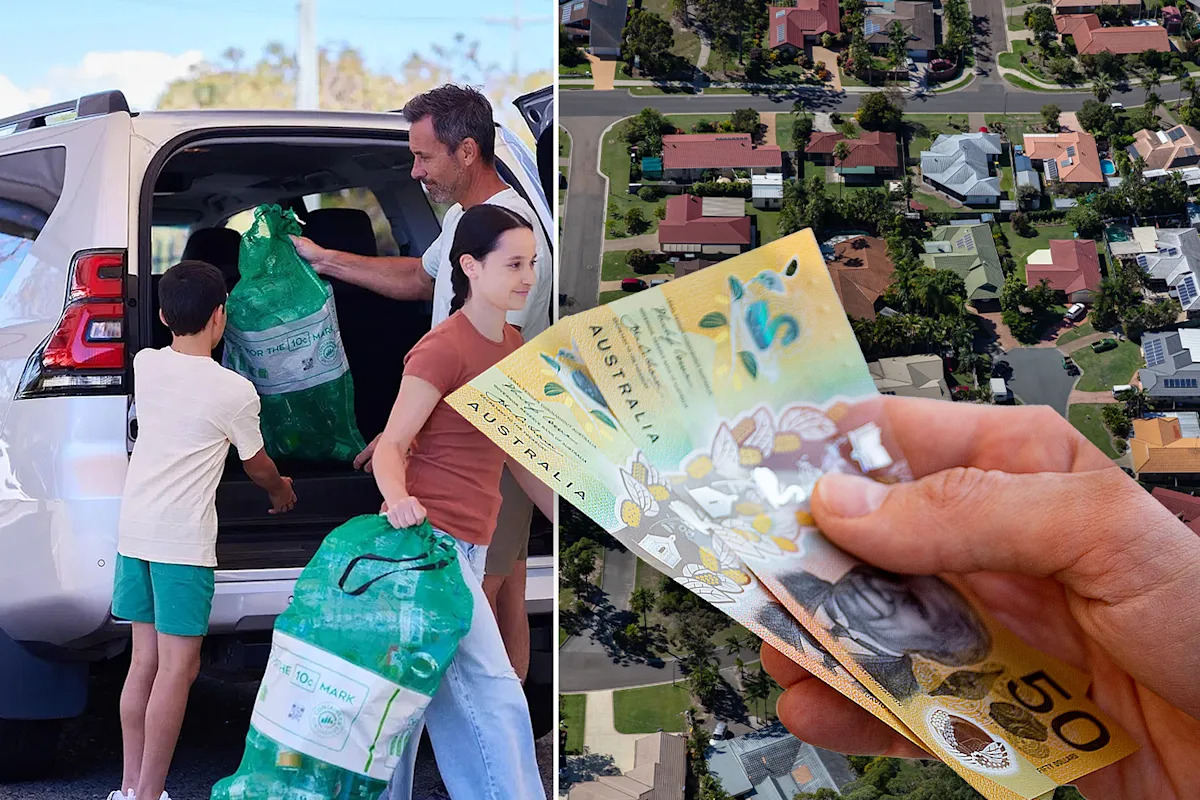
Calls for Doubling Recycling Refund in Australia
As pressures rise, advocates are urging Australian governments to implement a modest yet significant reform in the recycling sector. Industry experts assert that increasing the container refund from 10 cents to 20 cents could enhance recycling rates and provide financial relief for everyday Australians.
Currently, Australia’s container deposit system has a return rate of only 68%, a stark contrast to European nations like Germany and Slovakia, which see recycling rates above 90%. Activists believe that appending 10 cents to the refund could lead to an additional 2.8 billion containers being recycled annually.
Industry Expert Insights
In a conversation with Robert Kelman, the Director at Reloop Pacific, Yahoo News Australia delved into the myriad benefits of such a proposal, both for the public and the environment. Kelman highlights the massive potential impact of elevating the refund value, which might see return rates climb significantly.
He described the current state, noting that about 12 billion drink containers are processed under these schemes yearly, and approximately 4.23 billion of these end up in landfills. An increase to 20 cents could propel the return rate to 90%, mirroring the success of other countries and significantly aiding environmental protection.
Social and Economic Benefits
Research by the strategy group Redbridge indicates that a substantial 65% of respondents believe a 20-cent refund would alleviate financial pressures, with even higher support (91%) among those in financial distress. Additionally, this increase could unlock new funding avenues for local charities, community groups, and sports clubs.
Considering climate implications, recycling a further 2.8 billion containers has the potential to mitigate greenhouse gas emissions akin to removing 218,000 vehicles from the roads each year.
Jeff Angel from Boomerang Alliance emphasises that this initiative would not financially burden consumers, as the refund serves as a motivator for recycling rather than an additional expense.
Broader Implications for Recycling
Beyond just greenhouse accounting, the proposed change could substantially decrease litter and landfill accumulation, ultimately fostering a more robust circular economy. Kelman stressed that Australia could become a global frontrunner in responsible resource management through the adoption of this initiative.
The timeframe for implementing these changes hinges on collaborations between state and territory governments, with hopes that one state may spearhead the reform and encourage others to follow suit. The ’20 Cents Makes Sense’ campaign, endorsed by environmentalists and recycling sector leaders, is ready to collaborate with authorities to expedite necessary reforms.
The campaign aims to achieve two primary goals: first, to escalate the refund to 20 cents across all platforms, and second, to link future refunds to inflation, preserving their value over time. Kelman referenced international examples, particularly Connecticut, where a similar increase saw a 50% rise in return rates.
Public opinion is strongly in favour: surveys reveal that 85% of adults support the 20-cent refund, and 84% would recycle more frequently should the incentive be increased.
Concluding Thoughts
The proposal represents a promising avenue towards improving Australia’s recycling landscape, with substantial benefits awaiting both the environment and citizens’ wallets. Reforming the container deposit system could elevate recycling efforts, reduce waste, and set Australia on a path to global leadership in sustainable resource management. The community’s strong backing adds further momentum to the push for change.