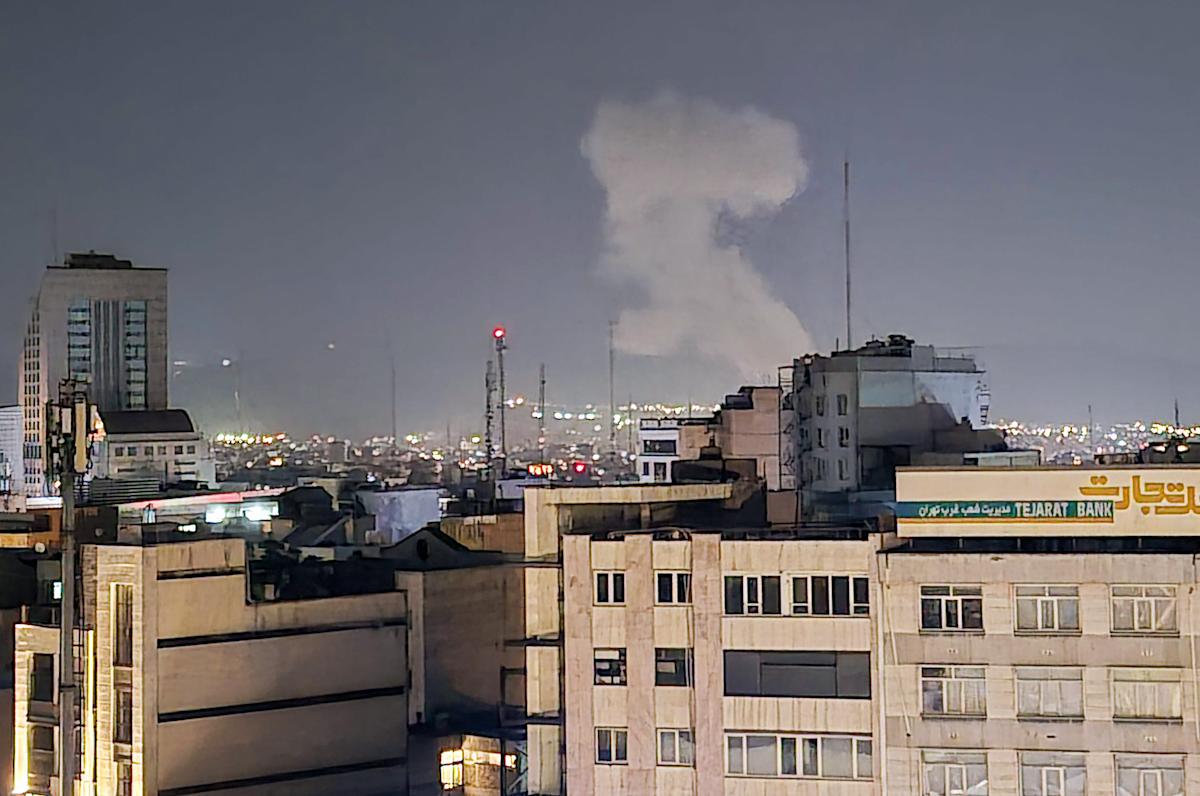
Oil Prices Dive as Iran Signals Willingness to Negotiate
Oil prices saw a significant drop on Tuesday afternoon, influenced by indications that the Iranian leadership may be open to talks aimed at resolving the ongoing conflict, marking the first such overture since hostilities began.
In statements initially reported by state media, Iranian President Masoud Pezeshkian conveyed to EU Council President António Costa Iran’s "necessary will to end this war," albeit conditioned on certain guarantees. He emphasised that any resolution must ensure the security and interests of the Iranian populace, as shared by the national news agency IRNA.
Market reaction to these comments was immediate, with futures for Brent crude, which serves as the global benchmark, falling over 2.9% to $104 per barrel. Similarly, US benchmark West Texas Intermediate crude dropped by as much as 2%, settling at approximately $101 per barrel after recovering some losses.
Market Movement in Response to Political Developments
US stock markets responded positively to the developments. The S&P 500 recorded a gain of roughly 2.4%, while the Dow Jones Industrial Average rose by 2%, translating to an increase of more than 900 points. The Nasdaq Composite showed the most substantial growth with a rise of 3.2% as of Tuesday afternoon.
The fluctuation in oil prices and US stock indices over the past fortnight can be attributed to various statements from President Trump and officials from the White House, alongside comments from Iranian leaders, which have suggested both potential pathways to peace and escalating tensions.
According to Al Jazeera, Foreign Minister Abbas Araghchi clarified that what is unfolding currently should not be seen as negotiations but rather as an exchange of messages through regional intermediaries.
Iran has previously laid out demands for any cessation of hostilities, including assertions of sovereignty over the Strait of Hormuz, where it has reportedly begun imposing tolls for safe navigation, along with other reparations.
US Secretary of State Marco Rubio condemned these tolls as "unacceptable" and "dangerous to the world" at a G7 meeting in France. Meanwhile, President Trump has consistently alluded to the possibility of forcibly reopening the strait, though he appeared to soften his stance recently, indicating a desire to scale back military aggression. In a post on Truth Social, Trump stated, "Iran has been, essentially, decimated. The hard part is done."
Trump further expressed confidence in his view that the conflict would conclude soon, asserting to the New York Post that the war "won’t last much longer" and that the strait would reopen "automatically" after a US military withdrawal.
Overall, developments in Iran and their potential impacts on global oil markets and equities have become a focal point for investors, as sentiments shift between the prospects of negotiation and the risk of continued conflict.