Table of Contents
Airlines Face Challenges Amid Soaring Jet Fuel Costs Due to Iran Conflict
Airlines are grappling with rising jet fuel prices, reaching multiyear highs, as the situation in Iran escalates. This predicament is forcing carriers to reevaluate their pricing strategies, creating a divide in the industry, according to Morgan Stanley analyst Ravi Shanker.
Divergent Paths in the Airline Sector
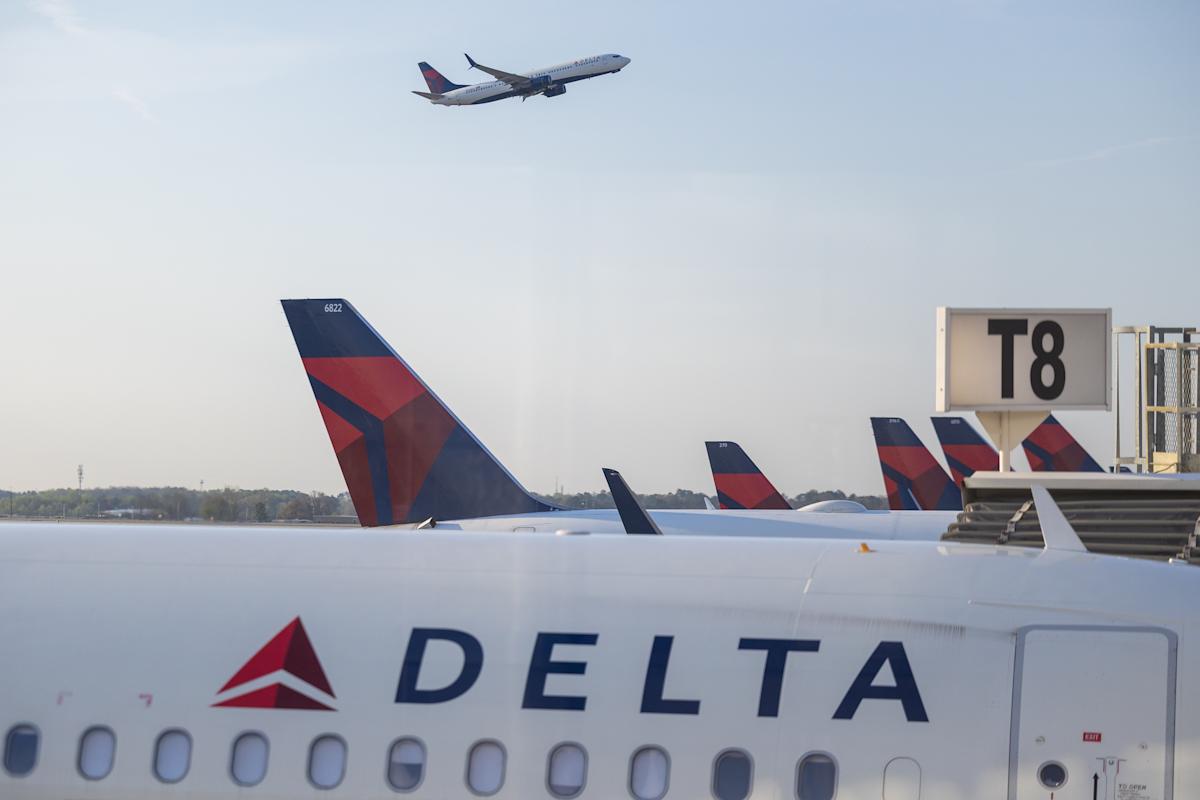
While major airlines like Delta Air Lines (DAL) and United Airlines (UAL) have successfully raised fares without significant customer loss, others are struggling. Delta recently increased its revenue forecasts for the first quarter, anticipating stable earnings as its affluent customers absorb the rising costs. Delta’s ownership of the Monroe Energy refinery in Pennsylvania allows it not only to produce its own jet fuel but also to derive profits from refining. This unique position provides the airline with a substantial hedge against volatile fuel prices, a luxury not available to many other carriers that solely rely on third-party fuel suppliers.
Alaska Air’s Cost Challenges
In contrast, Alaska Air Group (ALK) faces mounting pressures due to West Coast refinery margins, which are typically higher than those in other regions of the U.S. To mitigate these soaring prices, Alaska has implemented a "tanker" strategy, sourcing cheaper fuel in Singapore and shipping it back to the Pacific Northwest. Despite experiencing a spike in Singapore prices since February, Alaska’s costs remain lower than sourcing domestically.
Analyst Savanthi Syth from Raymond James warned that airlines with weak balance sheets or ambitious growth plans must act quickly to avoid "margin compression." For example, Alaska’s stock fell approximately 6% after revealing a wider-than-expected loss for the quarter, attributing this to a staggering 400% increase in refining margin costs for their Singapore-sourced fuel since February, contrasted with a 140% rise in U.S. refining costs in the same timeframe.
Price Adjustments and Market Responses
While airlines that cater to higher-end customers have implemented substantial fare increases—United raised prices by 81% and Alaska by 48%—budget airlines like Spirit Airlines have responded by slashing prices by 27% to attract cost-conscious travellers. Deutsche Bank analyst Michael Linenberg posited that significant portions of the market might soon hit a price hike ceiling.
Capacity Cuts as a Signal of Trouble
As soaring fuel prices take a toll, some airlines are reducing operational capacity rather than expanding. Alaska, Delta, and Southwest have already cut back on domestic flights, an unexpected move from carriers previously projected to grow. This shift suggests a defensive strategy among carriers as they confront the economic implications of rising costs.
Further capacity reductions are anticipated; Spirit plans scheduled cuts starting in May, and United aims to eliminate 5% of its unprofitable routes while looking towards red-eye flights for operational efficiency.
Economist Joe Brusuelas forecasted that business travel costs could escalate by 15% to 20% shortly, cautioning against potential "demand destruction" if prices continue to rise. He noted that growing operational challenges, such as long airport security lines, could exacerbate this situation.
Navigating a Challenging Landscape
As the initial surge in summer trip bookings dissipates, airlines are confronted with a pressing decision: accept reduced profit margins, initiate layoffs, or continue to transfer costs to consumers who may be reaching their financial limits. The ongoing conflict and resultant fuel price volatility signal that the airline industry is entering a decisive and challenging phase, necessitating adaptive strategies to thrive amidst uncertainty.
In summary, while some airlines are managing to leverage their resources effectively, the broader industry faces significant challenges as they navigate soaring fuel costs and changing market dynamics. The coming months will be critical in shaping the future landscape of air travel and its economic repercussions.