Consumer Confidence Improves but Remains Wary Amid Price Concerns
In a surprising turn of events, consumer confidence in the U.S. climbed in March, as indicated by the latest Consumer Confidence Index from The Conference Board. The index registered at 91.8, improving from 91.0 in February and surpassing Wall Street’s predictions of 87.9. Despite this rise, the overall sentiment remains near its lowest levels in ten years, signalling lingering apprehensions among American households.
Chief economist Dana Peterson attributed the uptick to a modest improvement in consumers’ perceptions of current conditions, even as future expectations dipped slightly. This nuanced response highlights the complexities of consumer sentiment amid fluctuating economic conditions.
Inflation expectations surged in March, jumping to over 6% for prices anticipated over the next year, a peak not seen in seven months. The report attributed this uptick partly to disruptions caused by the ongoing conflict in Iran, leading consumers to recall similar anxieties experienced during tariff announcements in August 2025.
Additionally, there has been a notable shift in consumer beliefs regarding interest rates, with the proportion expecting increases over the next twelve months rising dramatically from 34.9% to 42.4%. In contrast, outlooks for stock prices diminished significantly, reflecting the broader economic uncertainties and rising inflation risks.
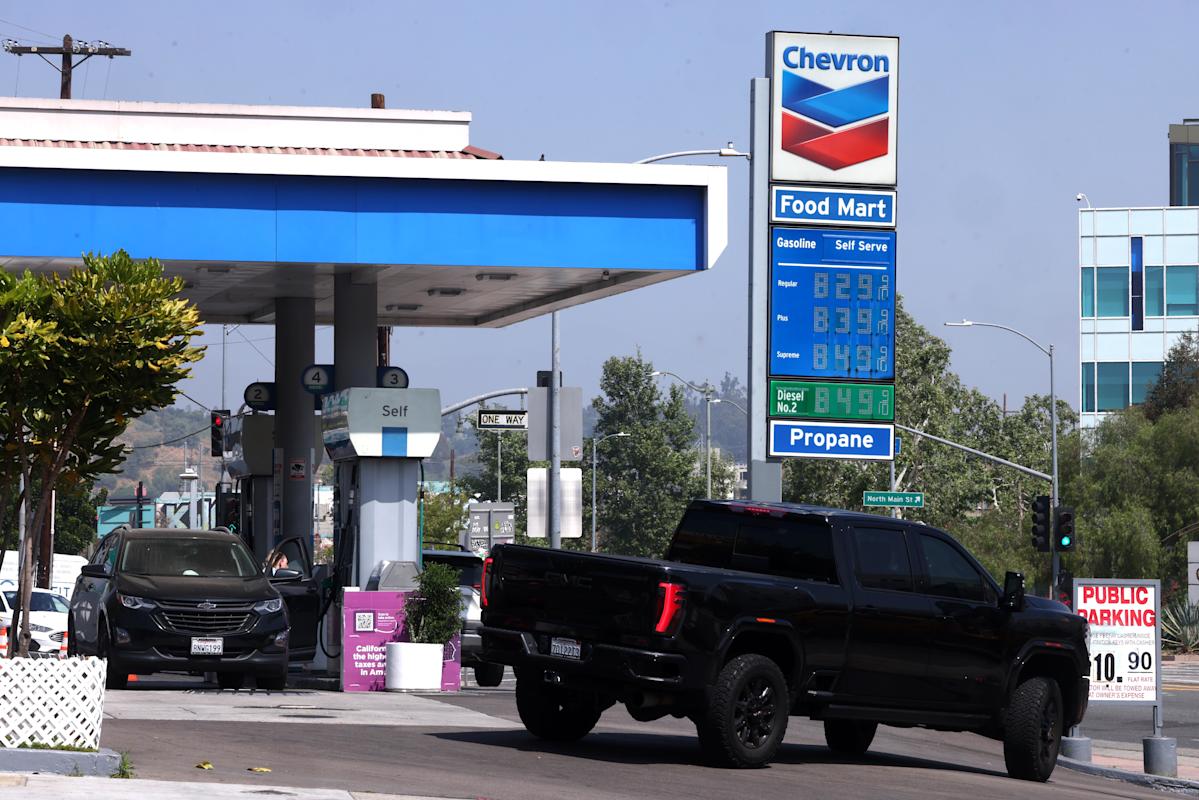
March also marked one of the largest monthly jumps in gasoline prices on record, with average prices at the pump soaring from $2.83 to over $4, as reported by AAA. This escalation in fuel prices contributes to the inflationary pressures affecting households.
In contrast to The Conference Board’s findings, a separate survey from the University of Michigan revealed that consumer sentiment dropped to its lowest point since December, following a period of increased optimism earlier in the year. Joanne Hsu, the survey’s director, noted that the sudden decline was particularly surprising given the positive trends observed since last summer.
Experts suggest that consumers are responding not only to geopolitical tensions but also to the overall economy’s performance. Should gas prices stabilise and inflation remain contained, there may be a path for consumer sentiment to recover.
In summary, while consumer confidence has edged upwards, significant economic headwinds persist, particularly around inflation and rising prices, casting a shadow over future optimism. Analysts will be closely monitoring these trends to gauge their impact on broader economic activity and consumer spending behaviours.