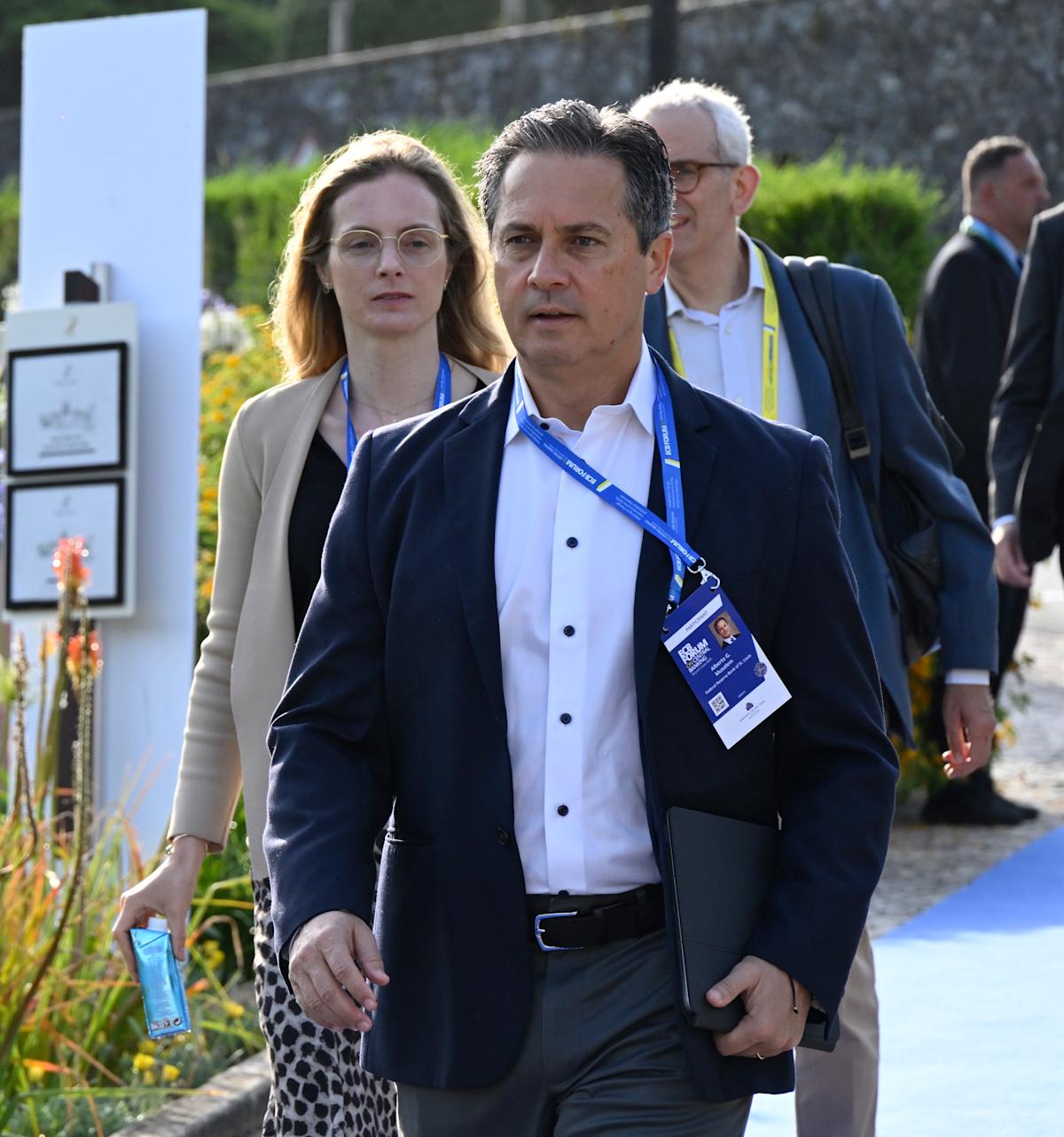
St. Louis Fed’s Alberto Musalem on Inflation and Interest Rates
In a recent address at the American Enterprise Institute in Washington, D.C., St. Louis Federal Reserve President Alberto Musalem shared insights about rising oil prices and their potential impact on inflation and monetary policy. Musalem emphasised the importance of not dismissing the effects of negative supply shocks, stating that while it’s common to consider these shocks as temporary, caution is advised when inflation remains consistently above target levels.
He acknowledged the current oil price shock is distinct from that of the 1970s, yet noted a heightened public sensitivity to inflation today. Musalem suggested that the public’s response to rising prices might lead to longer-lasting effects on inflation expectations. Identifying the root causes of current inflation—whether they stem from temporary price adjustments or strong demand pressures—remains a complex challenge.
Expectations for Persistent Inflation
Initially, Musalem anticipated that inflation would start to decline in the latter part of the year as tariffs began to wear off. However, he has revised his outlook due to geopolitical factors, foreseeing an elevated risk of sustained inflation above target levels through 2026. He mentioned that the recent surge in energy prices is expected to exert upward pressure on overall inflation, with some effects filtering through to core inflation metrics.
In his remarks, Musalem highlighted a March business survey indicating that companies were passing on increased energy costs to consumers, resulting in the most significant rise in selling prices since August 2022. Furthermore, he pointed out that core inflation—particularly in services excluding housing—exhibits persistent stickiness. He noted that rising prices for core goods, influenced by tariffs, have contributed to what he described as "sustained inflation."
Risk to Employment and Economic Stability
Examining the job market, Musalem expressed concerns about potential downside risks. Although the unemployment rate appears relatively stable, he observed that payroll growth has slowed in recent months, particularly as companies become more hesitant to hire in light of escalating geopolitical tensions. He warned that a rise in layoffs amidst already low hiring rates could lead to a sharp increase in unemployment.
Despite these risks, Musalem maintained that the Fed’s benchmark interest rate, adjusted for inflation, is currently positioned within a neutral range—neither stimulating nor impeding economic growth. He deemed the current policy setting suitable for the prevailing economic conditions.
Looking forward, Musalem remains optimistic about advancements in technology, such as artificial intelligence (AI), potentially enhancing productivity and easing inflationary pressures. However, he cautioned against making monetary policy decisions based solely on projections of future productivity gains, given the current inflationary environment.
Throughout his address, Musalem underscored the importance of balancing the dual objectives of the Fed—maximising employment while maintaining inflation at an acceptable level—and indicated a preference for holding interest rates steady for the foreseeable future.