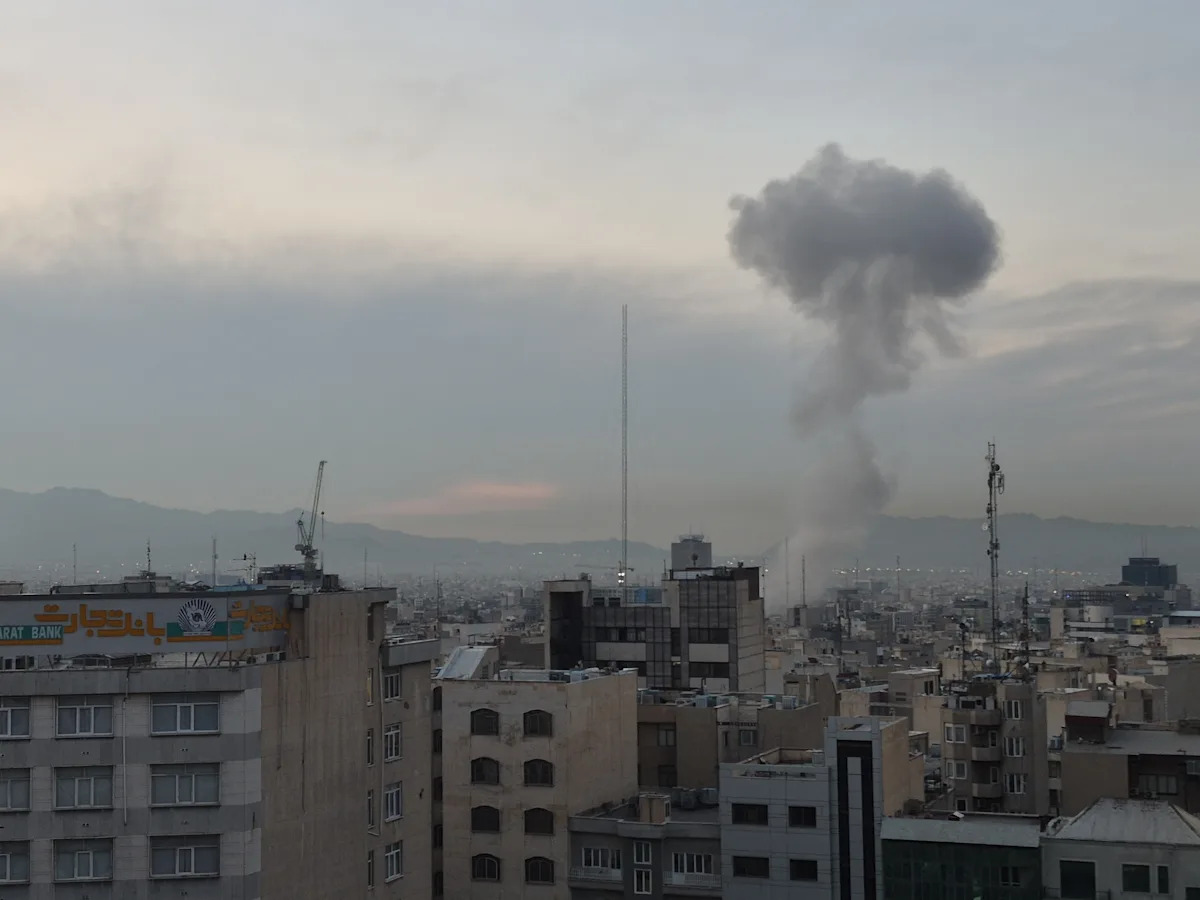
Five weeks into a significant air offensive by the US and Israel against Iran, a conflict referred to as the “third Gulf war” has escalated alarmingly. In this period, Iran’s political landscape has been dramatically altered, marked by the death of Supreme Leader Ali Khamenei, who had ruled for nearly four decades.
The offensive’s impact has extended across the Persian Gulf, resulting in damage to critical infrastructure such as liquid natural gas (LNG) export terminals, energy facilities, and airports. Notably, the closure of the Strait of Hormuz, a crucial global energy passage, has raised concerns about energy supply continuity.
The conflict has severely influenced global energy markets, with oil prices surging over 50% recently. Prices for refined products like diesel and jet fuel have seen even steeper rises, causing equity markets to reflect negative trends as investors face escalating risks associated with the ongoing conflict. Analyst Daniela Hathorn from Capital.com remarked that markets are now reacting to the possibility of further escalation rather than the prospect of de-escalation, predicting continued volatility until credible solutions arise.
In Iran, the Revolutionary Guard Corps, an elite paramilitary force, appears to have solidified control, while political figures like President Masoud Pezeshkian and Foreign Minister Abbas Araghchi have expressed a readiness to negotiate, though this sentiment is countered by parliamentary speaker Mohammad Bagher Ghalibaf who insists no discussions with the US or Israel are taking place.
Furthermore, the US military has intensified its operations, targeting significant infrastructure such as a major bridge connecting Tehran to Karaj and various military installations. President Trump has publicly discussed these actions, asserting that the US aims to significantly diminish Iran’s capabilities.
Iran, in retaliation, has targeted shipping and critical commodity export systems across the Gulf, endangering global trade networks for oil, metals, and other essential products. The Ras Laffan LNG export terminal in Qatar, the largest in the world, has reported substantial operational disruptions, with potential long-term impacts on global LNG supplies projected by operator QatarEnergy.
In an assessment by Rystad Energy, the repair costs for damaged Gulf infrastructure were estimated to reach around $25 billion, underscoring the extensive economic implications of the conflict. It is projected that while some facilities may resume operations within months, others will be offline for years, hampering recovery efforts.
The situation is further complicated by regional actors, notably the Yemen-based Houthis, who declared their involvement in the conflict, raising the stakes by threatening Saudi Arabia’s substantial oil exports via the Red Sea.
Market experts have expressed concern about the unprecedented nature of the current upheaval, with BP’s chief economist, Gareth Ramsay, highlighting the unique scale of disruption this conflict presents compared to past events.
As the situation evolves, markets remain increasingly uncertain about the future trajectory of the war and its wider economic ramifications. Oil prices reacted sharply to recent statements from Trump regarding potential military strategies, reflecting pervasive anxieties about the conflict’s direction.
Despite Trump’s hints of a potential reduction in US engagement, he simultaneously expressed confidence in re-opening the Strait of Hormuz and optimally leveraging its oil resources, creating a complicated narrative for investors.
Strategists cautioned that even if a resolution were to occur imminently, the damage and fears instilled in the market would persist for an extended period, complicating recovery efforts. The logistics of securing oil shipments, as articulated by Interactive Brokers’ chief strategist, Steve Sosnick, emphasised the complexities associated with war compared to traditional trade negotiations.
As the conflict continues to unfold, the focus remains on the economic repercussions, with stakeholders acutely aware of the precarious balance between military action and market stability.
This evolving narrative will continue to shape global financial markets, with lasting implications well beyond the immediate conflict.