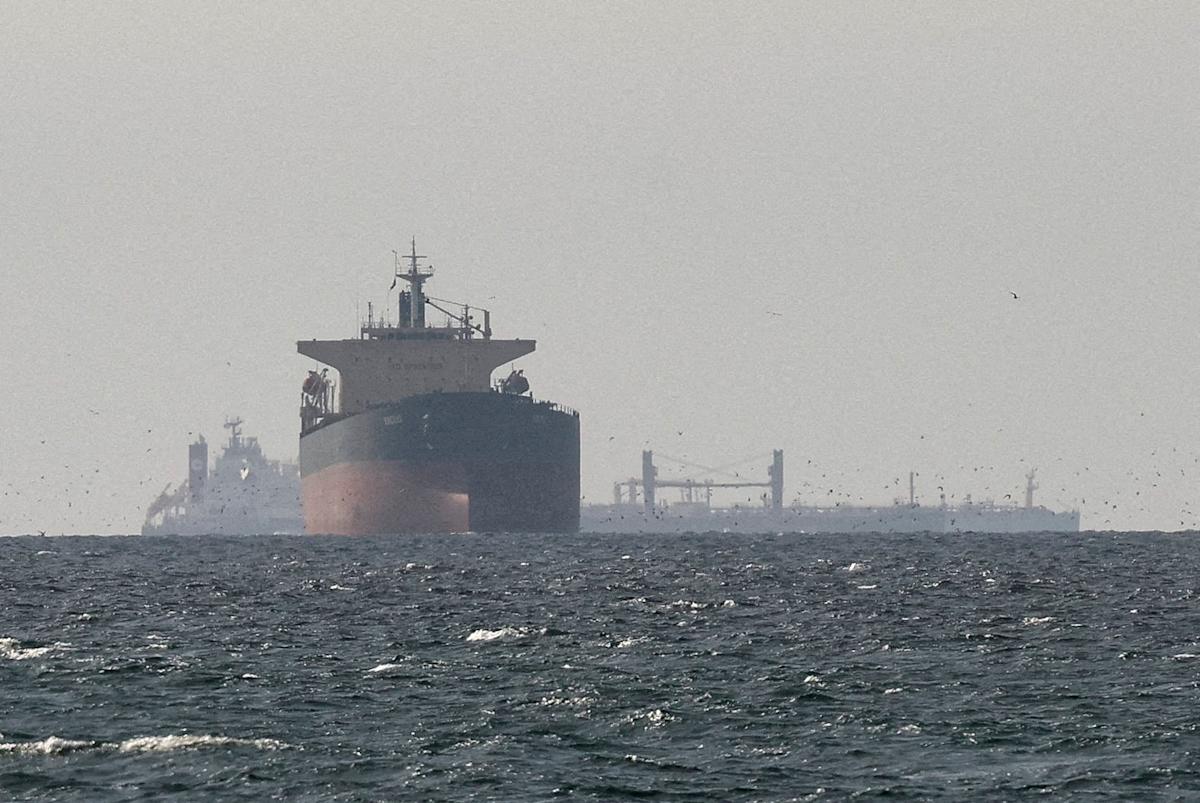
Countries may soon face significant oil shortages, as tensions in the ongoing US-Israeli conflict with Iran have led to the effective closure of the vital Strait of Hormuz, a key transit route for oil. According to Daan Struyven, a strategist at Goldman Sachs, concerns are growing about impending oil shortages as the last tankers that navigated the strait before hostilities began reach their destinations.
Struyven highlighted a critical shortfall in petrochemical supplies—specifically naphtha and liquefied petroleum gas (LPG)—across Asia. Cross-product scarcity has been observed in several Asian nations as of April, with the situation exacerbated by ongoing conflict. Although there may be some remaining flows from the Strait of Hormuz, coupled with alternative imports and domestic oil reserves, the risk of shortages in fuel oil and naphtha, particularly in Asia, remains elevated.
The volatility in oil prices has intensified amid the conflict, marked by dramatic fluctuations. Recently, prices surged to peaks not seen since the military actions began in late February. After dipping below $100 per barrel at the end of March due to brief hopes of de-escalation, prices shot up following a stern address from President Trump on April 1, where he committed to intensified action against Iran. This proclamation led to a significant spike, with West Texas Intermediate (WTI) crude climbing 11.4% to $111.54 per barrel and Brent crude following suit, reaching $109.03 per barrel.
President Trump further escalated tensions, cautioning Iran in a social media post that failure to reopen the Strait of Hormuz would result in severe consequences. The Strait of Hormuz is recognised as the most crucial oil transit route globally, typically accommodating around 20 million barrels of oil per day—approximately 20% of global seaborne oil shipments. However, traffic through the strait has drastically diminished since the onset of the conflict, with the number of daily vessel transits plummeting over 90%, often dwindling to just a handful.
In summary, the ongoing geopolitical tensions surrounding Iran are poised to disrupt global oil supplies significantly, with analysts warning of potential shortages in the near future, primarily affecting Asia. Oil prices are under upward pressure, potential further escalations in rhetoric may lead to even higher costs for consumers worldwide.