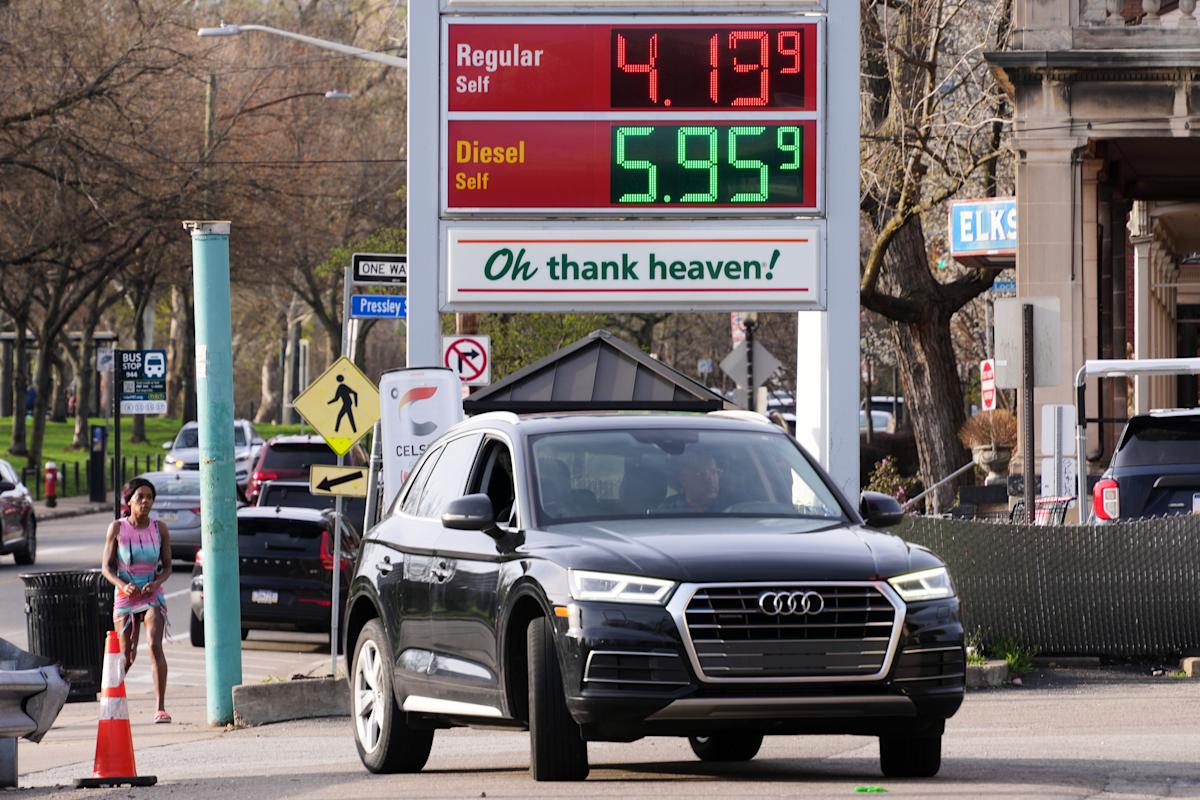
In recent findings from the New York Federal Reserve’s March survey, a growing number of American households expect to be in a financially precarious situation over the next year. This sentiment aligns with increasing costs in gas and food, driven by geopolitical tensions, particularly the US-Israel conflict which has adversely affected global markets, pushing gas prices over $4 per gallon.
The survey indicates a marked decline in consumer optimism, with near-term inflation expectations rising. Concurrently, projections for earnings growth have diminished slightly, while concerns regarding a potential increase in the unemployment rate have reached their highest since last April—echoing market fears last experienced during the imposition of tariffs by the Trump administration.
This pervasive sense of unease among consumers is underscored by a notable shift in financial outlook. According to the New York Fed, a larger cohort of households now foresee a worsened financial scenario, marking the highest such anticipation since April 2025. In contrast, fewer households anticipate an improvement in their financial situations.
Fuel price forecasts are particularly troubling, with consumers estimating a 9.4% rise in gas prices over the upcoming year. This projection appears more conservative than some analysts’ predictions, which suggest gas could reach $5 per gallon if geopolitical conditions, such as a closure of the Strait of Hormuz, persist. Current averages place gas prices at approximately $4.14.
Moreover, a separate consumer survey conducted by the University of Michigan has revealed a decline in overall consumer sentiment, with inflation expectations witnessing their most significant one-month increase since April 2025. Interestingly, the Conference Board’s measure of consumer confidence unexpectedly rose in March, suggesting some conflicting narratives in consumer sentiment.
Overall, these trends paint a sobering picture for US households as they grapple with rising living costs amid a churning economic landscape.
For those navigating the job market during this uncertain period, sharing experiences may be invaluable. Individuals with insights or stories to tell are encouraged to reach out and engage.
In conclusion, the financial outlook for many American households appears increasingly bleak, influenced by external pressures such as rising fuel costs and inflationary fears. The confluence of these factors only amplifies the need for strategic financial planning and awareness.