Concerns Rise Over Stagflation Amid Oil Price Shocks
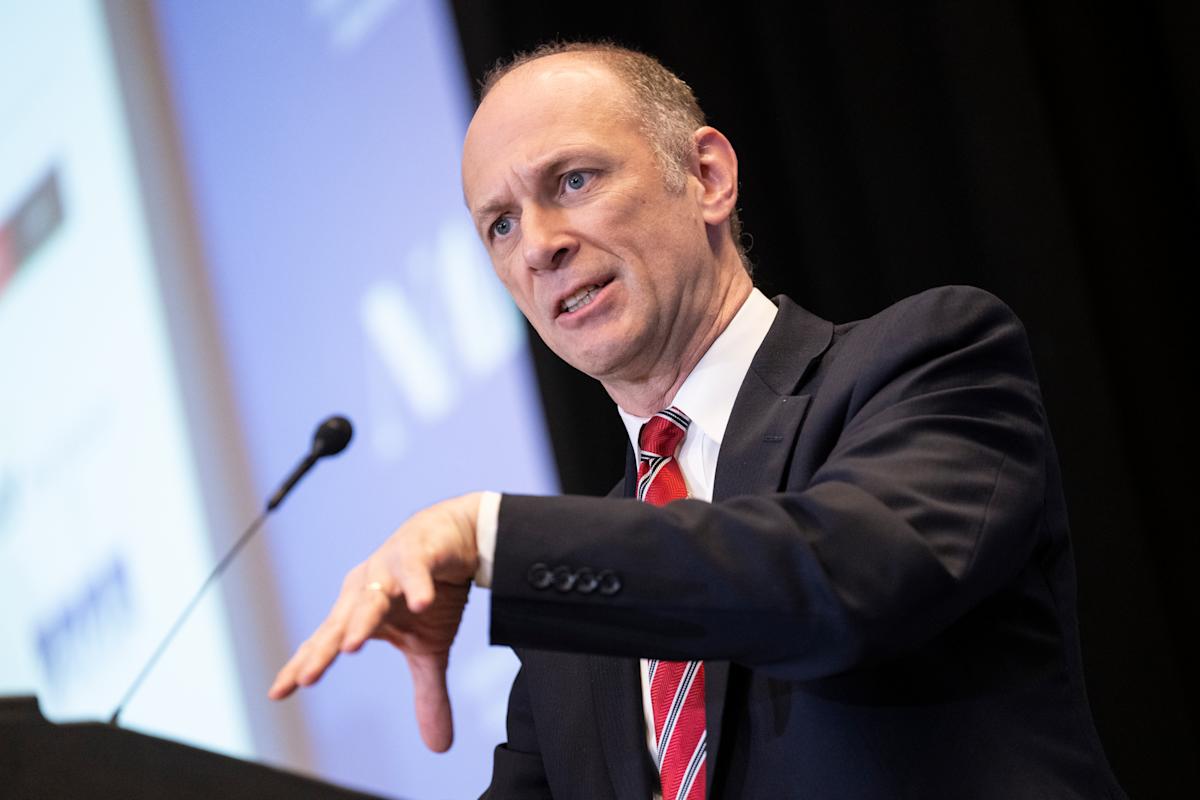
Austan Goolsbee, the president of the Chicago Federal Reserve Bank, expressed significant concerns regarding the potential impact of the current oil price shocks driven by the conflict in Iran. During remarks made at the Detroit Economic Club, he highlighted the risk of rising prices leading to a “stagflationary” scenario—where inflation occurs alongside economic stagnation.
Goolsbee emphasised that these price pressures emerge at a time when tariffs had already been contributing to inflation levels, which were expected to subside later this year. He pointed out that the current situation mirrors the challenges faced in 2022, when inflation surged due to COVID-induced supply chain disruptions, followed by the onset of the war in Ukraine that further inflated oil prices.
"My immediate concern is that we are grappling with an oil shock that could exacerbate prices before the inflationary pressures from tariffs have resolved," Goolsbee stated. He acknowledged his cautious stance regarding the persistence of these inflationary pressures, which could significantly colour perceptions of economic stability moving forward.
John Williams, president of the New York Federal Reserve, also shared insights on the inflation outlook, stating that while his expectations for underlying inflation remained largely static, he anticipated higher energy prices as a result of the Iranian conflict. He conveyed his forecast that “core” inflation—excluding volatile food and energy sectors—might only increase by a marginal one or two-tenths of a percentage point due to the oil shock. Despite predicting a rise in overall inflation, Williams indicated a decision to maintain current interest rates, citing that monetary policy is well-positioned to respond to the economic fallout from geopolitical tensions.
"Monetary policy is in the right place to await the repercussions of the conflict in the Middle East, and we are prepared to adapt should conditions change," he explained.
The ongoing conflict in the Middle East and its potential to spur higher inflation underscores the delicate balancing act that policymakers face. Market participants and ordinary consumers alike are likely to feel the downstream effects on prices, from energy costs to everyday expenses, as these global events unfold.
As the economic landscape shifts due to these pressures, stakeholders will need to stay vigilant and informed to navigate the uncertain waters ahead.