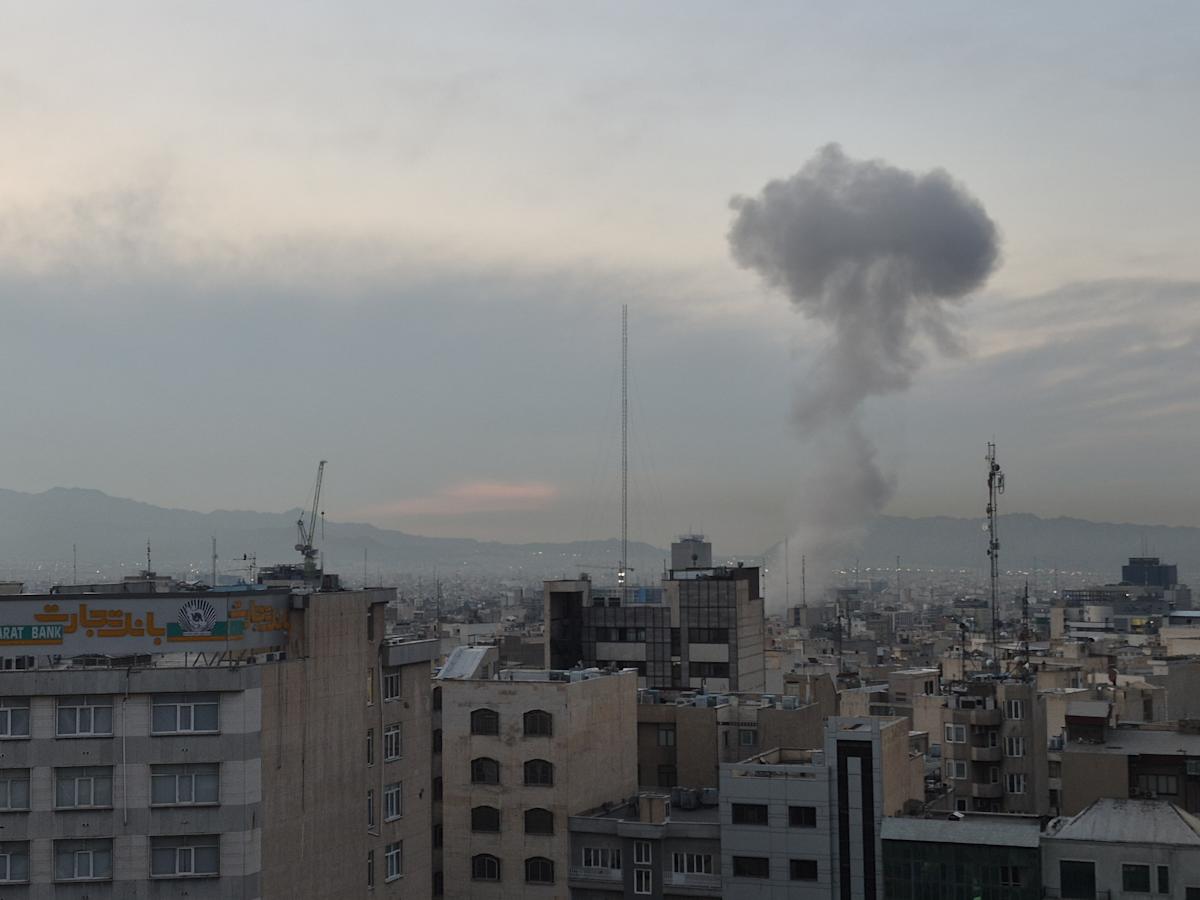
Oil futures experienced a significant decline, while US stock futures surged in the wake of President Trump’s announcement to temporarily halt a potential bombing campaign against Iran. Trump, in a post on his social media platform, Truth Social, declared a two-week suspension of attacks, stating, "This will be a double-sided CEASEFIRE!" He asserted that the US had already fulfilled its military objectives and was close to establishing a long-term peace agreement with Iran, alongside broader peace in the Middle East.
As a result, Brent crude futures dropped by 8%, hovering around $100, while West Texas Intermediate (WTI) crude fell by 7%, trading above $104. Concurrently, futures for the S&P 500 and the tech-focused Nasdaq 100 surged by 1.5%, and contracts on the Dow Jones Industrial Average soared nearly 700 points.
Despite the ceasefire, the Strait of Hormuz—vital for global oil transportation—remains a contentious issue. Trump explained that the decision to pause military actions followed discussions with leaders from Pakistan, who requested the cessation of hostilities. He emphasised that a complete, immediate, and safe reopening of the Strait would be crucial for any ongoing negotiations.
The US has reportedly received a workable "10-point proposal" from Iran, suggesting that there may be a pathway toward resolving this enduring conflict. Earlier, Trump had expressed grave concerns about the potential for severe consequences if military actions proceeded, commenting that "a whole civilization will die tonight."
In a shift of tone, Trump hinted at the possibility of negotiations following what he termed a "Complete and Total Regime Change" in Iran, suggesting that new leadership might open doors for better future agreements.
Previously, Iran had distanced itself from negotiations and expressed a desire for full cessation of hostilities and reparations before discussing temporary arrangements. This escalation is particularly concerning given that the US and Israeli forces have targeted Iran’s military and energy infrastructure throughout their ongoing conflict. However, they have refrained from hitting critical services that affect civilians, such as power plants and desalination facilities.
As the situation unfolded, Trump set a deadline for Iran to reach a deal, stating that failure to comply would result in devastating military strikes. He remarked that, should military actions proceed, the consequences for Iran would be severe, leading to a regression to a pre-industrial state.
On the eve of the ceasefire announcement, Iranian authorities threatened to retaliate against Gulf infrastructure if the US attempted to proceed with its military plans. This involved warning about potential strikes on key projects, underlining the high stakes of the situation.
As global investors closely monitored developments, the volatility in markets reflects the interconnected nature of military and economic stability. The ramifications of these decisions extend beyond politics, impacting oil prices and stock market performance amid soaring tensions in the region.
In summary, as oil prices fell sharply and US stock futures rose significantly, the geopolitical landscape remains precarious with the potential for escalated hostilities and shifting alliances. The outcome of the negotiations and the broader implications for peace in the Middle East will be crucial to observe in the coming weeks.
This report serves to highlight the latest developments in US-Iran relations and their impact on global markets, capturing the essence of the ongoing situation comprehensively.