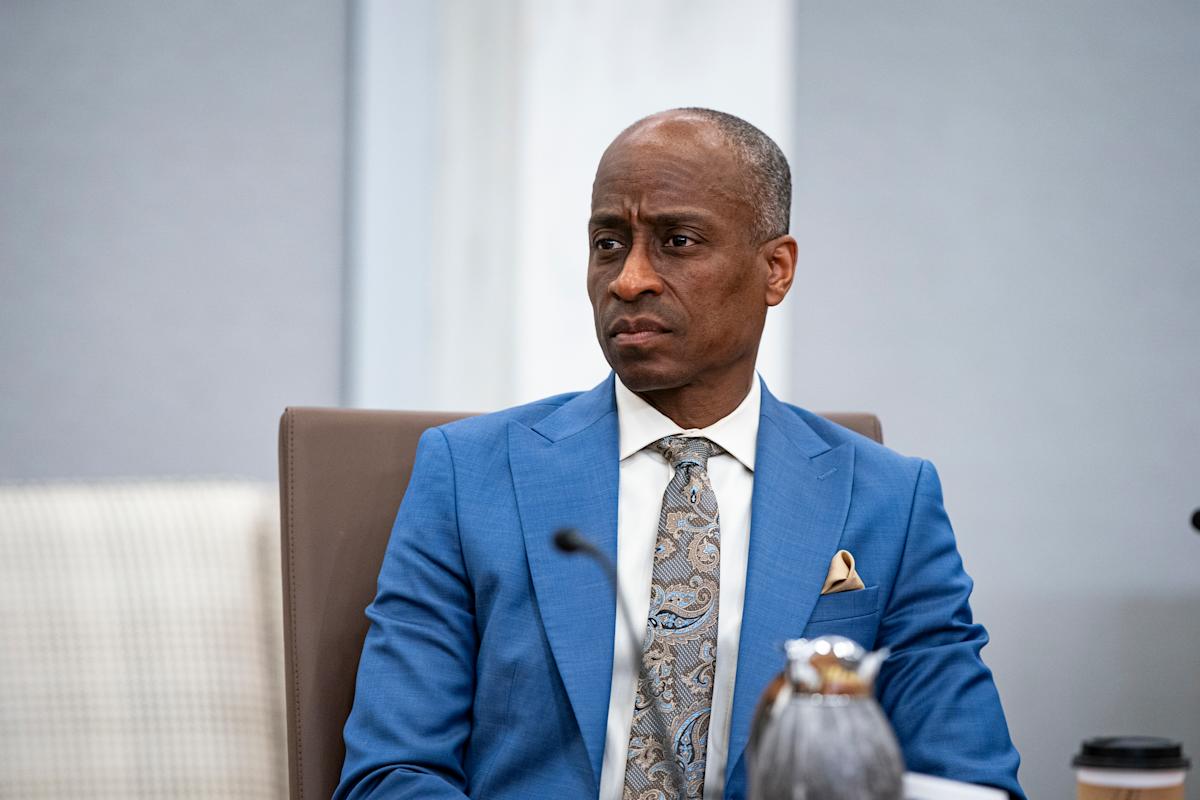
Federal Reserve Vice Chair Philip Jefferson recently addressed concerns regarding the impact of rising energy prices on inflation forecasts. Speaking in Detroit, he highlighted the unpredictability of the ongoing conflict in the Middle East, which may contribute to prolonged elevated oil prices that could potentially affect both consumer spending and business investment.
Jefferson remarked on the troubling reality that inflation has consistently exceeded the Federal Reserve’s target of 2% for the past five years. He expressed his commitment to restoring inflation to this target level, while acknowledging the challenges posed by various factors, including tariffs that have stalled progress in lowering core inflation over the past year.
He optimistically noted that, with the eventual resolution of high tariffs, a decline in consumer prices could ensue. Additionally, he referenced potential benefits stemming from the current administration’s deregulatory measures and increased productivity, which might further alleviate inflationary pressures. However, he cautioned that the recent spike in energy prices is likely to elevate headline inflation figures in the short term, emphasising the need to remain vigilant regarding trade policy uncertainties and geopolitical tensions that may further complicate the inflation outlook.
Jefferson anticipates that the forthcoming Personal Consumption Expenditures (PCE) index – a key inflation measure preferred by the Fed – will indicate an inflation rate of 2.8% for February prior to the escalation of conflicts. He expects core inflation, omitting volatile food and energy prices, to be around 3%.
Concerning interest rates, Jefferson stated the current range of 3.5% to 3.75% should facilitate a decline in inflation once businesses have fully passed on the costs associated with tariffs, while simultaneously supporting the labour market. He expressed confidence that the Federal Reserve’s stance allows for the flexibility to adjust policy rates in response to incoming data and evolving economic conditions.
While he noted signs of stabilisation in the job market, Jefferson remains cautious, warning that a significant negative economic shock could diminish job growth and increase unemployment rates. He expressed concern that ongoing uncertainty might make companies hesitant to hire, potentially stalling job growth for an extended period. Nevertheless, he believes the unemployment rate is likely to remain steady throughout the year.
In summary, Jefferson’s remarks underscore the complex interplay between geopolitical events, energy prices, and inflation, while promoting an adaptive policy approach aimed at stabilising the economy and restoring price stability.