Oil Futures Decline Amidst Tension in the Strait of Hormuz
Oil futures experienced a significant drop on Wednesday, with markets remaining on edge due to escalating tensions in the Middle East. The Iranian Tasnim news agency reported that Iran was halting all maritime traffic through the vital Strait of Hormuz in response to ongoing Israeli military actions in Lebanon. This move raises concerns of a protracted energy crisis.
In a statement from an account linked to the Iranian government, it was indicated that if Israel did not agree to a ceasefire in Lebanon, renewed hostilities could erupt within hours. However, Iranian officials implied a willingness to engage in dialogue with the US, despite the potential blockade of the strait.
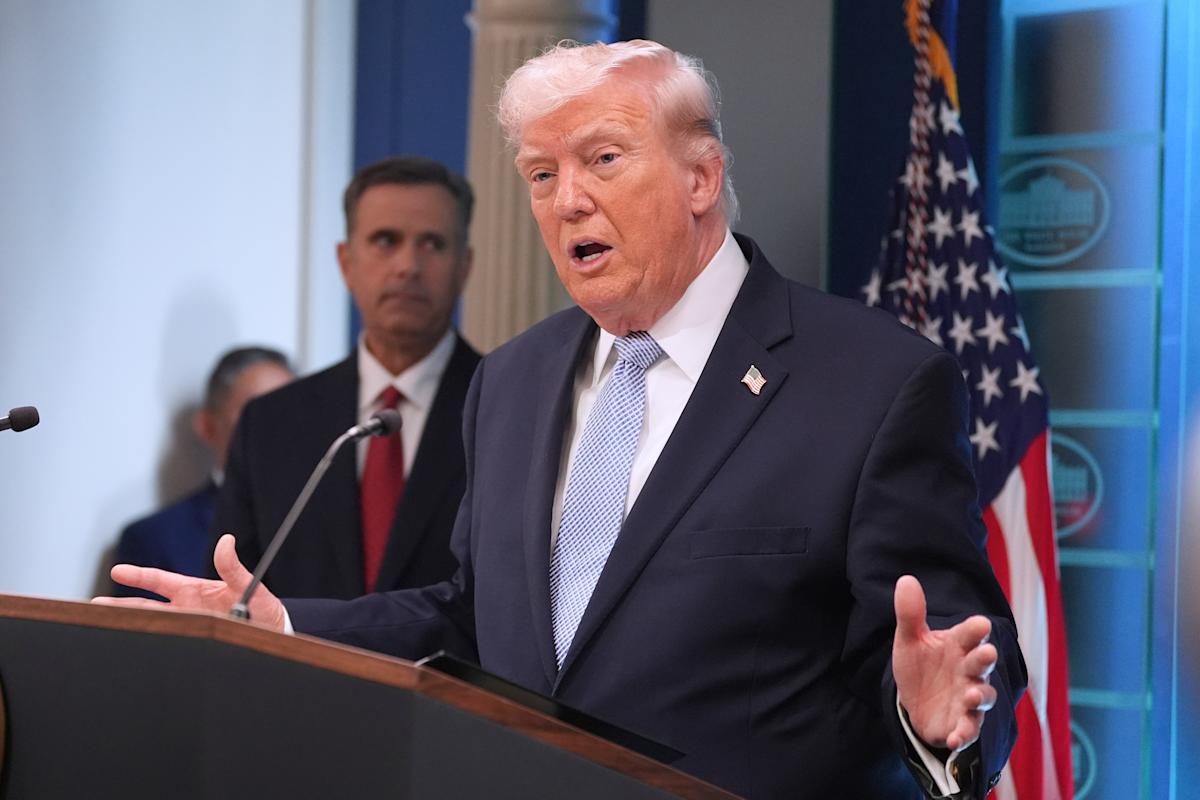
The announcement of a two-week US ceasefire on Iran by former President Donald Trump followed shortly after, allowing military bombs to be suspended to facilitate a pause in hostilities that have significantly affected global markets. He affirmed this decision, stating that military objectives had been achieved, and there was a path towards an agreement for long-term peace not just with Iran but in the Middle East as a whole.
Iran’s Foreign Minister, Abbas Araghchi, confirmed the acceptance of this ceasefire, expressing that Iran would halt its operations and permit safe passage through the Strait of Hormuz when coordinated with its armed forces.
Despite the announcement, data from Huax, a maritime intelligence provider, revealed that traffic levels through the Strait had not significantly decreased post-announcement.
On the market front, Brent crude futures plummeted 13% to just over $95 a barrel, while the West Texas Intermediate (WTI) crude fell by 15%, trading around the same price point. Concurrently, US equities rallied, with the S&P 500 jumping 2.1%, the Dow Jones increasing by 2.3%, and the Nasdaq Composite rising by 2.5%.
While the ceasefire is in effect, the Strait of Hormuz, which plays a crucial role in global oil supply, remains an area of heightened tension. Reports suggested incidents of conflict continue within Iran, including strikes on critical infrastructure and retaliatory actions across the UAE and Kuwait.
Pakistan’s Prime Minister Shehbaz Sharif implored both parties to observe the ceasefire, stressing that any breaches would jeopardise the peace process.
Former President Trump’s announcement of the ceasefire followed dismissive negotiations from Iran, which had sought not merely a temporary truce but a full cessation of hostilities and reparations for war damages. In discussions leading up to the ceasefire declaration, Trump had positioned the US military for possible strikes unless Iran adhered to certain terms, including the complete and safe reopening of the Strait.
The evolving situation presents a complex interplay of military strategy, diplomatic negotiations, and global economic repercussions, highlighting the vulnerabilities of oil markets amidst geopolitical tensions.
As the ceasefire progresses, the international community watches closely, hopeful for a resolution while mindful of the potential for renewed conflict in a region pivotal to energy supply and stability.