Table of Contents
Summary of Proposed Ceasefire and Oil Transit Fee Plan in the Strait of Hormuz
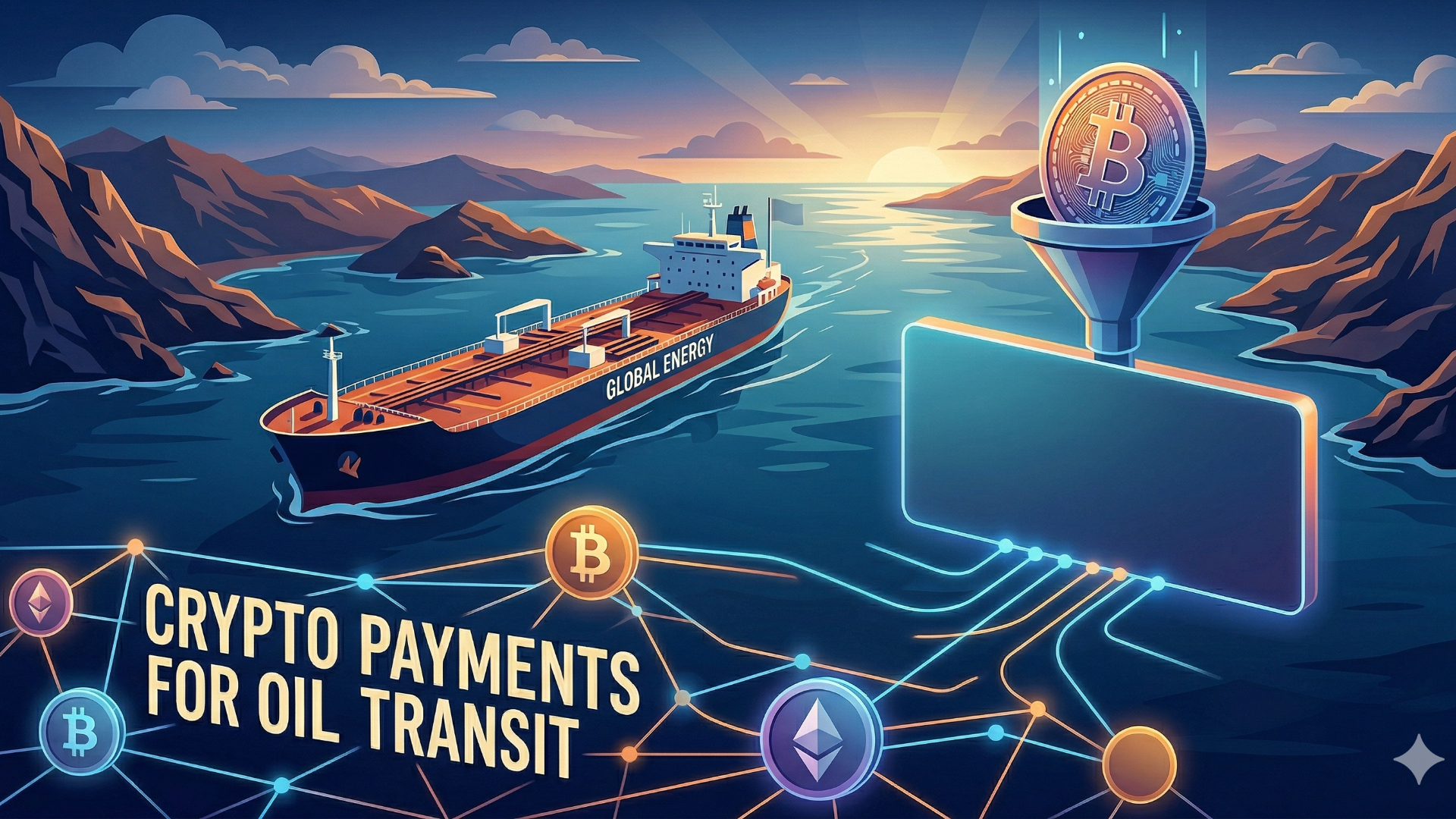
A recent ceasefire proposal has brought to light the idea of imposing transit fees on oil shipments navigating through the Strait of Hormuz. Iran is proposing a fee structure that includes the option for payments in cryptocurrency or the Chinese yuan, aiming to maintain its influence over this critical waterway while ongoing negotiations unfold.
Key Features of the Proposal
-
Cargo Approval Process: All vessels must present their cargo details for approval before transit, enabling authorities to assess eligibility and assign corresponding fees. This measure aims to ensure oversight and prevent the transportation of arms during the ceasefire.
-
Fee Structure: A transit fee of US$1 per barrel (approximately AU$1.45) is proposed for loaded tankers. Empty vessels may be allowed to pass without incurring this fee. Vessels that are approved will need to remit payment in digital currencies within a specified timeframe after their cargo has been assessed.
- Cryptocurrency Acceptance: The incorporation of cryptocurrency as a form of payment is a strategic move to navigate financial sanctions and dependency on conventional banking systems. It indicates a growing trend of utilising digital currencies for international trade and geopolitical matters.
Industry Concerns
The oil sector has voiced significant apprehensions regarding these proposed transit fees. Industry leaders highlight that such tolls could lead to increased operational costs, contributing to instability in global energy markets. Negotiations suggest that fees could climb as high as US$2 million (around AU$2.9 million) per vessel, which raises further concerns about financial viability.
Moreover, there are worries surrounding the legal ramifications of these fees and the potential impact on established norms regarding free navigation through vital maritime routes. The broad implications could set a precedent that might alter the way international shipping operates.
In summary, while the proposed ceasefire and associated oil transit fees through the Strait of Hormuz reflect an attempt to maintain regulatory control during a delicate time, the reaction from the industry indicates that this move could introduce significant challenges and uncertainties within the global energy landscape.