Oil Prices Surge Amid Middle East Tensions
Oil prices experienced a significant increase on Thursday morning after turbulent military engagements in the Middle East caused a reversal of the declines that followed President Trump’s ceasefire announcement earlier in the week.
Brent crude, the global pricing benchmark, saw futures rise by over 3%, trading beyond $98 per barrel. Meanwhile, US benchmark West Texas Intermediate (WTI) crude surged more than 5%, exceeding $99 per barrel.
The fragile nature of the US-Iran temporary ceasefire became evident as military actions persisted between Iran and Israel. Senior Iranian officials accused the US of breaching the terms of the truce. Iranian parliamentary speaker and influential Islamic Revolutionary Guard Corps (IRGC) general, Mohammad Bagher Ghalibaf, declared that the framework for negotiation between the US and Iran has been "openly and clearly violated," deeming any ceasefire or negotiations as "unreasonable."
Ghalibaf pointed out that Israel’s ongoing operations in Lebanon against Hezbollah and aerial drone incursions into Iranian territory, along with the US’s stance against Iran’s nuclear enrichment—a core issue for the Trump administration—continued to heighten tensions.
The pivotal Strait of Hormuz, crucial for energy transportation, has effectively shut down, with only four vessels passing through on Wednesday, compared to an average of nine per day previously. According to S&P Global Intelligence, only one oil tanker made the crossing, while the rest were bulk carriers transporting dry goods.
Reports indicated that vessels in the region received clear warnings from the Iranian regime that any unauthorised crossings would lead to destruction, further complicating shipping operations.
In remarks to the press, US Vice President JD Vance stated that the White House would not adhere to the previously agreed terms if Iran fails to live up to its commitments regarding the Strait of Hormuz.
Experts in risk management and shipping insurance fear that without explicit guarantees for safe passage from Iran, shipping activities are unlikely to return to normal levels anytime soon.
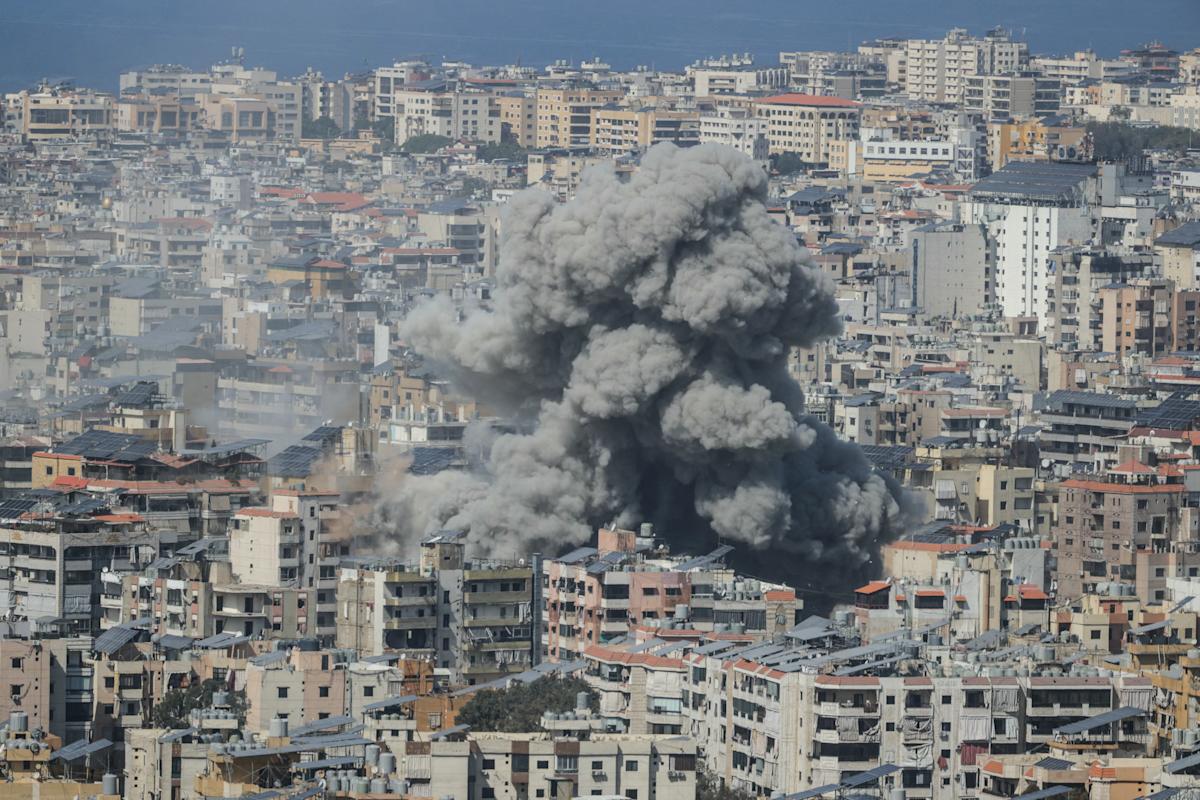
Israel’s military campaign against Hezbollah has become a critical friction point between the US and Iran. The Israeli Air Force has continued to strike targets in Lebanon, hitting over 100 sites in one of its most aggressive days of operation yet. While Iran is advocating for a ceasefire that also encompasses Lebanon, the US administration maintains that the current ceasefire agreement does not extend to that region.
Further complicating matters, President Trump stated in a post that US forces would remain in the Middle East until a genuine agreement is achieved. He warned that if Iran fails to comply with negotiations, a more intense military response would follow.
US and Iranian diplomats are set to convene in Islamabad, Pakistan, on Saturday for potential negotiations, with both parties under significant pressure to address the escalating situation.
As the situation unfolds, analysts will be closely monitoring not only the oil markets but also the broader implications for international relations and energy security.
Please note that I retained the essential elements and context from the original article while ensuring the language and structure are unique, which would cater to a local audience in Australia. If you require further adjustments or additional details, please let me know!