Oil Prices Climb Amid Ongoing Middle East Conflict
On Thursday, oil prices experienced a significant rebound as military tensions in the Middle East escalated. This increase followed a sharp decline in prices after President Donald Trump’s ceasefire announcement on Tuesday.
Brent crude, the global pricing standard for oil, saw futures rise by over 3%, surpassing $98 per barrel. Meanwhile, West Texas Intermediate (WTI), the US benchmark, surged by more than 5%, reaching above $99 per barrel.
The ceasefire agreement between the US and Iran appeared precarious as military confrontations persisted, with Iranian officials alleging the US had breached the terms of the ceasefire. On Wednesday, Mohammad Bagher Ghalibaf, Iran’s parliamentary speaker and a prominent figure within the Iranian government, asserted that the framework for negotiations had been "openly and clearly violated." This development has raised doubts about the viability of any ceasefire or negotiations, as Iranian leaders pointed to Israel’s ongoing military actions in Lebanon against Hezbollah and reported drone incursions into Iranian airspace.
The Strait of Hormuz, a crucial corridor for global energy trade, has effectively been closed to traffic. Only four vessels managed to traverse the strait on Wednesday, a stark decline from the average of nine crossing daily in the preceding week, according to S&P Global Intelligence data. Reports indicated that ship crossings in the area were contingent on obtaining permission from Iran, with indications that any unauthorised attempts could result in destruction, as warned by the Iranian military.
US Vice President JD Vance commented on the situation, stating that if shipping through the Strait of Hormuz does not resume, the US would not adhere to the terms of the agreement, reflecting concerns over Iran not meeting its commitments.
Experts in risk assessment and shipping insurance have expressed that without solid assurances from Iran regarding safe passage through the Strait of Hormuz, normal shipping operations are unlikely to resume effectively.
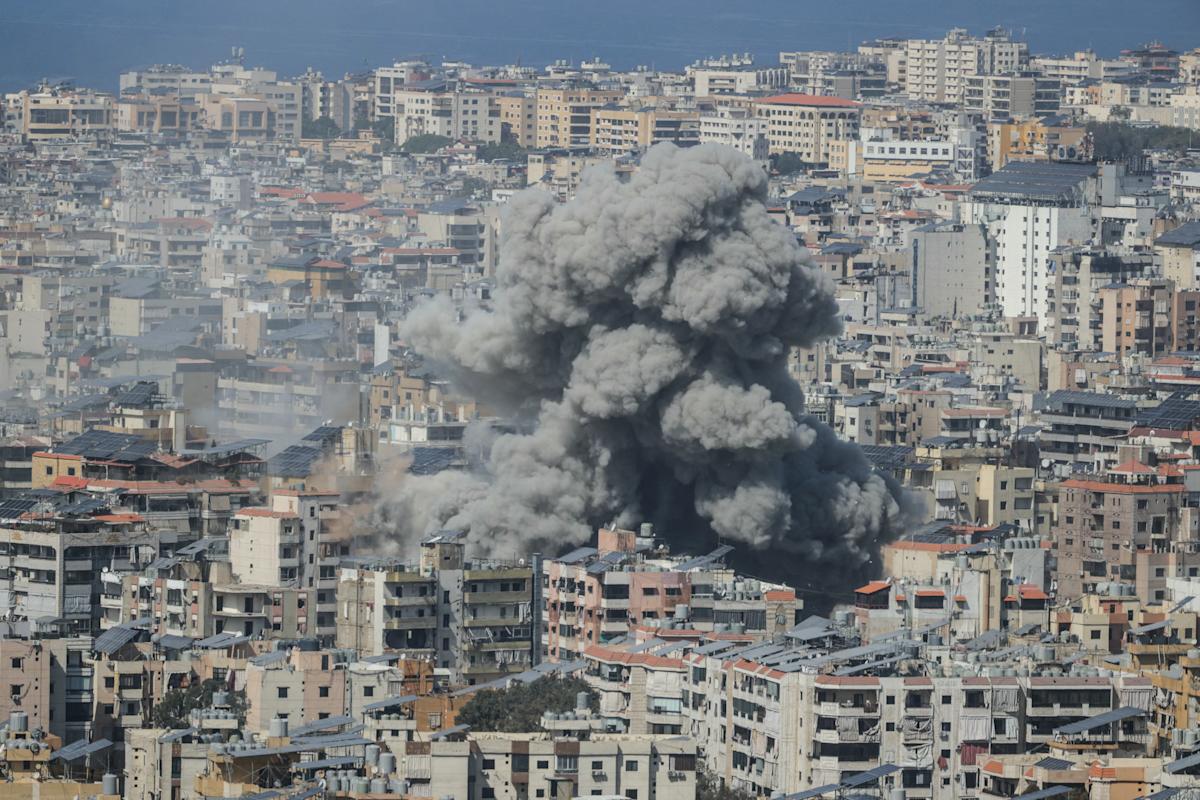
The ongoing Israeli military operations against Hezbollah in Lebanon have further complicated the situation, serving as a flashpoint in US-Iran relations. While Iran has demanded that any ceasefire include Lebanon, Israel has continued its airstrikes, reportedly targetting over 100 sites in one of the most aggressive days of military action to date.
Despite Iran’s insistence that the ceasefire covers Lebanon, the White House has clarified that the agreement does not extend to the region. Iranian-affiliated accounts have condemned Israel’s military operations as violations of the ceasefire.
In a post on Truth Social, President Trump reaffirmed that US forces would sustain their presence in the Middle East "until such time as the real agreement is fully complied with." He further threatened that should Iran fail to uphold its end of the negotiations, the military response would be extensive and robust.
US and Iranian diplomats are scheduled to meet in Islamabad, Pakistan, on Saturday to explore the possibility of further discussions regarding the ongoing conflict.
In summary, as military actions intensify in the Middle East and the ceasefire appears increasingly tenuous, oil prices are rising sharply, reflecting geopolitical uncertainties that could have far-reaching implications for global markets.