The White House faced criticism following the release of new Labor Department statistics indicating a significant rise in inflation, largely attributed to the ongoing conflict in Iran. Consumer prices experienced their most considerable increase since 2022, climbing 3.3% year-on-year, particularly influenced by higher petrol prices. However, when excluding the volatile categories of food and energy, the “core” inflation rate rose modestly by 2.6%, falling short of expectations.
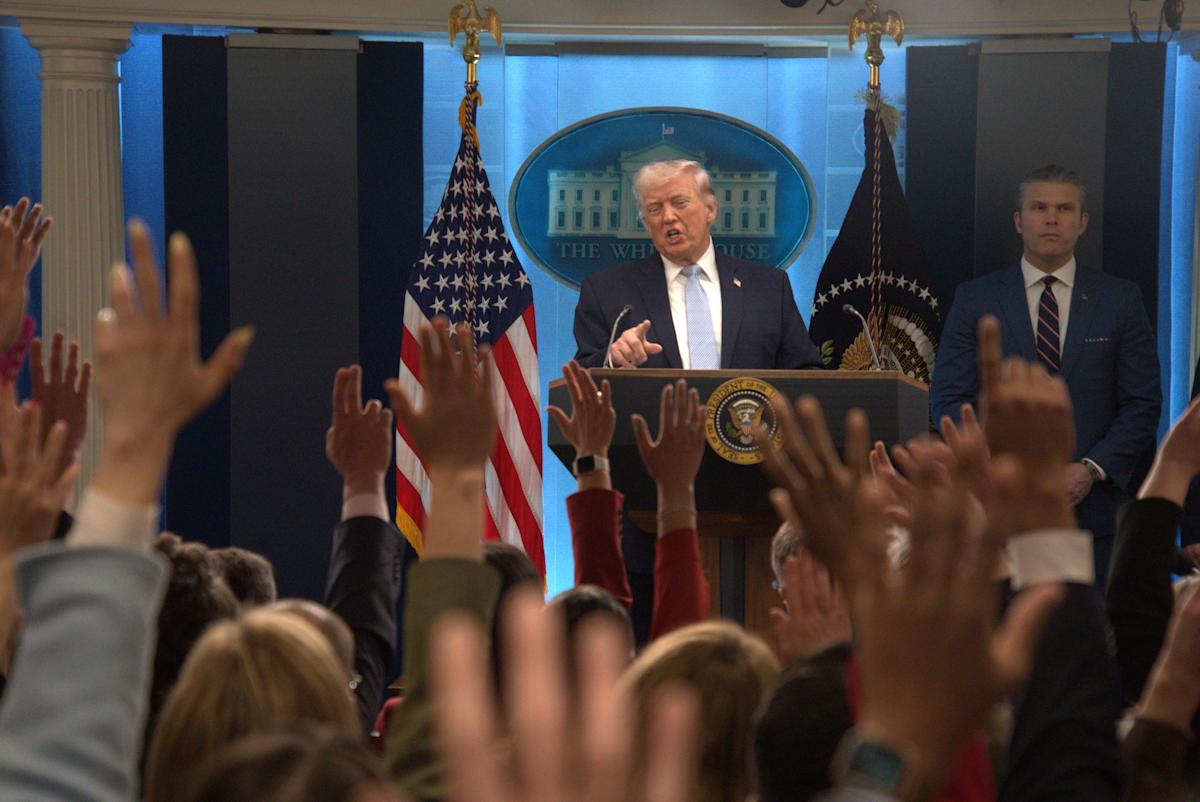
In response to the inflation figures, Deputy Press Secretary Kush Desai emphasised the more favourable core inflation data during a media briefing. He asserted that the economy is on a “solid trajectory”, while concurrently acknowledging the hikes in food and gas prices. Desai highlighted a decrease in costs for various goods, including eggs, prescription medications, and televisions, attributing stability in pricing to the administration’s policies.
National Economic Council Director Kevin Hassett also spoke to these issues during an interview, underscoring the favourable core inflation metrics and referencing declines in prices for commodities like beef and sports tickets. Despite this, the overall inflation data painted a less optimistic picture, with energy costs surging over 12% in the past year.
Although President Trump did not immediately comment on the inflation figures, the White House’s narrative centred on expectations of a swift end to hostilities in Iran, potentially leading to a rapid decline in oil prices. Hassett expressed confidence that the economic disruptions caused by the conflict would be temporary, suggesting that any adverse effects would quickly dissipate.
Nevertheless, experts caution that the repercussions of the current situation may persist due to the precarious state of the Strait of Hormuz, a critical transit route for oil. As noted by economists, price fluctuations in the oil market tend to escalate sharply but decrease gradually, indicating that consumers might continue to experience elevated gas prices for several weeks. As of the recent report, petrol prices averaged $4.15 per gallon, a slight increase from the previous week but down compared to the day prior.
Economists have provided a mixed analysis regarding the inflation outlook. Bernard Yaros, a lead economist at Oxford Economics, projected that the following month’s inflation reading may also come in higher than anticipated, and cautioned against drawing direct comparisons to the price surges witnessed in 2022 due to contrasting underlying factors. He noted the potential for further economic strain resulting from an uptick in energy prices impacting the job market over time.
Political responses to the inflation data varied, with Democrats pointing to the situation as a byproduct of the ongoing conflict with Iran. Senator Elizabeth Warren attributed the cost increase directly to Trump’s policies, asserting that struggling families are acutely aware of the administration’s role in rising expenses. Angela Hanks, a policy expert at the Century Foundation, warned of potential wider economic implications, citing that shortages of essential resources like oil and fertilisers could exacerbate inflation across various sectors.
In summary, while the White House maintains an optimistic outlook regarding the core inflation metrics, economic experts and political commentators remain wary of the inflationary pressures stemming from the conflict in Iran, which could have lasting impacts on consumers and the broader economy.