Table of Contents
Australia’s Fuel Consumption: A Complex Landscape
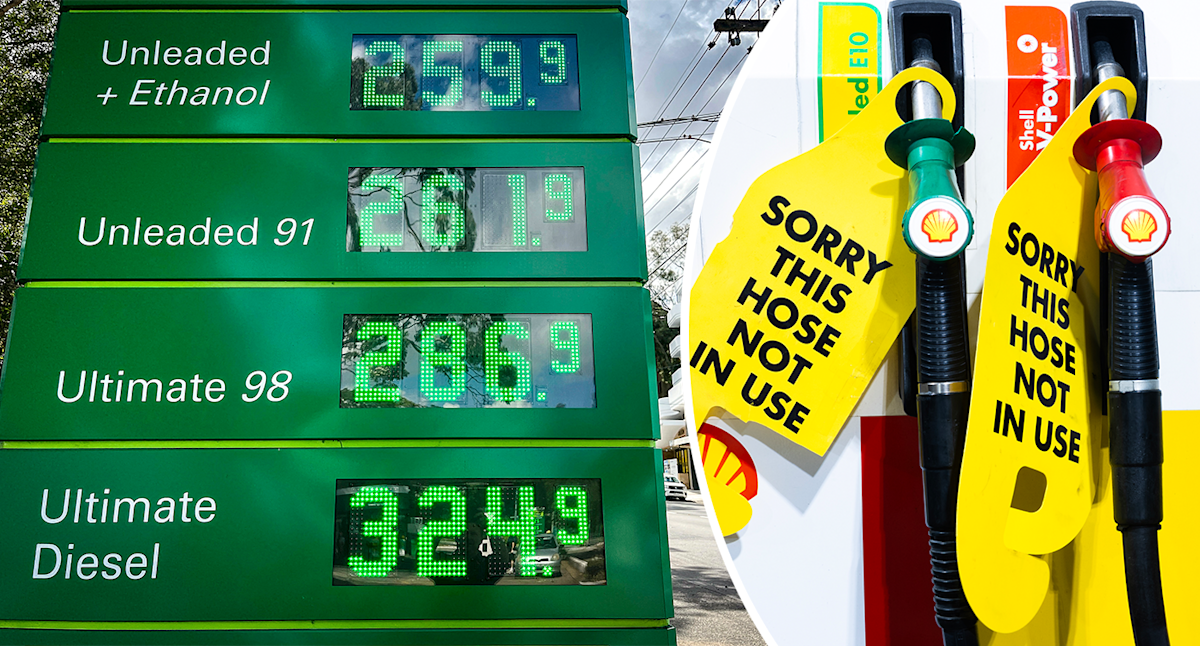
As the conflict in the Middle East persists and traffic through the Strait of Hormuz remains limited, Australia faces significant concerns regarding fuel supply and consumption. The country, which has an alarmingly low fuel reserve—barely exceeding one month—may find itself more vulnerable compared to other developed nations.
In response to the shifting fuel landscape, the Albanese government is developing a plan that dictates conservation measures based on fuel stock levels. Reports from organisations like ABC have revealed that voluntary petrol conservation measures might commence when fuel reserves decrease to 15 days, while rationing could kick in if reserves drop to just 10 days’ worth.
Historical Context of Fuel Consumption
Utilising data from the pandemic era can provide insights into current consumption patterns. The last few years showcased a drastic reduction in fuel use, particularly during the peak of COVID-19 lockdowns. Petrol consumption hit its lowest point in April 2020, falling by 42.7% compared to April 2019. The trend continued with notable declines in August 2020, where monthly sales plummeted by 19.7%.
From 2020 to 2021, petrol demand continued to lag behind pre-pandemic levels, particularly in August and September, with declines of 28.8% and 23.5%, respectively. Conversely, diesel consumption presented a different narrative, with April 2020 reflecting only a 9.8% drop relative to the previous year. In fact, throughout 2021, diesel consumption revealed a modest growth of 4.6% compared to 2019’s figures, demonstrating resilience even in challenging conditions.
The Broader Implications
The stark disparity between petrol and diesel consumption shows the difficulties of reducing overall fuel use. The data indicates an inelastic demand for these fuels—despite substantial decreases in petrol consumption during lockdowns, the overall reduction in combined diesel and petrol usage was only 9.3% at its most severe phase.
Given Australia’s heavy reliance on diesel—one of the highest per capita dependencies in the world—and the fact that a significant portion of fuel imports are refined from oil sourced predominantly through the Strait of Hormuz, the risk of rationing is very real.
With over half of Australia’s imported fuel at stake, any disruption could lead to dire consequences, particularly as attempts to reduce consumption may be met with resistance from an economy that is critically wired to diesel.
Conclusion
In summary, Australia’s relationship with fuel—particularly in terms of diesel—reveals a complex picture. Current trends suggest that even a small push towards reduced consumption could pose substantial challenges given the inelasticity of fuel demand. Therefore, the nation’s approach must consider both immediate and long-term strategies to ensure a stable fuel supply amidst ever-evolving global dynamics. As a deeply diesel-dependent economy, success in managing these challenges will be crucial for Australia’s operational viability in the coming years.
For further updates and insights, follow Yahoo Finance on Facebook, LinkedIn, and Instagram.