Oil Prices Dip Amid US-Iran Negotiation Hints
Oil prices experienced a downturn on Tuesday morning, coinciding with optimistic signs indicating that the United States may be willing to engage in further discussions with Iran.
Brent crude futures, recognised as the international benchmark, fell approximately 1.4%, trading below $98 per barrel, while the US benchmark, West Texas Intermediate (WTI), saw a steeper decline of 3.2%, falling below $96 per barrel. In the physical market, however, the price for immediate delivery of Brent crude remained high at over $130 per barrel, according to Bloomberg data. The US dollar also weakened, contributing to a surge in gold futures, marking a reversal of previous trends.
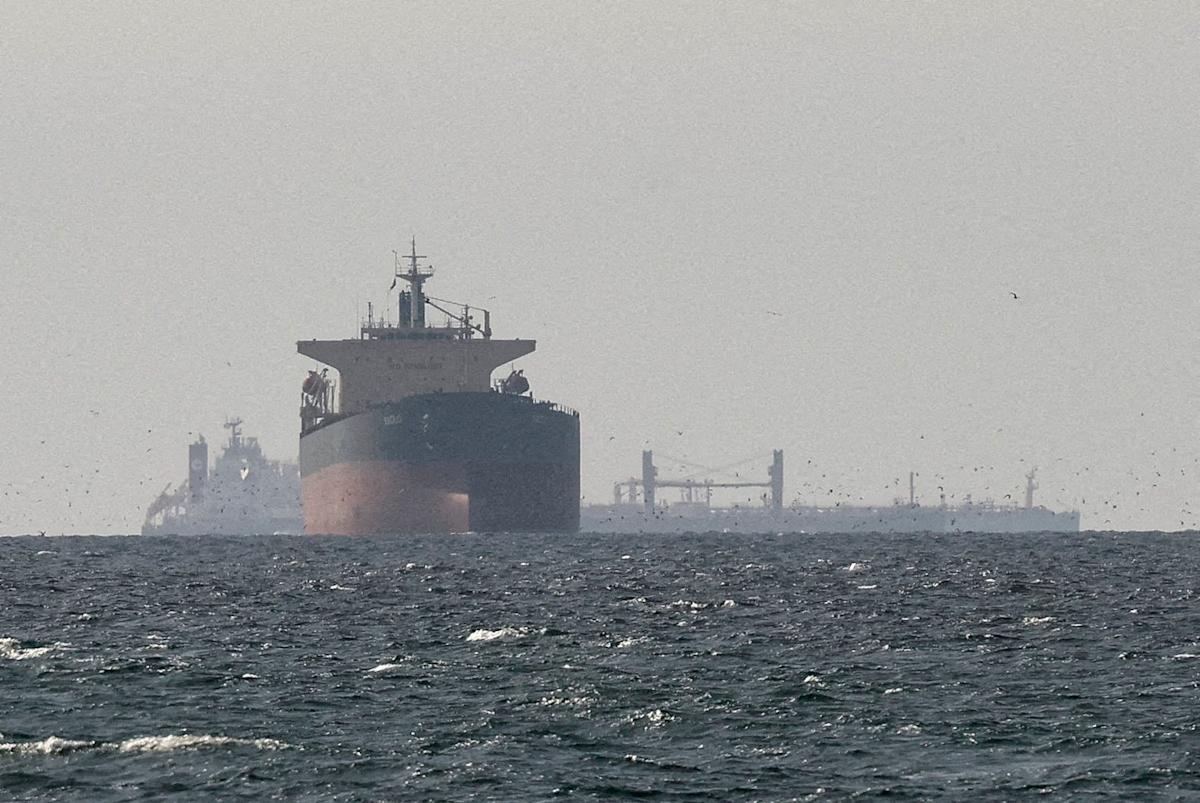
The ongoing US blockade of the strategically crucial Strait of Hormuz has resulted in a noticeable reduction in maritime traffic, although it has not completely halted. As of early Tuesday morning, only six vessels had navigated out of the strait, with two carrying refined oil products, two containing methanol, and two empty, based on data from Kpler, a global trade intelligence platform. Notably, three of these ships originated from Iranian ports. The US Central Command clarified that the blockade would not impact vessels moving to and from friendly, non-Iranian ports.
Currently, it remains uncertain how the US military is managing the passage of non-Iranian ships. Interestingly, a tanker linked to China, the Rich Starry, which was sanctioned by the US in 2023 for transporting Iranian oil, traversed the strait without apparent interference from US forces.
Simultaneously, there are growing indications of potential negotiations between Washington and Tehran, sparking hope within the market. Kyle Rodda, an analyst at Capital.com, stated that the market shows a keen desire for peace. Recent discussions, which lasted 21 hours in Islamabad, Pakistan, concluded without a formal agreement. Nevertheless, Iran has shown openness to resuming talks, with reports suggesting that negotiations could recommence as soon as this week.
Iran is reportedly contemplating a temporary suspension of shipments through the Strait of Hormuz to avoid testing the limits of the US blockade and potentially jeopardising future discussions.
While the reopening of the strait and the status of US economic sanctions on Iran are pivotal issues for the negotiations, Iran’s nuclear enrichment programme has emerged as a significant sticking point. The US is reportedly seeking a 20-year suspension of Iranian nuclear activities, while Iran has countered with a proposal for a five-year suspension, reminiscent of earlier negotiations prior to the recent escalation in tensions.
Reports suggest that President Trump is contemplating a strategy to resume limited airstrikes within Iran to break the deadlock over negotiations, which could violate the ceasefire agreement currently in place. This was highlighted by his comments threatening civilian infrastructure, including electric-generating and desalination plants.
In a note issued by JPMorgan Chase, economists warned that last week’s tentative shift from conflict to negotiation had eased energy prices, but the recent announcement of the US naval blockade serves as a stark reminder that hostilities are far from resolved. They cautioned that ongoing uncertainties are likely to maintain elevated risks to global economic expansion, underscoring the urgency of addressing these issues to avert adverse outcomes.
For ongoing updates and in-depth analysis of market movements, please follow the latest financial and business news.