Oil prices experienced a decline on Tuesday, influenced by indications from the United States regarding potential talks with Iran. Futures for Brent crude, which serves as the international benchmark, dropped approximately 1.4%, bringing its price below $98 per barrel. Meanwhile, US benchmark West Texas Intermediate (WTI) crude saw a sharper decline of 3.2%, trading under $96 per barrel.
In the physical market, however, the price of Brent crude for immediate delivery remained robust, continuing to trade above $130 per barrel, according to data from Bloomberg. Concurrently, the US dollar weakened, and gold futures rallied, marking a reversal from previous trends during the ongoing conflict.
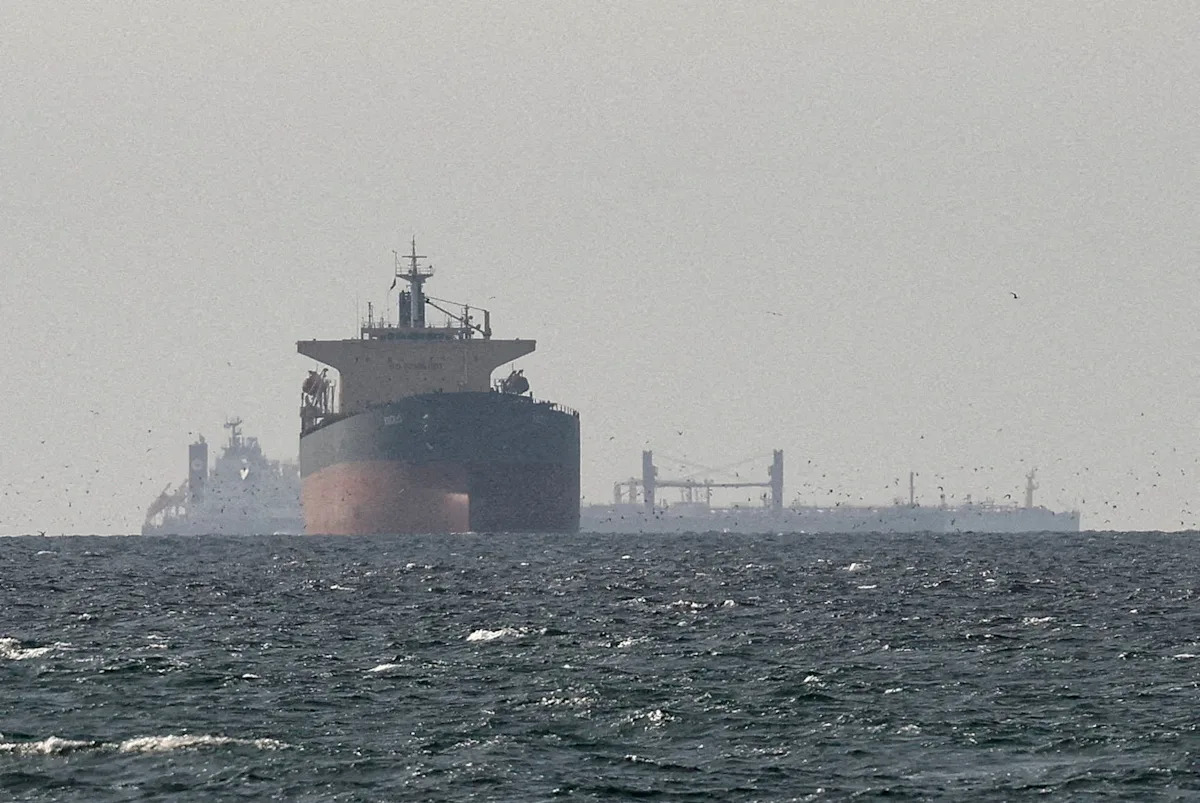
The situation in the Strait of Hormuz, a vital passageway for global energy transport, is tense but manageable. A day into the US blockade, the movement of vessels through the strait has significantly slowed, with only six ships noted to have transited by Tuesday morning. These included two carrying refined oil products, one transporting methanol, and two completely empty, as reported by global trade intelligence platform Kpler. Among these, three vessels had reportedly set sail from Iranian ports. The US Central Command clarified that the blockade does not extend to ships docking at friendly, non-Iranian ports.
The handling of non-Iranian vessels by the US remains unclear, but the China-linked tanker Rich Starry managed to navigate the strait without apparent US military obstruction, despite being sanctioned for transporting Iranian oil in 2023.
Emerging news hints at a revival of negotiations between Washington and Tehran, igniting optimism in the market. Analysts from Capital.com noted that the market is keen to explore avenues for peace. Although marathon negotiations concluded in Islamabad with no agreement on the weekend, Iran has expressed willingness to re-engage in discussions, potentially resuming as early as this week.
Iran is contemplating a temporary halt of its shipments through the Strait of Hormuz to prevent escalations that might jeopardise renewed talks. Central issues for ongoing negotiations include the reopening of the strait, the status of US economic sanctions, and Iran’s contentious nuclear enrichment programme.
The US is reportedly seeking a 20-year suspension of all Iranian nuclear activities, while Iran has suggested a 5-year freeze, echoing earlier proposals before the recent military escalations began. Additionally, reports emerged that US President Trump may be deliberating renewed airstrikes within Iran to break the stalemate in talks, leading to concerns about violating a ceasefire agreement.
JPMorgan Chase economists warned that while last week’s easing of tensions provided temporary relief to energy prices, the recent US blockade underscores the ongoing volatility in the region. Their assertion highlights the importance of urgent resolution efforts to mitigate adverse outcomes for the global economy.
As developments unfold, market participants are keenly monitoring the situation, which remains precarious yet ripe with the possibility of renewed diplomatic engagement between the US and Iran.
For additional insights and updates on stock market dynamics, stay connected with our financial news sources.