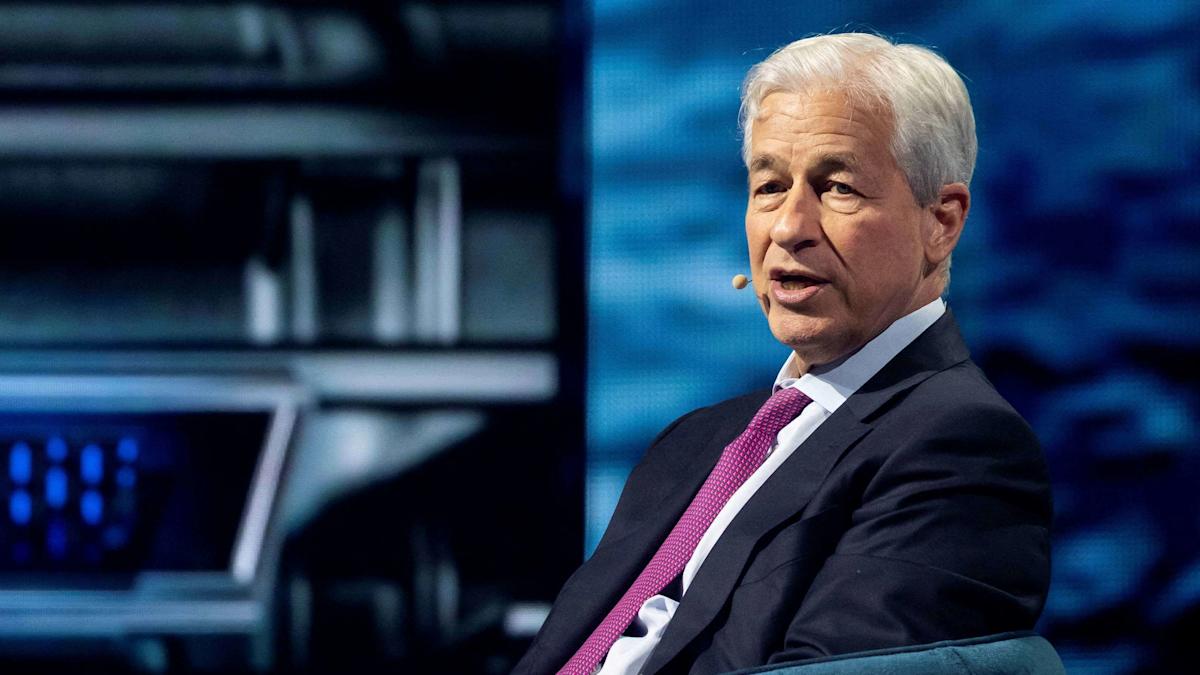
Concerns in Private Credit Sector Dismissed by JPMorgan’s CEO Jamie Dimon
During a recent earnings call, Jamie Dimon, the CEO of JPMorgan Chase (JPM), addressed concerns regarding the private credit sector, asserting that such worries are not “systemic”. He mentioned that the relatively small size of the industry in comparison to the broader market diminishes the likelihood of significant fallout, saying, “It almost can’t be systemic at that size relative to anything else.” Dimon further revealed he is “not particularly worried” about developments within this niche of finance.
The private credit industry, which has quickly expanded since the 2008 financial crisis, owes its growth to US banking reforms that have limited riskier lending practices. However, the past quarter has seen an uptick in investor redemption requests from private credit funds, leading some managers to impose withdrawal caps of 5%.
These pressures occur amid growing concerns that some private debt funds may have significant exposure to software companies potentially facing disruption from advances in artificial intelligence (AI). Notably, large banks like JPMorgan do not just act as lenders to these private funds but also manage their own investments in this area. JPMorgan itself has about $50 billion in exposure to private credit.
Other major banks shared their own exposures; for instance, Wells Fargo reported a $36 billion exposure to private credit firms, while Citigroup noted a $22 billion exposure without any losses recorded since the inception of their investments.
Big Players in Private Credit: BlackRock and Goldman Sachs
In a contrasting perspective, BlackRock (BLK) emphasised the opportunities available in the private credit market. During their earnings presentation, CEO Larry Fink announced that BlackRock experienced a significant $9 billion in net inflows during the last quarter, primarily driven by their private credit and infrastructure sectors. Fink stated that, despite prevailing headlines, the reality of client demand indicates structural growth in private credit, which plays an essential role in financial ecosystems. He also noted that institutional demand for private credit is “accelerating”.
Similarly, Goldman Sachs CEO David Solomon noted an optimistic outlook. Goldman’s private credit division, the Goldman Sachs Private Credit Corporation, managed to meet a redemption request rate of 4.9% without having to limit withdrawals—indicative of stability despite ongoing market fluctuations. Solomon reflected on the current noise around retail aspects but expressed confidence that their private debt business remains an attractive long-term platform.
Conclusion
While concerns about the private credit sector’s potential risks have been highlighted, leading figures from JPMorgan, BlackRock, and Goldman Sachs maintain a cautiously optimistic perspective. Dimon’s dismissal of systemic risks, combined with increasing institutional demand for private credit, suggests a resilient outlook for this segment of the financial market. As the industry continues to evolve, the ability of major financial institutions to navigate challenges and retain investor confidence remains crucial.