Rising Global Hunger Amid Middle East Tensions: Chef José Andrés Calls for Urgent Action
Chef José Andrés has raised alarm over the escalating global hunger crisis exacerbated by the ongoing US-Iran conflict. Speaking at the Semafor World Economy conference, Andrés highlighted the rise in food prices resulting from a combination of factors, notably significant surges in gas and fertiliser costs over the past six weeks.
He expressed concern that recent developments in the Strait of Hormuz are having, and will continue to have, detrimental effects on food pricing. "I’m very worried for a very bigger hunger problem towards the end of this year, beginning of 2027," he stated, underscoring the urgency of the situation.
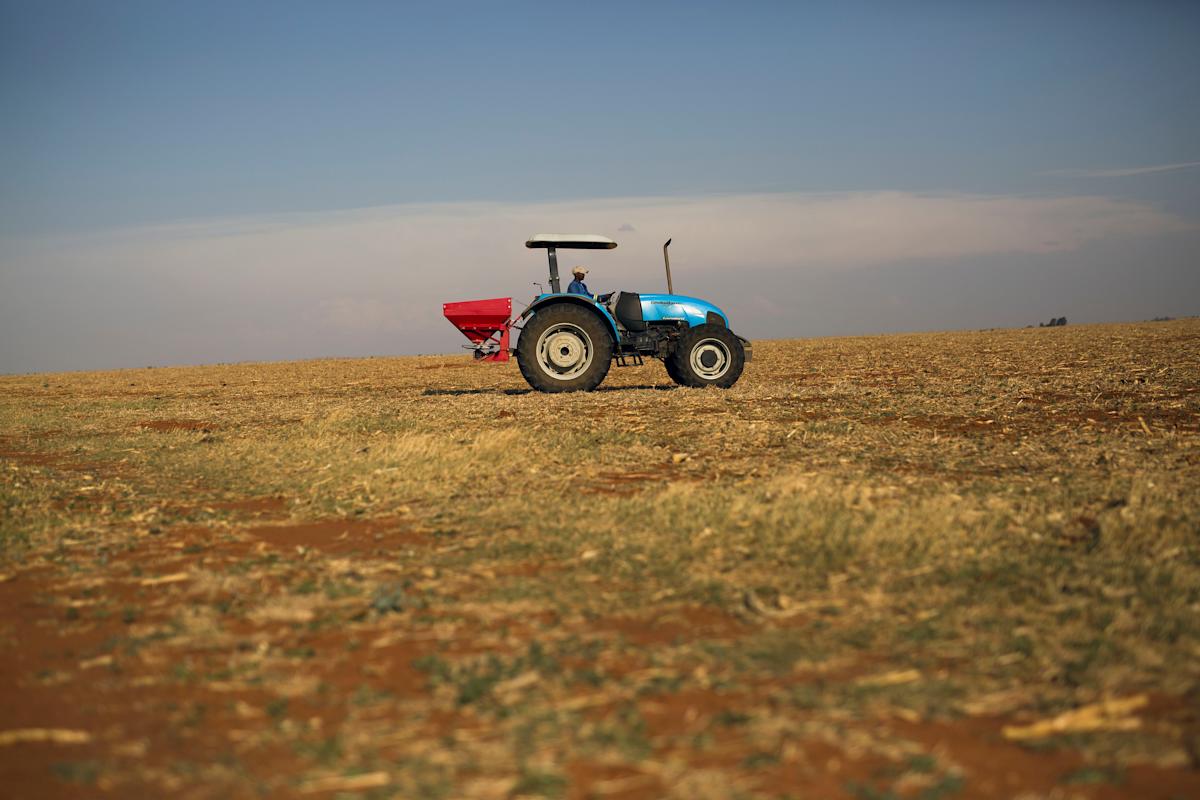
Since the conflict began on February 28, nitrogen fertiliser prices have skyrocketed by over 30%, thereby increasing operational costs for farmers. In parallel, gasoline prices in the United States have risen by an average of 40%, while diesel has surged by 50%, placing additional strain on the agricultural sector.
José Andrés, a renowned Spanish-American chef and humanitarian, is widely recognised for redefining modern culinary practices. After relocating to the US in 1991, he successfully popularised authentic Spanish tapas and founded the José Andrés Group, which boasts more than 40 restaurants. He is also the founder of World Central Kitchen, a nonprofit organisation dedicated to providing immediate food aid during humanitarian and climate crises.
His organisation has been instrumental in delivering over 313 million meals in Gaza since 2023, with ongoing relief efforts in both Ukraine and Lebanon.
The global hunger crisis was already precarious prior to the escalation of conflicts in the Middle East. The World Food Programme (WFP) has issued a stark warning that a record 363 million people are now at risk of acute hunger, with this alarming figure influenced by the compounding effects of climate shocks and the current geopolitical unrest.
As of early 2026, approximately 318 million individuals faced crisis-level food insecurity, a stark increase from pre-pandemic figures. The WFP has noted that the Middle East conflict has intensified this food crisis to an alarming degree. For the first time in this century, simultaneous famines have been confirmed in both Gaza and parts of Sudan, exacerbating an already dire situation.
Andrés emphasised the complexity of food production, stating, "Food is not something you can switch on overnight…it takes a long time to bring one seed from the ground to become food that can be used to feed humans." This remark reflects the profound challenges faced in addressing the hunger crisis, as long-term solutions are necessary to rebuild food systems impacted by both conflict and climate change.
In summary, the convergence of increasing food prices, geopolitical conflicts, and climate-related challenges significantly threatens global food security. As expert voices like Chef José Andrés echo these concerns, it becomes increasingly critical for both governments and organisations to address the root causes of hunger and work towards sustainable solutions that can provide relief to the millions at risk.
The need for immediate action and long-term strategies to combat hunger and food insecurity has never been more urgent.