Oil Prices Steady Amid Ongoing Middle East Negotiations
Oil prices experienced a slight uptick Thursday morning, maintaining stability as investors analyse ongoing diplomatic developments related to peace negotiations in the Middle East. Brent crude, the international benchmark, rose approximately 0.8% to settle above $95 per barrel, while West Texas Intermediate (WTI), the US benchmark, increased by around 0.6%, trading above $88 per barrel. Both benchmarks had opened the week above $100 per barrel.
Investor attention this week has been sharply focused on the possibility of second-round talks between the US and Iran, following a preliminary negotiation round that ended unsuccessfully in Islamabad, Pakistan. A lengthy 21-hour dialogue between representatives from Washington and Tehran saw no substantial agreement reached, prompting concerns about ongoing regional instability.
Reports indicate that the US and Iran are in indirect discussions to potentially extend a two-week ceasefire, which is set to expire on April 22. White House Press Secretary Karoline Levitt confirmed on Wednesday that the US remains actively involved in these negotiations.
In related news, former President Donald Trump suggested in an interview that the media should remain in Pakistan, hinting that significant developments could arise soon, and expressed optimism that the conflict could soon be resolved.
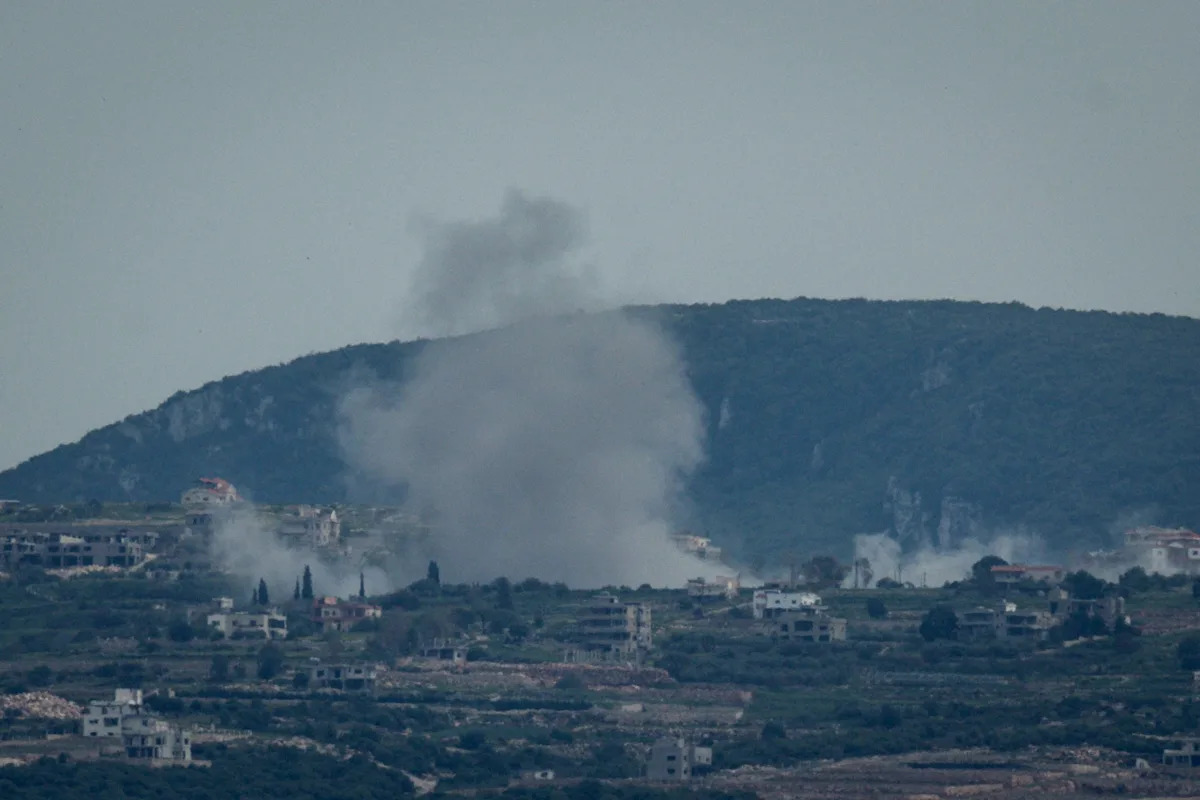
While no date for a second round of negotiations has yet been established, key issues remain unresolved, including Iran’s nuclear program, sanctions on Tehran, control over the Strait of Hormuz, and the ongoing conflict between Israel and Hezbollah in Lebanon.
Despite ongoing tensions, both the US and Iran have communicated intentions to maintain dialogue regarding these critical issues, with perceived shifts in attitudes toward reaching some form of agreement.
Pakistan, playing the role of mediator, has emphasised that a ceasefire in Lebanon is crucial for any deal between the US and Iran. In the Strait of Hormuz, US Navy operations have resulted in a significant decrease in maritime traffic, blocking nearly 1.5 million barrels per day of Iranian crude oil exports.
Reports indicate that approximately 13 vessels have turned back rather than challenge the blockade. An expanded US naval presence now includes measures to board and search ships suspected of carrying illicit cargo.
Chairman of the Joint Chiefs of Staff, Dan Caine, indicated that although Iran possesses an estimated 90 million barrels of crude oil in storage, allowing for a temporary halt in exports, the urgency for negotiations remains high as Iran seeks to propose measures that would allow ships to pass freely through Oman’s maritime territory, contingent upon a satisfactory ceasefire agreement.
Throughout the conflict, Iran has repeatedly asserted claims to control key shipping routes in the Strait of Hormuz, a crucial passage for global oil transit, indicating that negotiations regarding freedoms in this region are also pivotal to the ongoing discussions.
As the situation continues to evolve, both energy markets and regional geopolitical dynamics could be significantly impacted by the resolution—or lack thereof—of these negotiations. The outcomes will likely play a critical role in shaping market expectations and stock performance in the coming weeks.
Conclusion
The interplay of diplomatic developments and market reactions underscores the importance of closely monitoring these negotiations, as both parties navigate complex realities that could redefine stability in the region and beyond.