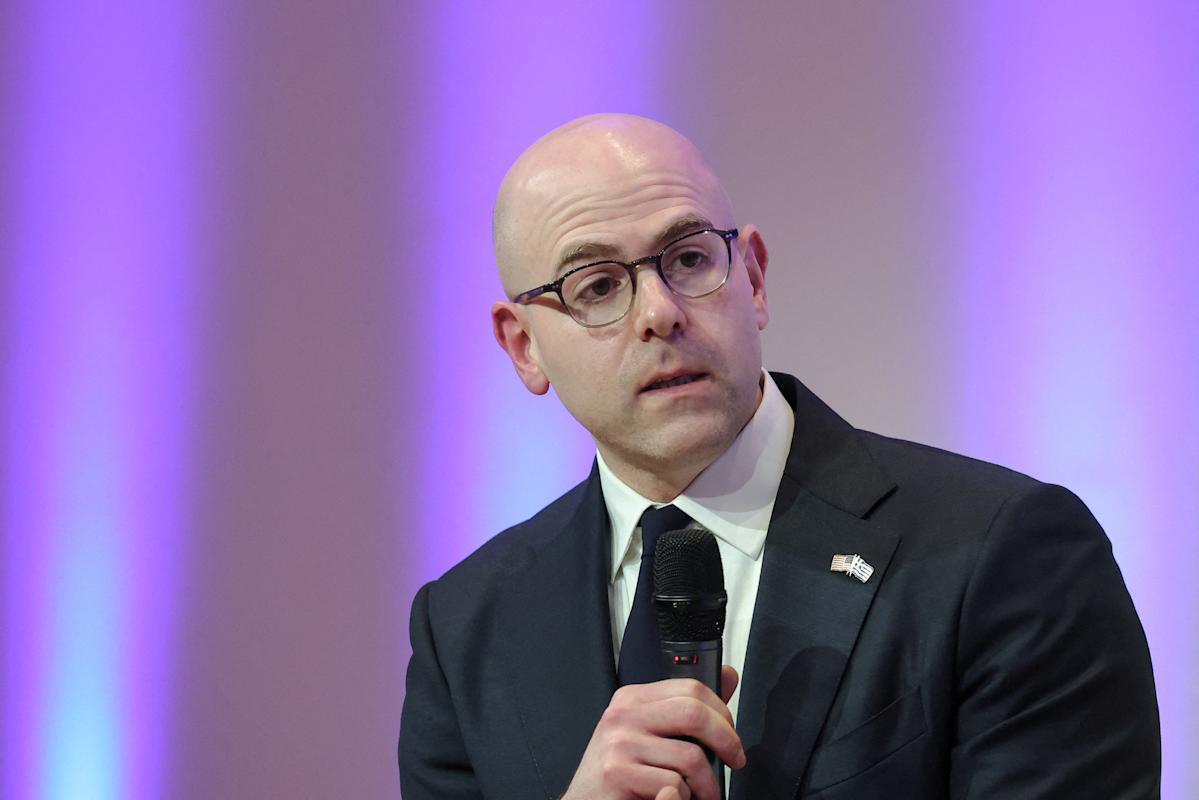
Federal Reserve’s Shift Amid Rising Inflation Concerns
On Thursday, Federal Reserve Governor Stephen Miran indicated a shift towards a more hawkish stance due to persistently high inflation, suggesting that the current economic environment warrants less supportive monetary policy than previously thought.
Miran noted that the inflation landscape has deteriorated since December, though he clarified that this was not primarily due to the conflict in Iran. Instead, it reflects trends observed prior to the outbreak of the war. He commented on the overall unfavourable composition of inflation, stating, "Some other sectors started contributing more, which makes it a bit more complicated than earlier in the year." This perspective was shared at the Washington Economic Festival.
Historically, Miran has been somewhat of an anomaly within the Fed since his appointment by President Trump last September. He has consistently advocated for more significant and frequent interest rate cuts. Currently, while market participants anticipate no rate cuts in 2026 and the Fed’s consensus supports a single cut, Miran has revised his outlook from four rate reductions this year down to three.
Despite a troubling inflation scenario, slightly improving job market indicators have also been highlighted by Miran. As a result of these mixed signals, he has shifted from supporting interest rates below neutral—defined as neither stimulating nor hindering economic growth—to a neutral stance. He believes that the latest data suggests interest rates should be maintained slightly below neutral. However, he ultimately opted for a neutral position considering the inherent risks on either side.
Miran declared that the Fed’s benchmark interest rate, currently positioned at 3.5%-3.75%, is approximately one percentage point above what he deems neutral. The unpredictability stemming from the Iran conflict has made him "a little less confident" in economic forecasts. "The energy shock runs the risk of making the gradual cooling trend in the job market less gradual," he warned.
Nevertheless, Miran does not anticipate a lasting influence on inflation due to rising energy prices. He elaborated that unless there is a foreseeable increase in price expectations over a 12 to 18-month horizon—post monetary policy lags—or a rise in wages, he remains unconvinced. The current state of the job market and lack of observed supply chain disruptions further diminish the likelihood of his intervention regarding rising energy costs.
In contrast, New York Fed president John Williams expressed that signs of energy price increases being absorbed into the economy are beginning to manifest. Although there’s no widespread, significant supply-chain disruption evident yet, Williams noted that surging energy prices are translating into increased costs across various consumer goods, including fuel, airfares, groceries, and fertiliser.
Reflecting on the implications of these energy developments, Miran acknowledged that they elevate the risks of future inflation—especially if the energy crisis persists or worsens. While he focuses on immediate data, he believes in setting future rates based on district economic expectations. Miran estimates that inflation could be at the Fed’s target of 2% within a year, supporting his call for cutting rates now.
In summary, the Fed is currently navigating a complex economic landscape marked by stubborn inflation and tentative improvements in the job market. Miran’s evolving stance illustrates the ongoing challenges central banks face in balancing growth support with inflation containment.
For the latest insights into economic indicators and their potential impact on investment strategies, readers are encouraged to stay informed about financial news.