Oil Prices Tumble as Iran Opens Strait of Hormuz Amid Ceasefire
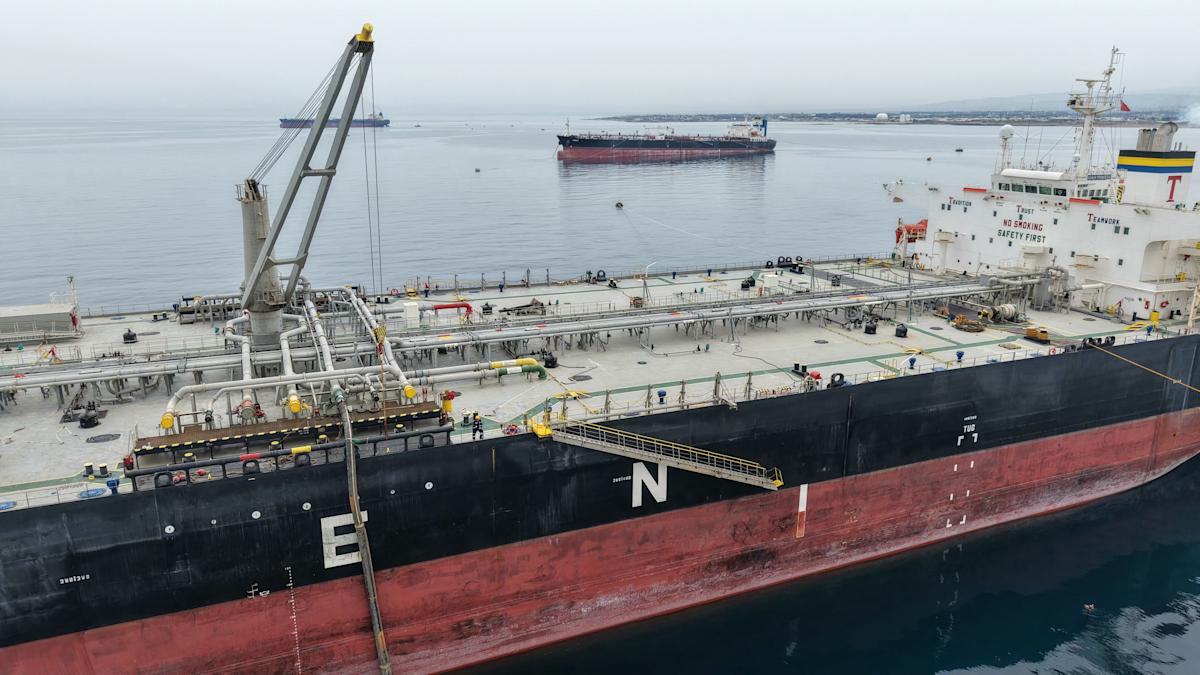
Oil prices experienced a sharp decline on Friday, following an announcement from Iran’s foreign minister, Abbas Araghchi, who confirmed that the Strait of Hormuz—the world’s vital artery for energy transport—would remain open to commercial shipping for the duration of a temporary ceasefire between Israel and Lebanon.
Brent crude futures, a global benchmark, plummeted by 10%, trading below $90 per barrel, while West Texas Intermediate (WTI), the US benchmark, fell by 10.5%, dipping under $82. Earlier in the week, both grades had been trading above $100.
In a post on X (formerly Twitter), Araghchi stated, "In line with the ceasefire in Lebanon, the passage for all commercial vessels through the Strait of Hormuz is declared completely open for the remaining period of ceasefire." He clarified that ships would need to follow a "coordinated route" as designated by the Iranian authorities.
Despite this announcement, industry analysts noted that uncertainties continued to loom for shipping companies. According to Iranian state media, any vessel intending to traverse the Strait must coordinate its passage with the Iranian Revolutionary Guard Corps (IRGC), leading to concerns over which specific routes would be acceptable. Historically, Iranian officials have suggested that vessels should travel close to their coastline.
Additionally, Iran had mentioned offering safe passage for ships in Omani waters, contingent upon an agreement for a firm ceasefire with the US.
Later, President Trump weighed in, suggesting via a post on Truth Social that while the Strait was "open and ready for business," the US naval blockade concerning Iran would remain intact until negotiations were fully resolved. His statement added layers of complexity for maritime operators attempting to navigate the evolving geopolitical landscape.
The ceasefire was agreed upon as part of a temporary halt to hostilities that began on Thursday at 5 PM ET, which eased tensions in the ongoing conflict affecting negotiations between the US and Iran. This development has significant implications, as the US and Israel’s military actions against Iranian targets have played a major role in escalating hostilities in the region.
Even while Iran has indicated that their agreements hinge on advancements in relations regarding the conflict with Israel, Israeli military actions against Hezbollah in Lebanon have continued unabated.
President Trump noted that discussions regarding a potential deal to end the war were "looking very good," with reports suggesting that new negotiations could commence over the weekend. This might include the US considering the release of $20 billion in frozen Iranian funds in exchange for Iran’s agreement to reduce its enriched uranium stockpile.
Despite optimistic signals from Trump about Iran’s purported concessions, such as limitations on their nuclear programme, foreign ministers have indicated that no dates have been set for new talks, and it could take several months to finalise any agreements.
As on-ground military operations persist and intricate negotiations unfold, the ongoing conflict continues to profoundly impact oil markets and broader economic discussions globally.
For further updates on market trends and comprehensive financial coverage, stay tuned to Yahoo Finance.