The AI sector has significantly propelled the stock market to unprecedented levels, despite ongoing geopolitical uncertainties, particularly in the Middle East. Concerns about potential supply shocks for commodities such as natural gas and helium have not significantly impacted major chip manufacturers or tech giants.
Since reaching a low on March 30, the iShares Semiconductor ETF (SOXX) has experienced a remarkable rebound, gaining over 30%. Stocks within the so-called “Magnificent Seven” — which includes Nvidia, Amazon, Alphabet, Meta, and Tesla — have also seen substantial double-digit increases. Even the iShares Expanded Tech-Software Sector ETF (IGV), which faced challenges in the past, has benefited from this upward trend.
### Volatile Oil Prices and Resilience in Tech
Oil prices have exhibited volatility since the commencement of the ongoing conflict, yet companies in the tech sector possess robust profit margins, allowing them to withstand elevated commodity costs associated with chip and server production. This stability extends to Asian markets that rely on energy imports from the Middle East.
Chetan Ahya, chief economist for Asia at Morgan Stanley, noted that businesses dependent on helium and sulfur are presently capable of absorbing increased costs. He stated that both South Korean and Taiwanese economies are witnessing substantial profits, enabling their firms to competitively bid on gas and chemical prices while maintaining production efficiency.
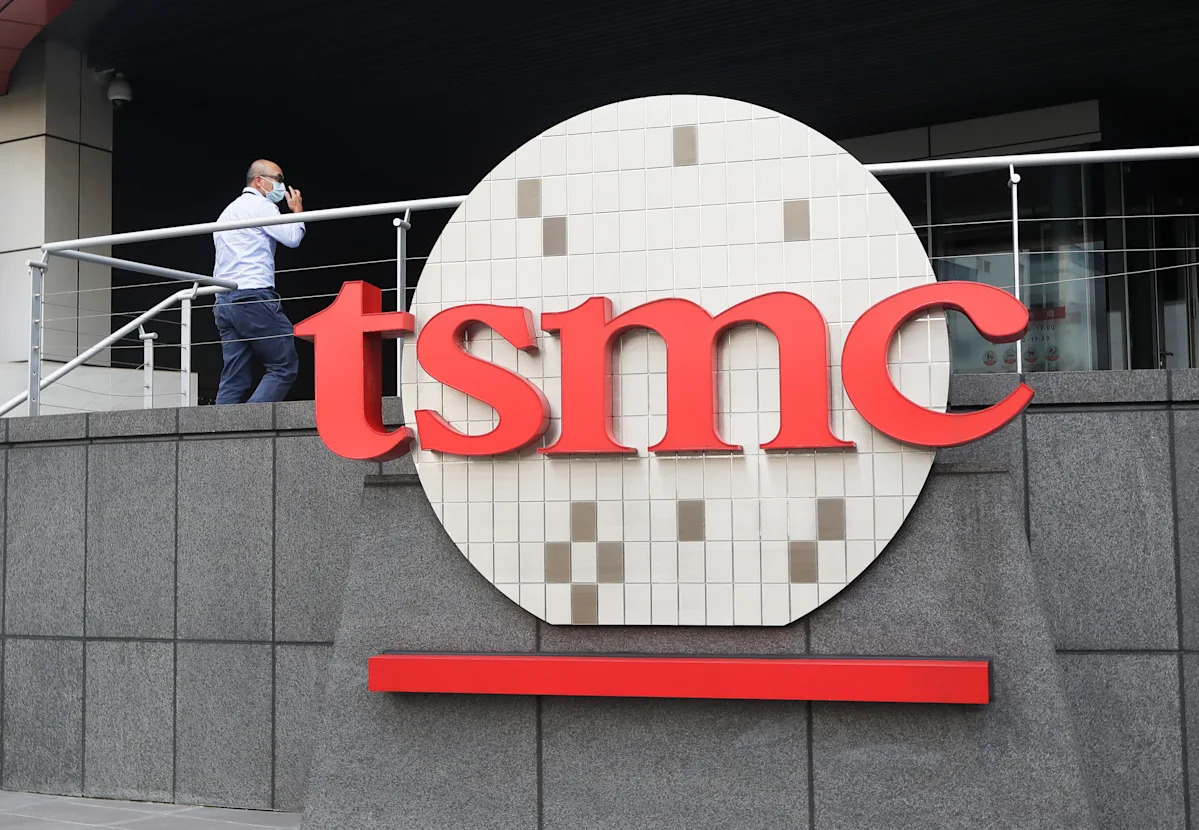
An example of this resilience can be seen in Taiwan Semiconductor (TSM), which announced during its earnings call that short-term operational disruptions are unlikely due to a strong supply chain for materials. CFO Wendell Huang indicated that they have diverse sources for specialty chemicals and gases and have secured safety stock to alleviate potential issues. The company is also collaborating with Taipower, alongside the Taiwanese government, to ensure a stable energy supply.
### Strategic Energy Procurement
The demand for reliable energy has led hyperscale companies to actively enter long-term power purchase agreements for renewable energy. These contracts are designed to lock in electricity prices for extended periods, typically between ten to twenty years, thereby protecting these companies from rising energy costs.
Morgan Stanley researchers have highlighted the implications of growing energy demand, suggesting it could spur the development of affordable energy solutions and technologies, such as carbon capture, energy storage, nuclear power, and grid optimisation.
### Future Prospects
According to analysis from Morgan Stanley, companies engaged in powering artificial intelligence technologies, natural gas, clean energy storage, nuclear energy, and carbon solutions could benefit significantly from this shift in demand and innovation within the energy sector. As the landscape of energy consumption evolves, these sectors will likely play critical roles in the technological and economic future.
In summary, while the geopolitical situation may cast shadows of uncertainty, the ongoing innovations and strategic actions in the tech and energy sectors are fostering resilience and growth, reinforcing the optimistic outlook for the market moving forward.