Table of Contents
SEC Enforcement Actions Decline Sparks Controversy
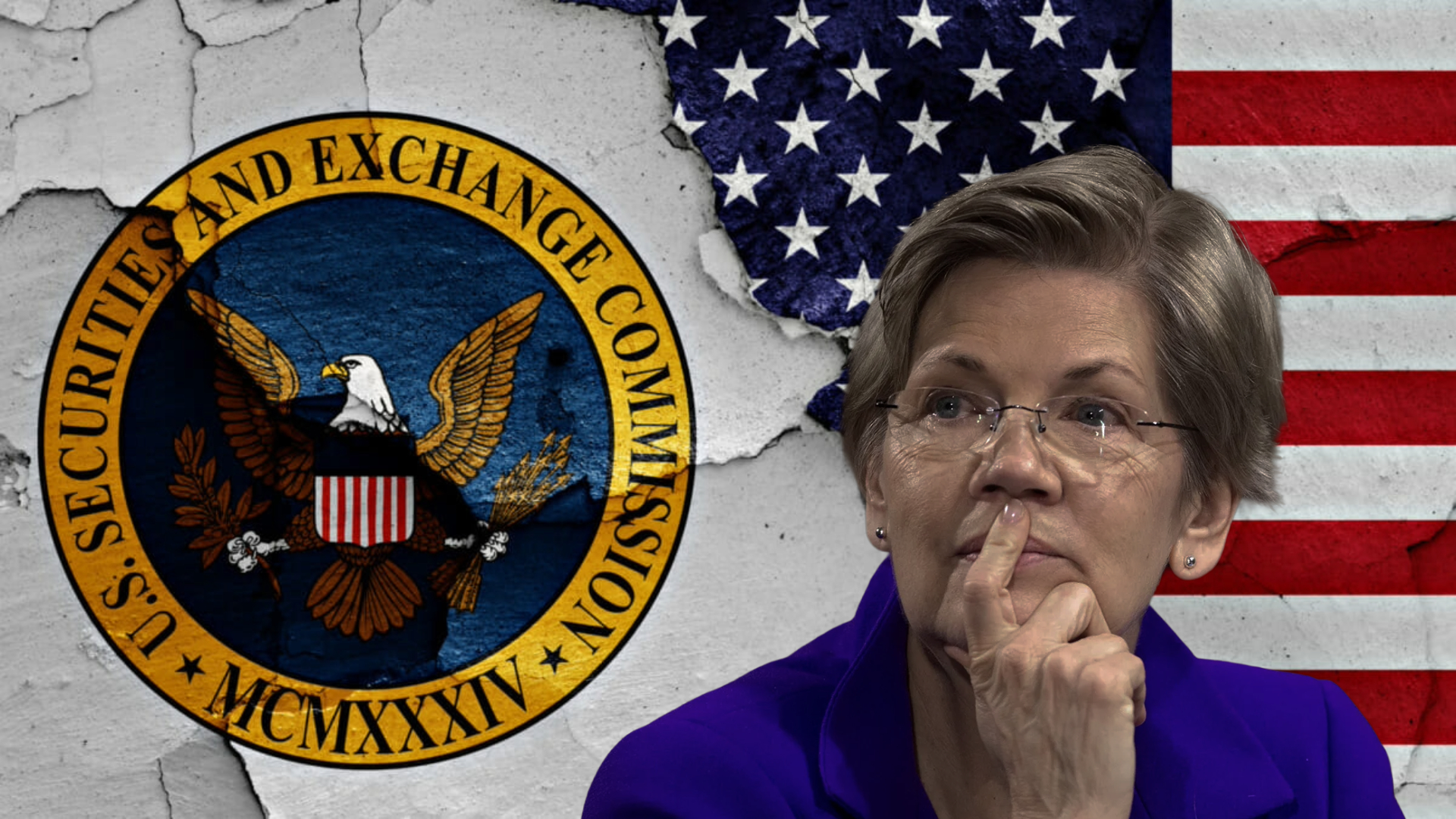
Senator Elizabeth Warren has expressed concerns regarding the recent decline in enforcement actions by the US Securities and Exchange Commission (SEC), questioning Chair Paul Atkins following the release of the fiscal 2025 enforcement data, which indicates the lowest levels in a decade.
Fiscal 2025 Enforcement Data Highlights
As per the SEC’s recent report, a total of 456 enforcement actions were recorded in fiscal 2025. This figure encompasses 303 standalone cases alongside 69 subsequent administrative proceedings. The agency ordered approximately US$17.9 billion (AU$25.1 billion) in monetary relief to be paid to investors, which included US$10.8 billion (AU$15.1 billion) in disgorgement and prejudgment interest as well as US$7.2 billion (AU$10.1 billion) in civil penalties.
Accusations of Regulatory Retreat
In her April 17 letter to Atkins, Warren’s office highlighted a significant 20% drop in enforcement activity under the Trump administration, marking the lowest level in over 20 years. She pointed out that the number of civil enforcement actions initiated in fiscal 2025 is the lowest it has been in the past decade, interpreting this as a signal that the SEC is retreating from its oversight responsibilities. The stark reduction has prevailed despite a period known for heightened enforcement against digital assets, and she called for clarification from Atkins by April 28. Warren also warned him of the serious repercussions if he has indeed misled Congress about the agency’s enforcement actions.
SEC’s Defence
In response, SEC Chair Paul Atkins clarified the agency’s shift in focus away from "regulation by enforcement." He indicated that resources would henceforth be redirected towards more serious issues, including fraud, market manipulation, and breaches of fiduciary duty, which are more directly harmful to investors. Additionally, SEC Commissioner Mark T. Uyeda supported this transitional phase, advocating a move back to traditional regulatory norms and distancing enforcement actions from policy-making.
The SEC’s report, despite the decline in the number of enforcement actions, demonstrated remarkable financial recoveries. The agency disclosed that around US$262 million (AU$366.8 million) was returned to harmed investors, complementing whistleblower awards which totalled approximately US$60 million (AU$84 million) across 48 individuals.
Conclusion
The discourse surrounding the SEC’s enforcement activities reflects a significant debate on regulatory practices and accountability within the agency. While the reduction in enforcement actions may suggest a less aggressive regulatory environment, SEC officials argue this is a deliberate strategic adjustment aimed at more efficiently addressing investor harm. As the SEC aligns its priorities under new leadership, the implications for market oversight and investor protection remain a critical topic of discussion among policymakers and stakeholders alike.
For further insights, stay tuned for updates on how these developments unfold in the realm of business and finance.