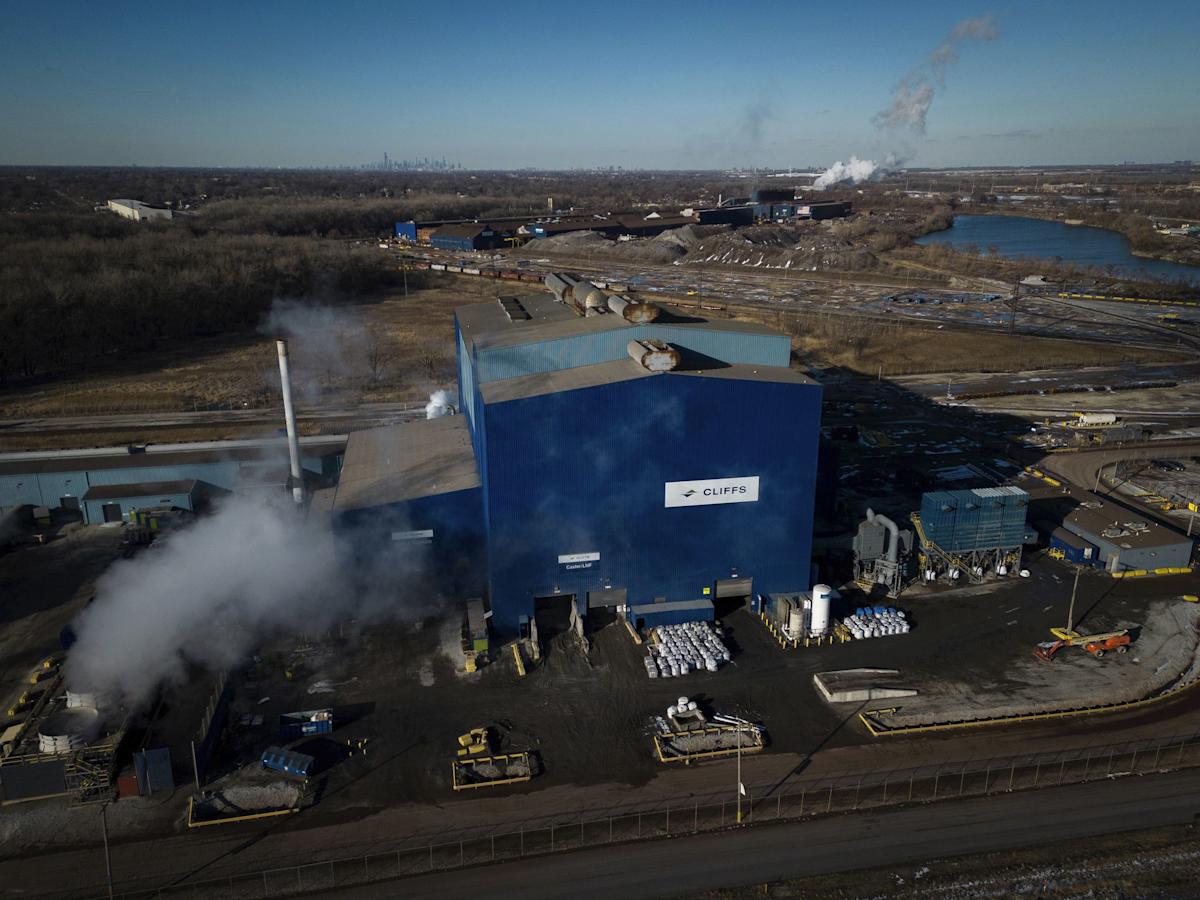
Cleveland-Cliffs Faces Stock Pressure Amid High Energy Costs
Cleveland-Cliffs Inc. (CLF) saw its stock price tumble by up to 11% on Monday, subsequently narrowing the decline to 3%. This drop came on the heels of the company’s announcement regarding surprising energy costs that reached $80 million in the first quarter of the year.
The spike in energy costs was attributed to an unusual cold snap that brought arctic temperatures across the United States. CEO Lourenco Goncalves explained that Cleveland-Cliffs usually secures natural gas prices three days prior to each month. Unfortunately, for February, this scheduling coincided with a peak in January’s pricing. While the prices for natural gas have decreased since then, the company is still grappling with increased expenses, particularly in fuel costs, which have surged due to turbulence in global energy markets caused by ongoing conflicts in Iran.
Despite these hurdles, Goncalves added that Cleveland-Cliffs is well-positioned due to a rise in steel prices and robust demand within the US automotive sector. Consequently, the company is "no longer in a hurry" to finalise a long-anticipated agreement with South Korea’s POSCO Holdings. Goncalves noted that the improved situation has altered their approach towards completing the deal. Initially expected to conclude in late 2025 or early 2026, this agreement will now be approached with more caution.
While higher energy costs and the postponed POSCO deal have overshadowed the company’s financial performance, Cleveland-Cliffs reported a narrower-than-expected loss for the quarter. The company recorded a loss of $0.42 per share, which was slightly better than analysts’ projections of $0.44. Additionally, the firm exceeded revenue expectations, generating $4.92 billion compared to the anticipated $4.79 billion.
In summary, Cleveland-Cliffs grapples with unforeseen energy expenditures while facing a fluctuating market dynamic. The company aims to navigate these challenges, with leadership expressing optimism about future opportunities in the steel and automotive markets.