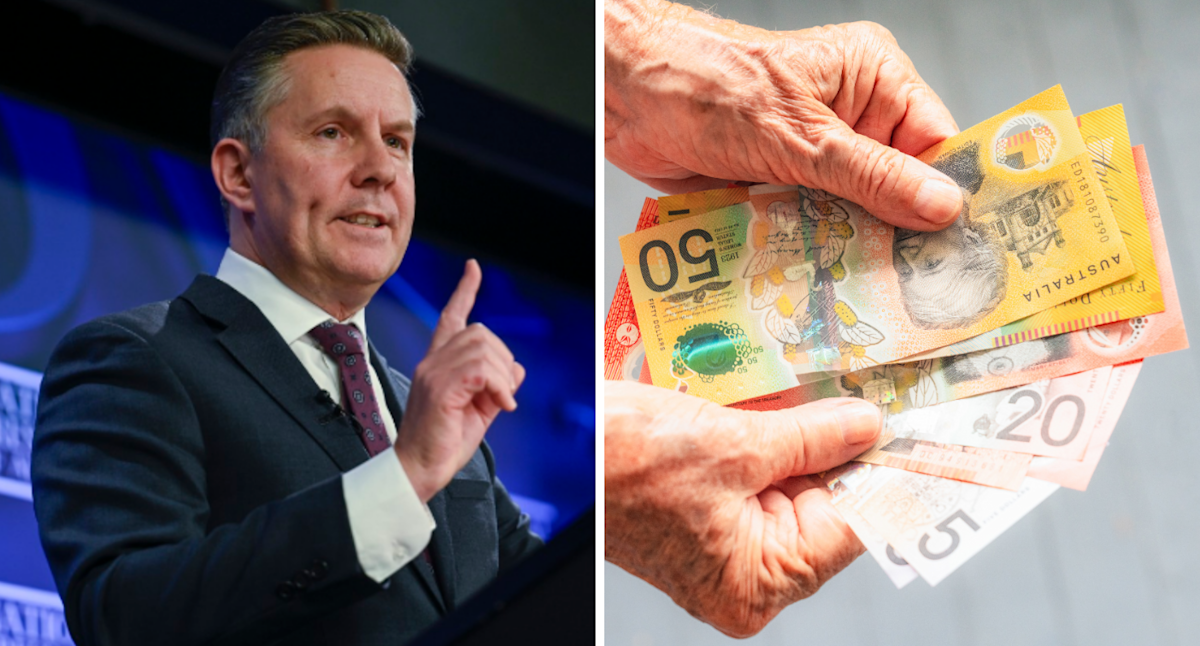
Government Cuts Private Health Insurance Rebates for Seniors
In a contentious decision, the Australian federal government has announced that over 1.4 million retirees and seniors will face increased private health insurance costs after the scrapping of the higher private health insurance rebate for individuals over 65. This change has sparked considerable alarm among seniors groups, with concerns that it could lead many to abandon their health insurance altogether.
Health Minister Mark Butler revealed that the revocation of the higher rebate is projected to save the government around $3 billion. This funding will be redirected towards enhancing aged care packages. The rebate, originally implemented during the Howard administration in 2004, provided seniors with up to 8% more than younger individuals earning similar incomes.
Butler defended the policy shift by stating that the rebate had become “harder to defend” in light of current economic conditions, which differ significantly from the era of revenue surges during the China boom. He commented, “I understand this won’t be a welcome decision for many, but it’s the right thing to do,” at a recent address at the National Press Club. This change is seen as an effort to establish fairer intergenerational equity within the rebate system, addressing concerns about the allocation of taxpayer funding.
Under the former system, Australians aged 65 to 69 received up to 28% of their health insurance premiums back, and those over 70 enjoyed rebates of up to 32%. In contrast, the new system will standardise the rebate across all age groups to a maximum of 24%, subject to income levels.
As part of the newly announced aged care package, the government plans to construct an additional 5,000 aged care beds each year, alongside a $1 billion investment to cover the full costs of necessary assistance for aged care clients. The package also includes over $200 million to enhance dementia care and support services.
However, the Private Healthcare Australia (PHA) industry group estimates that this policy will financially impact more than 1.4 million older Australians, costing them up to $640 annually based on their level of coverage. PHA CEO Rachel David acknowledged the decision’s likely disappointment among older Australians but noted that the adjustments are mainly targeted at wealthier seniors, who are less likely to drop their insurance.
National Seniors Australia CEO Chris Grice expressed deep concern, pointing out that many seniors who have been paying for private health insurance for decades may now find themselves unable to afford it at a crucial time in their lives. He warned that this shift could drastically reduce access to insurance for those on limited incomes. Grice referred to the change as potentially the "straw that breaks the camel’s back," signalling the burden of increasing living costs on seniors.
The decision follows an already significant increase in health insurance premiums, which rose by an average of 4.41% earlier this year. As private health insurance becomes one of the predominant cost-of-living concerns for seniors, many value the stability and control it offers, heightening the anxiety surrounding its affordability.
This moment marks a pivotal change in Australia’s approach to health policy for its aging population, reflecting broader economic pressures and a shift in government priorities. The impact of these reforms will likely resonate through the healthcare system and the lives of many older Australians.
This summary encapsulates the key points regarding the government’s decision on private health insurance rebates, while also maintaining the essence of the original report. Let me know if you need further tailoring or additional topics covered!