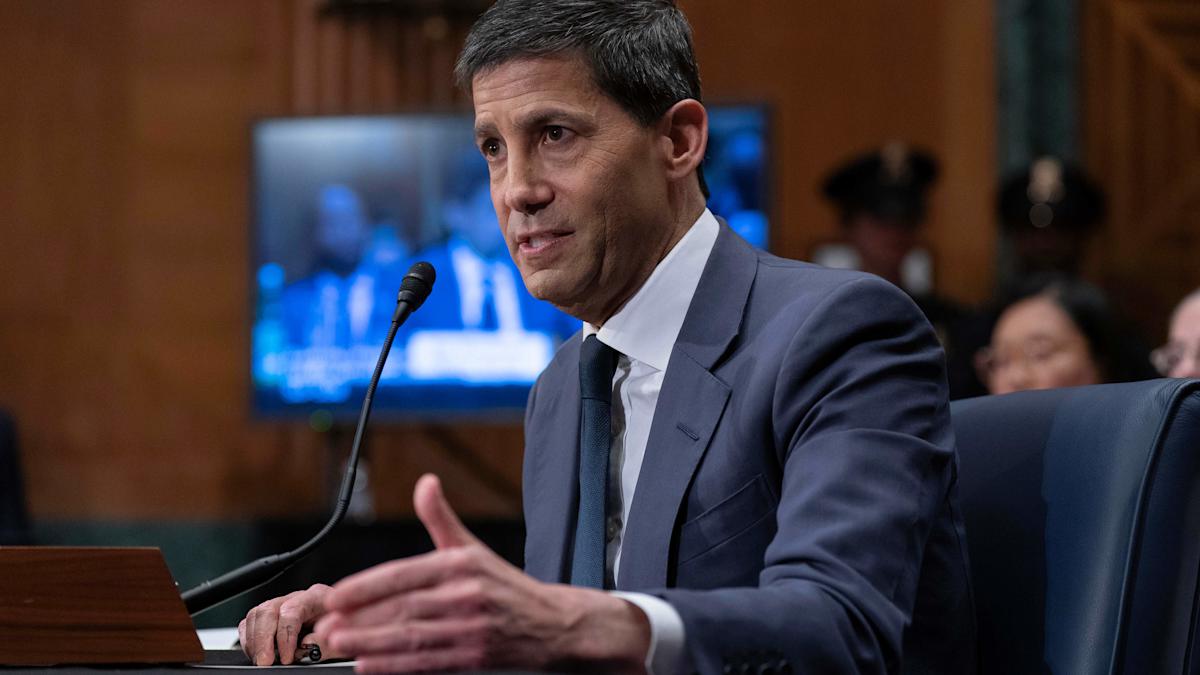
In a recent confirmation hearing, Kevin Warsh, the nominee for chair of the Federal Reserve under President Trump, proposed a transformative approach to assessing inflation. He stated that the Federal Reserve’s current method—primarily relying on the Personal Consumption Expenditures (PCE) index—offers a skewed understanding of inflation as it omits volatile components such as food and energy prices.
Warsh advocates for the inclusion of “trimmed averages” to better analyse inflation, which involves calculating means that discard extreme data points, thereby providing a clearer depiction of price movements. He noted that the trimmed mean PCE calculated by the Dallas Fed is currently at 2.3%, while the Cleveland Fed’s median PCE stands at 2.8%. In comparison, the core PCE index is higher at 3% and projected to rise further.
During the hearing, Loretta Mester, a former president of the Cleveland Fed, raised a cautionary note about using trimmed averages, suggesting they may possess a downward bias that could mislead policymakers. Mester expressed her belief that selecting certain inflation measures may not be the best practice, urging a balanced approach to monitoring various inflation indicators.
The significance of inflation trends is paramount in shaping monetary policy, as they dictate whether the Fed should increase interest rates to combat inflation or lower them to stimulate economic growth. Any fundamental changes in how the Fed gauges inflation could trigger substantial market reactions.
Krishna Guha, an economist at Evercore ISI, highlighted the delicate nature of Warsh’s approach, questioning whether he is adjusting targets or making a valid economic case by leaning on alternative metrics for inflation.
Aside from inflation measurement reforms, Warsh expressed his intention to evaluate a wide range of data sources from the Bureau of Labor Statistics and other private sector entities. He envisions a comprehensive assessment, potentially surveying a billion prices to ascertain median price changes more accurately.
Warsh also noted his desire to achieve a smaller Federal Reserve balance sheet, which he argues would enable lower interest rates and better control inflation. He believes that managing interest rates directly serves as a more effective mechanism for economic oversight than the balance sheet, which he claims disproportionately benefits individuals with financial assets.
Adjustments to the Fed’s balance sheet require consensus from the Federal Open Market Committee, emphasising the collaborative nature of policy changes within the organisation. Warsh’s proposals indicate a potential shift in the Fed’s approach to inflation and monetary policy, which could have far-reaching implications for the economy and financial markets.
For more insights and developments in the economic sphere, keen investors and interested parties are encouraged to stay updated with reliable financial news sources.