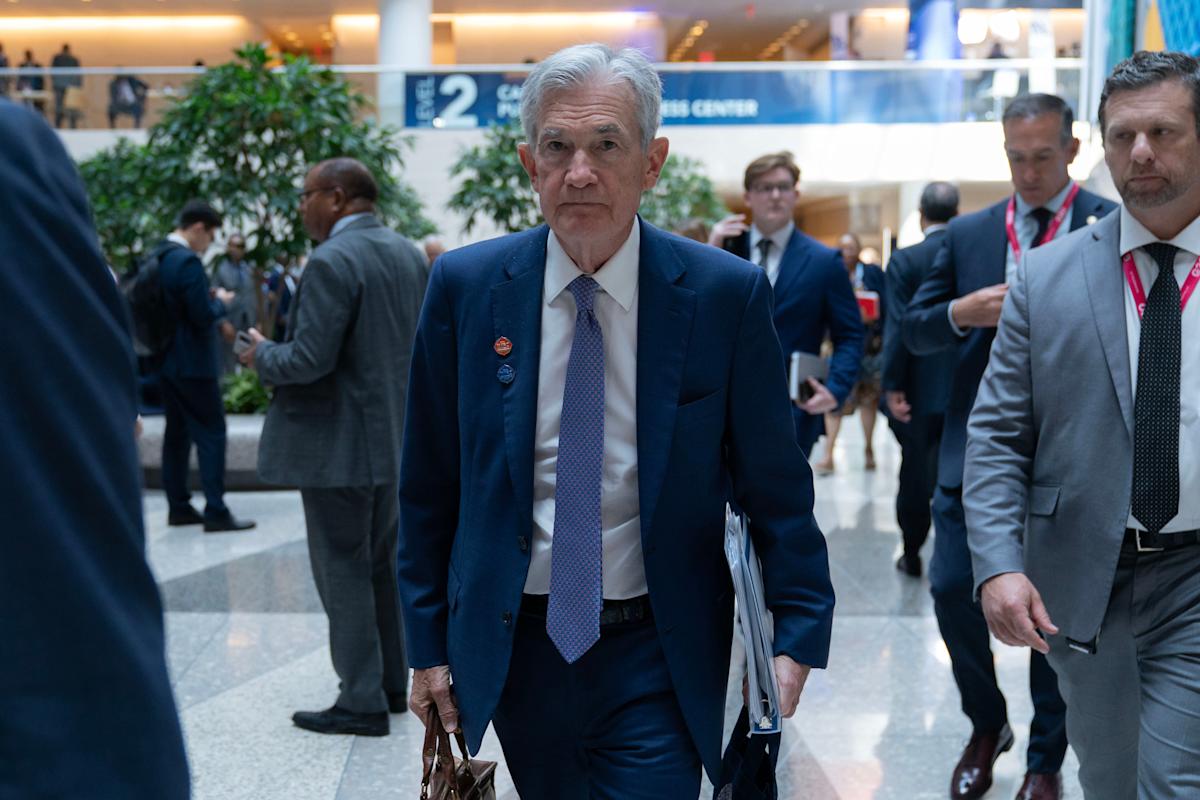
The Department of Justice (DOJ) has officially concluded its criminal investigation into Federal Reserve Chair Jerome Powell, alleviating a significant hurdle for Kevin Warsh, President Trump’s nominee to succeed Powell.
Jeanine Pirro, the U.S. Attorney for Washington, D.C., announced on Friday that her office will no longer pursue the inquiry, which was initiated in January. The investigation centered on allegations of Powell misleading Congress during his testimony last summer concerning cost overruns related to the renovation of the Federal Reserve’s headquarters. Pirro has decided to transfer the matter to the Federal Reserve’s internal watchdog, emphasising the need for accountability regarding the substantial taxpayer-funded cost overruns that total in the billions.
“The Inspector General for the Federal Reserve has been asked to examine these financial discrepancies. I expect a detailed report shortly to clarify the circumstances that led to this investigation,” Pirro stated, assuring that her office would reopen the criminal investigation if warranted by the facts.
The continuation of this investigation had obstructed Warsh’s confirmation process. Republican Senator Thom Tillis, a member of the Senate Banking Committee, had pledged to block Warsh’s appointment until the probe concluded. During a recent committee hearing, he labelled the investigation “bogus,” while still commending Warsh’s credentials for the role. Powell, meanwhile, indicated his willingness to remain in the position of chair pro tempore beyond the end of his current term on May 15, pending the investigation’s resolution.
RSM chief economist Joe Brusuelas summarised the situation, stating, “Jerome Powell stood tall. He stared down the president. The DOJ blinked.” He noted that the cessation of the investigation likely paves the way for Warsh to assume the role of Federal Reserve chair.
The matter of Federal Reserve independence continues to draw attention. President Trump has publicly pressured Powell since the beginning of his second term, consistently calling for lower interest rates. The Federal Reserve refrained from making changes to interest rates for much of last year, assessing the impact of Trump’s tariff policies on the wider economy. Despite three interest rate cuts delivered late in 2025, Trump remained unsatisfied and threatened consequences for Powell, including termination.
In a separate incident, Trump dismissed Fed governor Lisa Cook due to allegations related to mortgage fraud, a case currently pending before the U.S. Supreme Court. This wave of actions from Trump has thrust the issue of central bank autonomy into the spotlight.
However, the recent developments may not fully address concerns regarding independence. During questioning by Senator Elizabeth Warren, Warsh refrained from directly stating whether Trump had lost the 2020 election—an indication of his potential allegiance to the President. Warren deemed this evasion troubling, highlighting her belief that the dismissal of the DOJ investigation serves as a strategy to facilitate the Senate’s approval of Warsh, whom she described as “President Trump’s sock puppet.”
Additionally, Warren has pointed out that while the DOJ may have dropped its investigation into Powell, it continues its probe into Cook, raising questions about the consistency and motivations behind these judicial actions.
As developments unfold, the implications of these events on the future of both the Federal Reserve and its independence remain to be seen.