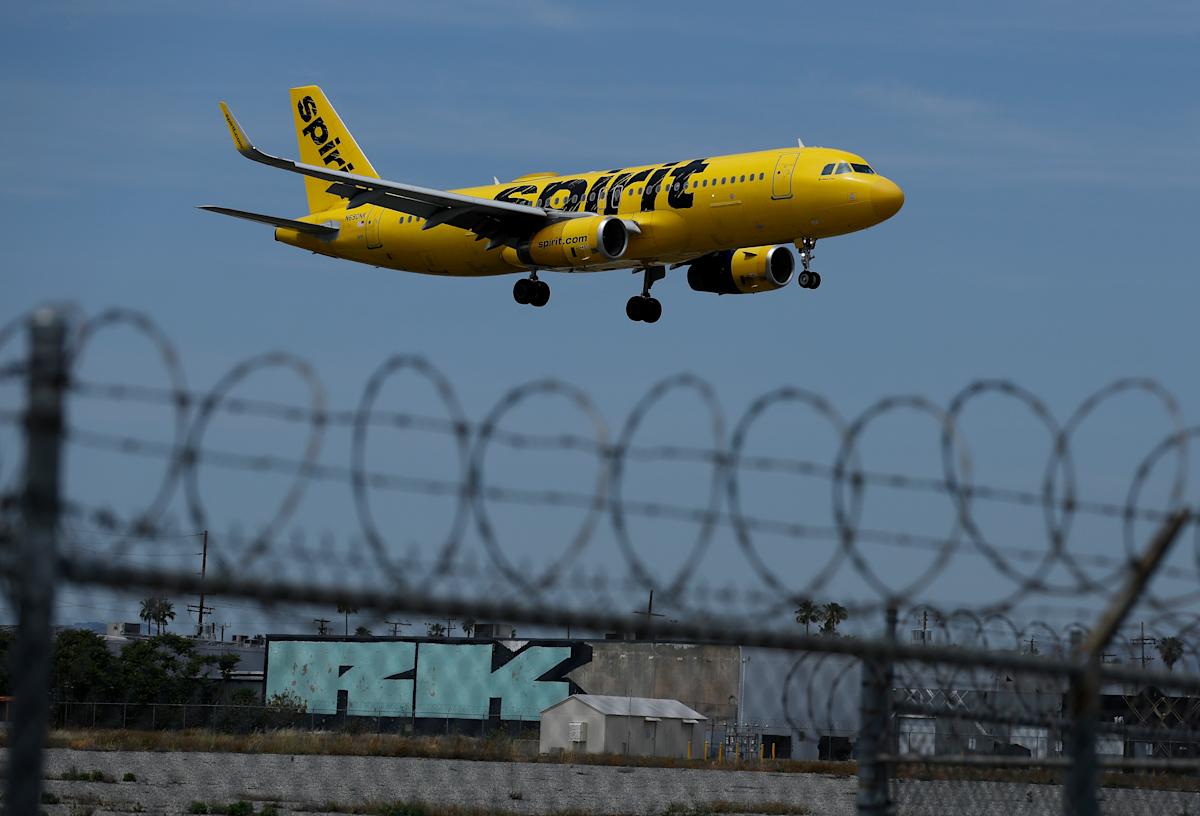
A significant wave of skepticism has emerged from Republican figures, including four senators, a Cabinet member, and former Vice President Mike Pence, regarding President Trump’s proposal to acquire the struggling Spirit Airlines. Criticism peaked when Senator Ted Cruz from Texas tweeted, “This is an absolutely TERRIBLE idea,” asserting that government intervention in managing a struggling budget airline is misplaced.
Internal doubts have surfaced within Trump’s administration as well. Transportation Secretary Sean Duffy, a key player in the potential transaction, expressed hesitation, noting that investing in a failing airline could involve “putting good money after bad.” He questioned the rationale behind a government purchase, stating, “If no one else wants to buy them, why should we?”
Despite this opposition, President Trump has reiterated his interest in proceeding with the acquisition. During a recent event, he suggested that a government purchase could be profitable and hinted that he has a candidate ready to manage the airline, which is on the brink of bankruptcy and liquidation. Trump cited the airline’s “valuable assets” and speculated on future profits linked to a decrease in oil prices.
The President’s determination may also be influenced by the government’s recent investment in Intel, from which they acquired a 10% stake last year. Following a surge in Intel’s stock, that investment is now estimated to be worth around $25 billion, serving as a favourable precedent for Trump to advocate government involvement once again.
Despite the President’s enthusiasm, many in his party are unconvinced. Senators like Tom Cotton (Arkansas), Ted Budd (North Carolina), and Mike Lee (Utah) have all voiced their disapproval of the plan while maintaining their support for Trump on other issues. Cotton remarked that the initiative was “not the best use of taxpayer dollars,” echoing a widespread sentiment amongst GOP members. Pence also expressed his dissent, urging conservatives to oppose the acquisition.
Democratic lawmakers, including Elizabeth Warren and Ted Lieu, have voiced their disapproval, but the notable criticism from within Trump’s own party stands out significantly. The Wall Street Journal’s editorial board deemed the proposal as “misconceived government intervention,” while Steve Forbes remarked that the idea “should be grounded.”
Even former Georgia Representative Marjorie Taylor Greene, who has distanced herself from Trump on various topics, slammed the proposal as “absolutely UNREAL” and contrary to what Americans voted for.
Overall, it appears that President Trump’s ambition to take over Spirit Airlines faces considerable bipartisan scrutiny, with many questioning the viability and rationale behind such a government intervention in the airline industry.