Table of Contents
Understanding the Dynamic of US Consumer Behaviour Amid Economic Strains
The landscape of consumer behaviour in the United States seems to be shifting dramatically, and it’s leaving many, including business leaders and analysts, feeling perplexed. On one hand, we see stark indicators pointing to a decline in consumer confidence; on the other, certain sectors report continued spending. This contradiction raises vital questions about the future of consumer spending habits in the face of rising costs.
Current Consumer Sentiment
Recently, the University of Michigan’s Consumer Sentiment Index reported a sharp decline to 47.6, marking an 11% drop since March and the lowest point recorded in the survey’s history of 74 years. This statistic dips below even the worst levels seen during the 2008 financial crisis and the inflation shock of the 1980s. The decline in optimism about the economy has been widespread, cutting across demographic lines, including age, income, and political affiliation.
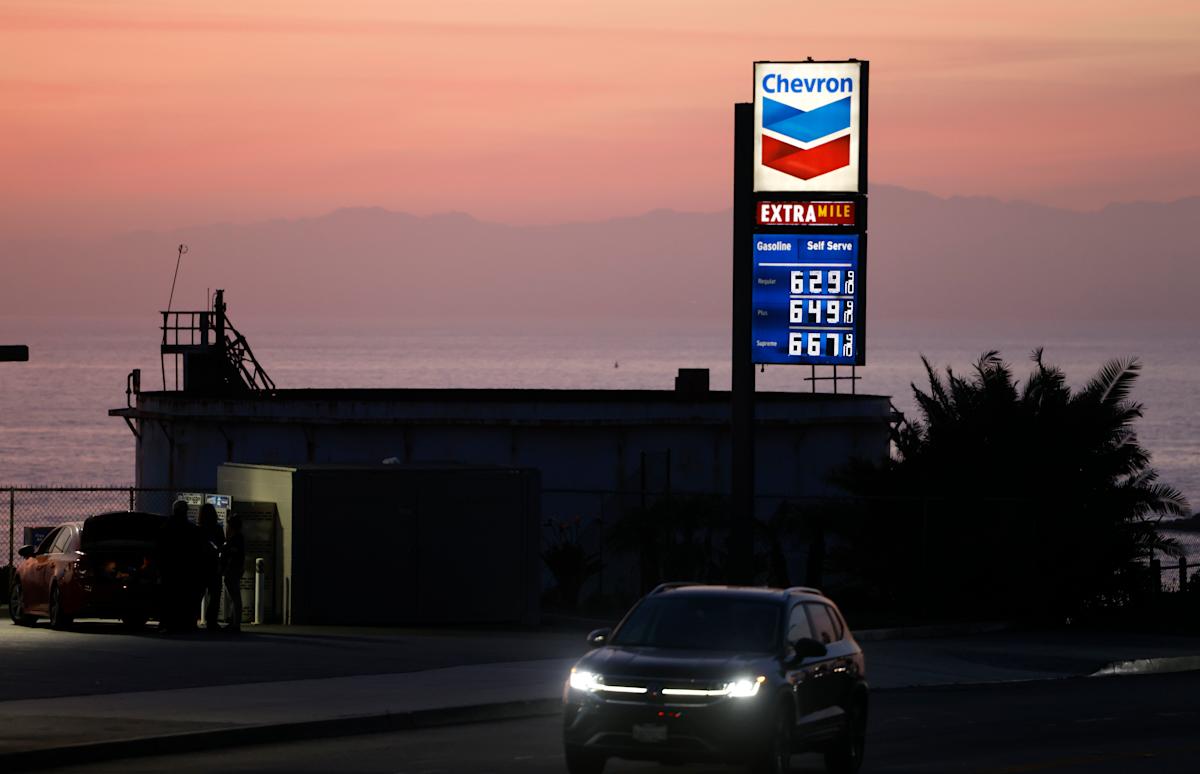
This dip in sentiment ties closely to surging costs, especially as gas prices have soared due to geopolitical tensions, such as the Iran conflict. Inflation expectations for the upcoming year have jumped to 4.8%, the largest monthly increase in over a year, signalling deeper concerns about purchasing power.
Expert Insights on Consumer Behaviour
Goldman Sachs strategist Ronnie Walker has expressed significant concern over the outlook for consumer spending. Walker highlights that the initial optimism for a robust year in consumer expenditure has waned, stating that weak real consumption growth is expected in the coming months. He pointed out that gasoline prices have increased nearly 40% since the onset of the current conflict, equating to a roughly $140 billion annualised hit to household incomes.
Walker emphasised that low-income households feel the impact of rising fuel prices most acutely, spending about four times more on gas relative to their after-tax income compared to wealthier families. This strain on finances is likely to restrict discretionary spending in areas like dining out and recreational activities.
Contradictory Signals in Retail Spending
Despite the troubling consumer sentiment, there are notable positives in recent retail sales data. March saw an increase in spending on non-fuel products, with core retail sales (excluding food services, autos, building materials, and gas station sales) experiencing the most substantial rise since August. Year-over-year, this growth rate improved from 4.2% in February to 4.6%.
Prominent CEOs have provided insights into their companies’ performance and consumer trends. American Express CEO Stephen Squeri noted that while they don’t represent the overall economy, their premium consumer base continues to spend robustly on dining, travel, and lodging, with advanced bookings serving as a key indicator of ongoing expenditure.
Similarly, PepsiCo CEO Ramon Laguarta reported an uptick in demand for their lower-priced snacks, while Ulta Beauty’s CEO Kecia Steelman shared that consumers are maintaining their beauty routines and not downgrading their purchases due to gas price increases. Steelman highlighted that 95% of their sales come through their loyalty programme, reflecting consumer confidence in preserving their self-care routines.
The Dichotomy of Consumer Experiences
This duality in consumer behaviour raises questions about the accuracy of generalising consumer sentiment as reflective of broader economic realities. While many households are tightening belts amidst rising costs, others remain buoyant, signalling a possible bifurcation in consumer behaviour based on income levels and spending power.
Conclusion
The current economic climate presents a complex mixture of challenges and resilience concerning US consumer behaviour. While the prevailing mood appears ominous, marked by declining confidence and rising costs, there are sectors and demographics that continue to demonstrate strength and adaptability in their spending habits.
As analysts and business leaders seek to understand and navigate these trends, they must consider the nuanced experiences of different consumer segments. Engaging with these insights can provide a clearer picture of the evolving economic landscape and allow businesses to tailor their strategies effectively in a fluctuating market.
For more insights on market trends and US consumer behavior, feel free to reach out via social media.