Table of Contents
Air Travel Industry Signals Economic Caution
Recent data from Bank of America has raised concerns regarding the air travel industry, a traditional barometer for economic health. The onset of Operation Epic Fury has led to a notable decline in air travel demand, as evidenced by diminishing traffic levels that have dipped below those projected for 2024 and 2025. Analysts suggest that higher airfares, compounded by increased baggage fees, are discouraging consumers from flying.
Air Travel Demand Declines
According to BofA economist Aditya Bhave, the downturn in air travel can be attributed to heightened airfares resulting from ongoing geopolitical tensions, specifically the Iran conflict. With consumers generally booking flights approximately six weeks in advance, these unsettling external factors seem to dampen confidence. One significant contributor to this trend is the surge in reports regarding long security queues and flight delays, likely stemming from disruptions within the Transportation Security Administration (TSA). As a result, discretionary spending in sectors such as leisure travel could see a noticeable decline through April after an impressive March.
Rising Costs and Consumer Impact
The economic pressures are palpable across the aviation sector, particularly concerning jet fuel prices, which account for roughly 25% to 30% of airline operational costs. Since the outbreak of the Iran conflict in late February, jet fuel prices have spiked sharply. As of mid-April, the average cost of a round-trip domestic flight has soared by 18%, now averaging AUD 530 (USD 358). International flights are also bearing the brunt, with average round-trip fares rising by AUD 170 (USD 115) to AUD 1,645 (USD 1,064).
Commentary from Delta Airlines CEO Ed Bastian underscores the industry’s response to these rising operational costs. On a recent earnings call, he indicated that the airline would be cautious about lowering fares even if fuel prices were to drop, aiming instead to maintain the pricing power garnered during the conflict. Furthermore, Delta has instituted increases in baggage fees, with charges for checked bags rising significantly.
Observations from the Field
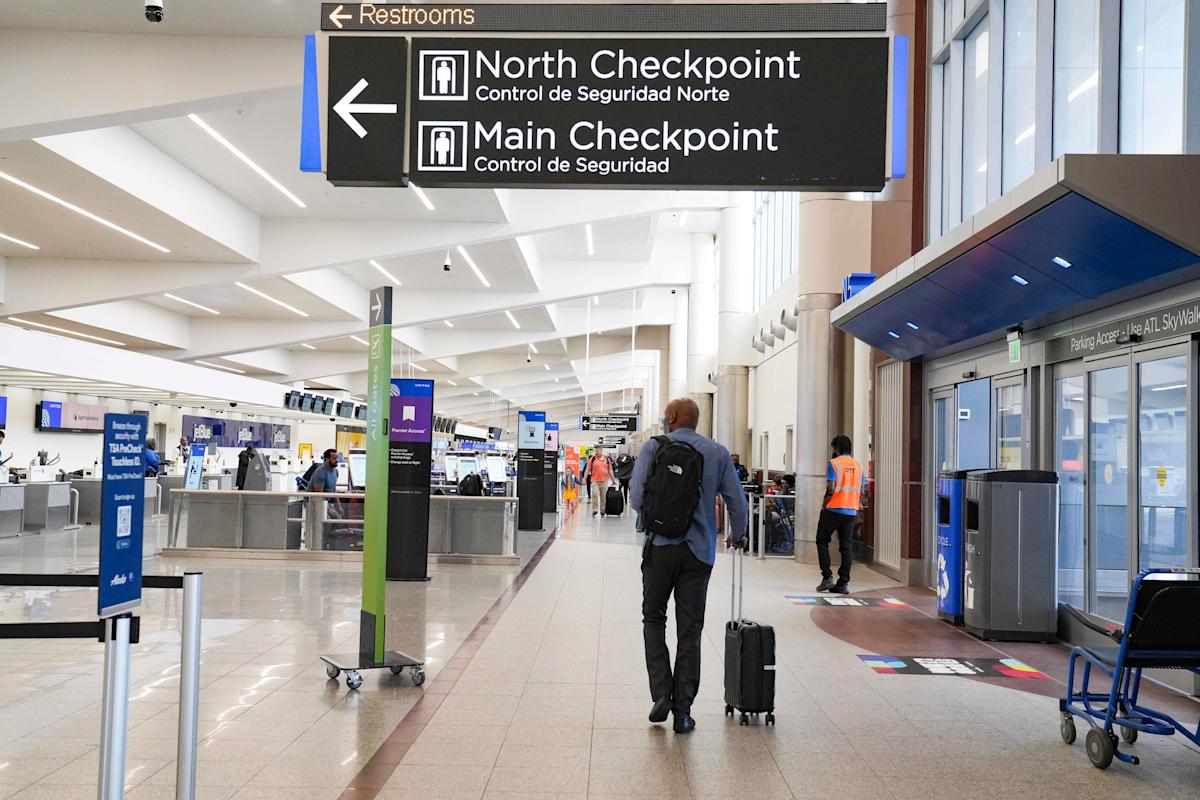
The atmosphere at airports, such as Atlanta’s Hartsfield-Jackson International Airport, reflects these emerging challenges. Despite previous crowd levels, recent weeks have shown minimal wait times, which raises questions about consumer willingness to travel amidst rising costs and ongoing uncertainty. The broader implications suggest a potential slowdown in consumer spending, as individuals reassess their travel budgets in light of persistent inflation.
Conclusion: A Watchful Eye on Consumer Behaviour
Despite the economy showcasing resilience, particularly with a strong stock market performance, the pressure from escalating prices is a significant factor that could influence consumer spending. As consumers become more wary, we may see a trend towards reduced discretionary expenditures, especially in travel, until more favourable conditions and pricing return.
In summary, the air travel landscape is undergoing a transformation driven by economic pressures and consumer sentiment. Observers should refine their focus on upcoming economic data for signs of a shift in consumer spending habits that could indicate a broader economic recalibration.
For ongoing developments and expert analyses, follow Brian Sozzi, Yahoo Finance’s Executive Editor, on his social media platforms for insights into the changing dynamics of the market.