Apple Struggles to Meet Demand Amid Surge in AI Interest for Macs
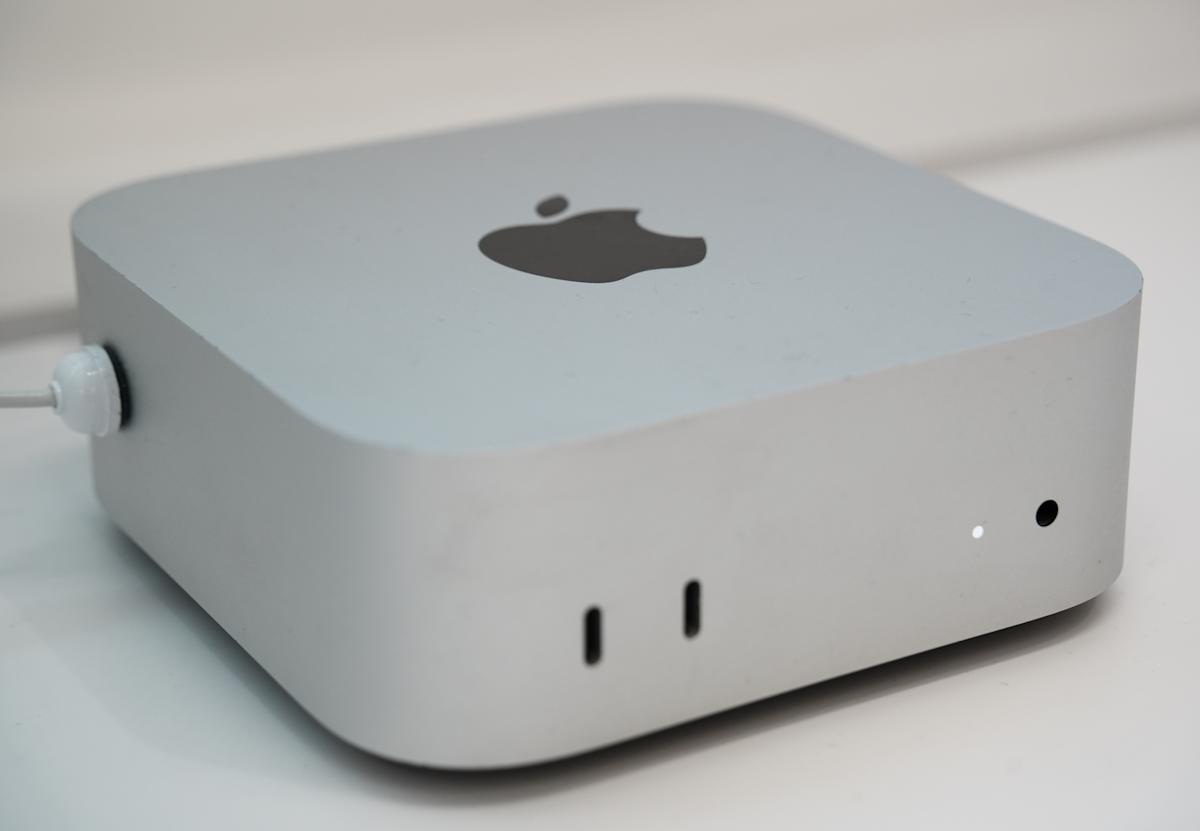
Apple Inc. is currently facing challenges in satisfying the increasing demand for its Mac mini and Mac Studio models, particularly stemming from their popularity among AI developers. As the tech industry witnesses a surge in the use of AI applications, Apple’s CEO Tim Cook revealed during the company’s Q2 earnings call that the high demand for these products is outpacing Apple’s ability to supply them effectively.
The Rise of OpenClaw
The Mac mini and Mac Studio have garnered significant attention as preferred hardware platforms for running OpenClaw, an AI agent platform lauded for its ability to operate on users’ desktops using personal data. The appeal lies in the flexibility these devices offer, allowing users to customise their experiences and delegate tasks effectively to AI agents. Consequently, developers and AI enthusiasts have been rapidly purchasing these models, compounding supply issues for other potential customers.
Cook commented, “Both the Mac Mini and the Mac Studio are amazing platforms for AI and agentic tools. Customer recognition of this is happening at a faster rate than we predicted, leading to demand that surpasses expectations.” He also indicated that it may take several months before supply aligns with customer demand.
Financial Performance and Industry Trends
In the second quarter alone, Apple’s Mac revenue climbed to $8.39 billion, a rise from $7.94 billion during the same period the previous year. However, the broader computer industry is grappling with memory shortages amid rising costs linked to the global AI data centre expansion. Cook noted that the ramifications of increased memory costs would become pronounced in the subsequent quarters.
“I can tell you that beyond the June quarter, we believe memory costs will increasingly impact our business, and we’ll continue evaluating this. We will explore a range of options,” he detailed.
Market research firm International Data Corporation (IDC) has projected a decline of 11.3% in PC shipments by 2026 due to ongoing memory shortages. Meanwhile, Cook also acknowledged that Apple’s iPhone faces its own supply constraints, attributed not to memory, but rather to the advanced processor technologies required for its A-series chips.
Broader market sentiments reflect a slowdown, as IDC reported a 4.1% decrease in global smartphone shipments, totalling 289.7 million units in the first quarter, marking the end of a 10-quarter growth streak. Notably, premium devices like the iPhone are expected to remain somewhat insulated from the impacts of declining demand.
Conclusion
As Apple navigates through these challenges, its focus on balancing supply and demand will be crucial, particularly for its AI-capable devices that have rapidly gained traction among developers. The market’s shifts and emerging trends in AI technology are reshaping the landscape, presenting both opportunities and obstacles for leading companies like Apple. For now, the demand for Mac products remains robust, signalling a promising yet cautious future for the tech giant.
For further updates and insights on Apple’s performance and the broader tech impacts, stay connected with Yahoo Finance.