The latest data on the Federal Reserve’s preferred inflation measure indicates that rising energy prices have contributed significantly to overall inflation, prompting the central bank to maintain its current interest rates. According to the Personal Consumption Expenditures (PCE) index, inflation saw an increase of 3.5% in March on a headline basis, aligning with market expectations. This is a substantial jump from February’s rate of 2.8%, prior to the escalation of conflict in Iran. On a core basis, where food and energy prices are excluded, inflation rose to 3.2%, up from 3% in February, demonstrating persistent inflationary pressure.
This latest inflation reading underscores a concerning trend, as inflation exceeds the Federal Reserve’s 2% target by over one percentage point. Heather Long, Chief Economist at Navy Federal Credit Union, attributed this inflationary spike directly to the ongoing conflict in Iran, suggesting that the situation may worsen in the coming months, particularly in April and May.
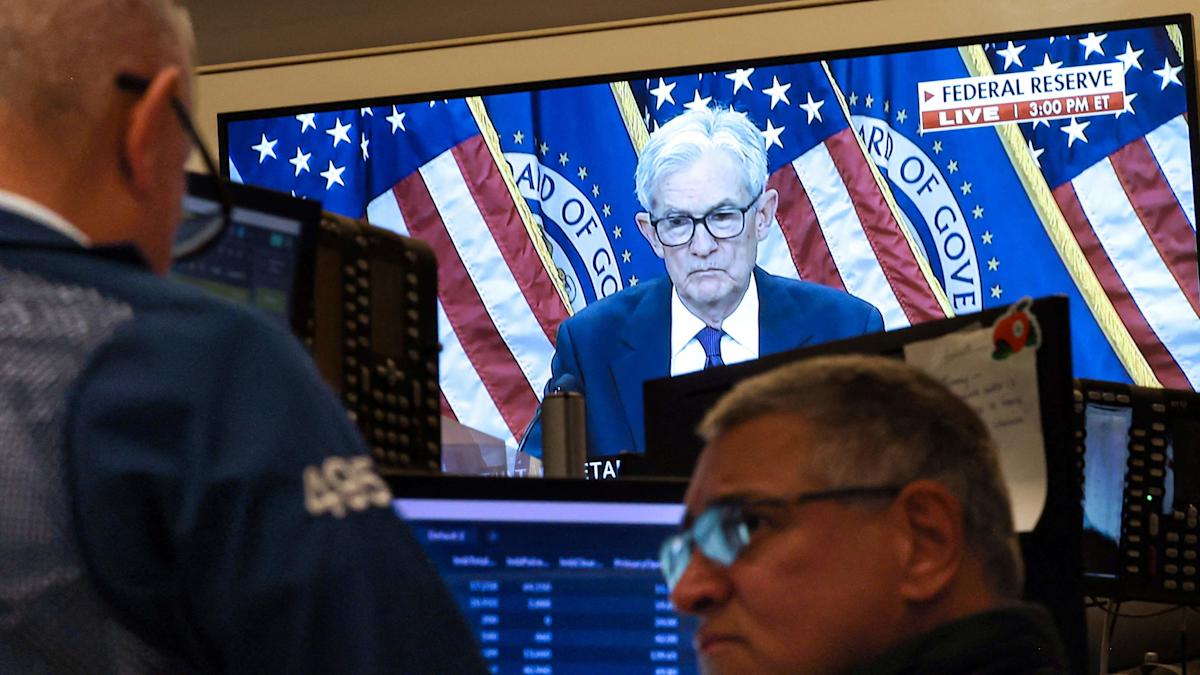
The Federal Reserve’s recent policy meeting highlighted significant internal divisions, particularly around its current “easing bias.” Three voting members opposed the language in the policy statement that hinted at possible future rate cuts. Outgoing Fed Chair Jerome Powell noted the potential risk of recent higher fuel prices influencing core inflation, but he insisted that the current interest rates are sufficiently restrictive to allow the Fed to adopt a wait-and-see approach before taking any further action. He warned that if the conflict in Iran persists, consumers could face even higher prices, impacting broader inflation measures.
While Powell reaffirmed that inflation has remained above the 2% mark for several years, he stressed that the Federal Reserve will exercise caution concerning the sharp rise in energy prices, particularly in light of the anticipated effects of tariffs on inflation, which the Fed expects to diminish over the next two quarters.
Overall, Powell conveyed a sense of confidence regarding current monetary policy, suggesting that if the Federal Reserve decides to adjust rates in the future, they would communicate their intentions clearly to the market.
In summary, as inflation remains elevated amid geopolitical tensions and tariff impacts, the Federal Reserve appears set to maintain its current course for the foreseeable future, keeping a close eye on evolving economic conditions.