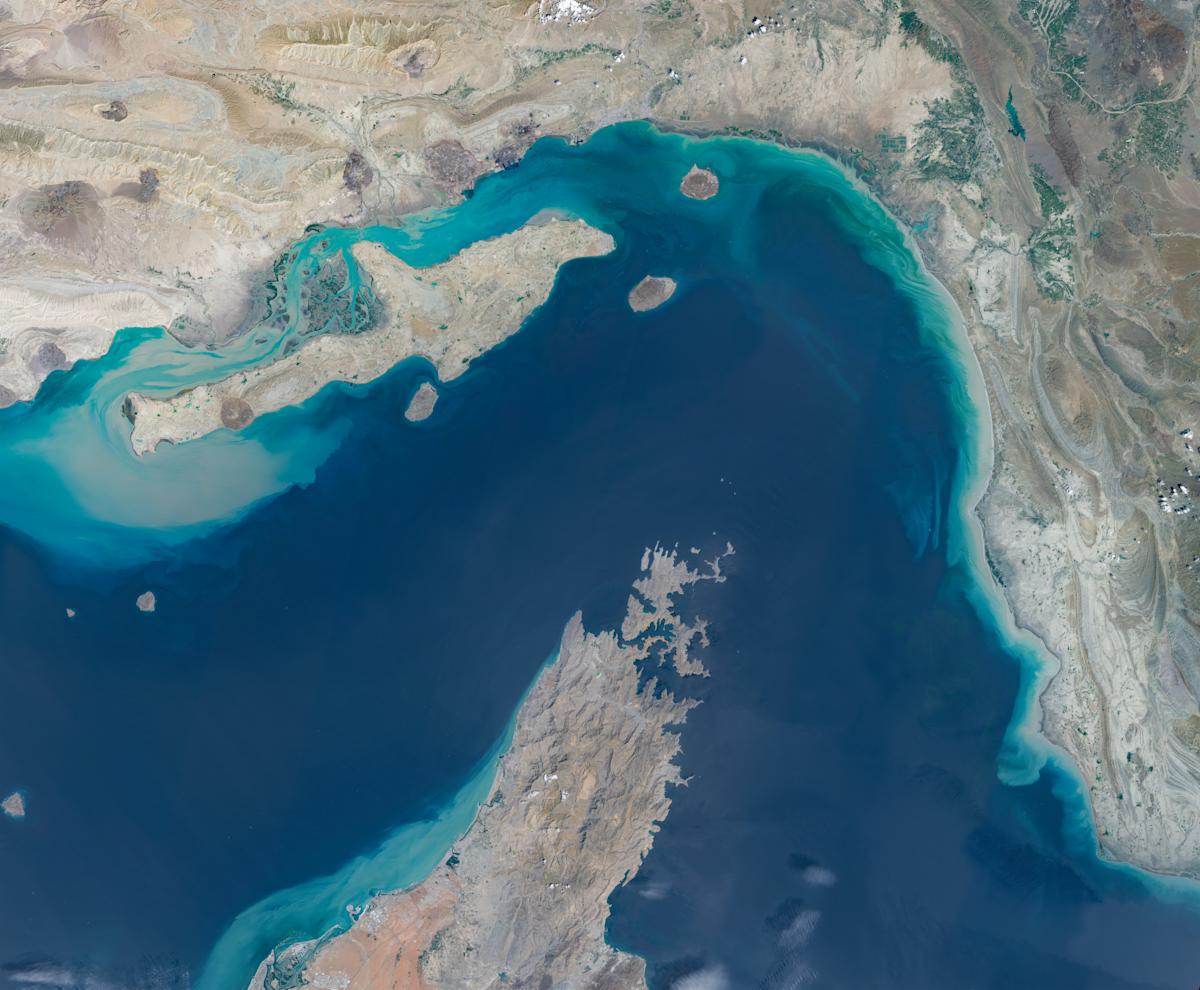
Tensions have dramatically intensified in the Strait of Hormuz following a recent announcement by President Trump aimed at resolving the ongoing deadlock in the region. Iranian state media reported that missiles were fired at a US Navy vessel, prompting the ship to retreat. The US Central Command quickly refuted these claims, asserting that no American ships had been struck. This conflicting information, alongside reports of Iran firing a “warning shot,” has raised tensions in an already precarious situation and triggered a spike in crude oil prices.
On Sunday, President Trump revealed a strategic initiative dubbed “Project Freedom.” This plan aims to have the US military assist commercial vessels, not directly involved in warfare, to navigate safely through the Strait of Hormuz, a vital channel for global oil transport. The initiative is seen as a direct challenge to Iran’s blockade of this crucial maritime route, through which approximately 20% of the world’s oil was transported prior to the outbreak of conflict.
While the Trump administration seeks to impose a blockade targeting Iranian oil exports, the practical ramifications of this military guidance for shippers operating in the Persian Gulf remain uncertain. Administration officials have drawn a clear distinction between the current strategy of ‘guiding’ ships and a potentially more direct approach of ‘escorting’ them through the strait.
Reports indicate that the plan involves identifying mines and safe passage routes, which would be relayed to shipping companies. However, this proposal faced immediate backlash from Iranian authorities, with the chair of Iran’s national security commission denouncing Trump’s statements as ‘delusional.’ He further warned that any new US actions would be termed a violation of the existing ceasefire.
Additionally, a senior Iranian security official claimed Iran’s control over the waterway and threatened attacks on foreign vessels, particularly targeting US military ships, highlighting the increasing volatility of the region.
Market analysts note that the ongoing conflict in Iran lacks viable solutions. Terry Haines from Pangaea Policy advised caution, suggesting that expectations should not be overestimated as a resurgence of hostilities could unsettle the markets further. Similarly, Raymond James highlighted the unclear prospects for ending the US-Iran conflict, emphasising the necessity for careful navigation through these complex geopolitical waters.
In conclusion, while President Trump’s “Project Freedom” intends to bolster the safety of commercial shipping in the Strait of Hormuz, it inadvertently risks inflaming tensions with Iran. The international community watches closely as the situation continues to evolve, underscoring the delicate balance between military posture and diplomatic engagement in a region critical to global oil supply.