Table of Contents
Senator Warren Requests Transparency from Incoming Fed Chair Warsh Regarding Financial Divestments
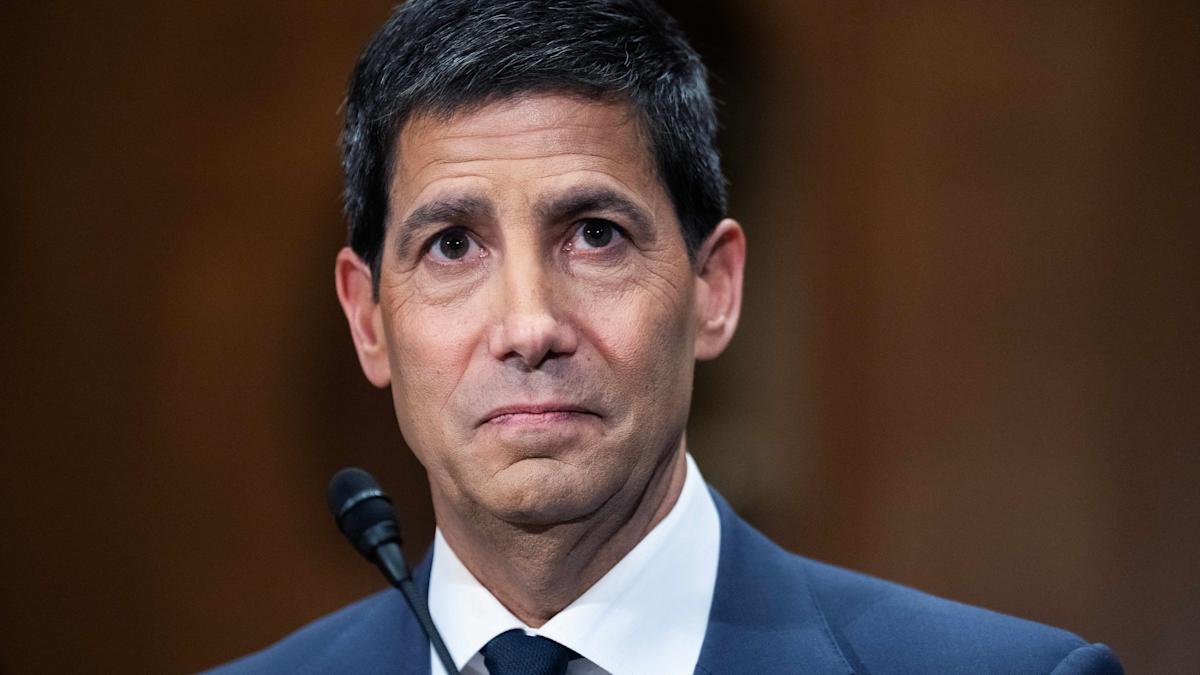
Senator Elizabeth Warren, serving as the leading Democrat on the Senate Banking Committee, has contacted Kevin Warsh, the newly appointed chair of the Federal Reserve, to seek clarity about his financial assets. In a letter sent on Friday, Warren pressed Warsh for an update on his required divestments, specifically asking about the buyers and terms of any asset transactions.
Disclosure Obligations
Warsh, who is mandated to divest from certain financial interests before taking on the role of chair, previously indicated during his nomination hearing in April that he had committed to selling all of his financial investments. He stated that he was “working tirelessly” with the Office of Government Ethics to meet compliance requirements. However, Warren’s inquiry highlights ongoing concerns regarding his substantial yet undisclosed investments, particularly in the Juggernaut Fund, which are speculated to include holdings exceeding $50 million each.
The Juggernaut Fund is managed by the Duquesne Family Office, the personal investment firm of billionaire hedge fund manager Stanley Druckenmiller. Warsh joined Duquesne as an adviser after his Fed tenure in 2011 and is reportedly involved in several other funds managed by them. The confidentiality surrounding these assets has raised eyebrows among Democratic lawmakers, with Warren focusing on the implications of such undisclosed holdings.
Warren’s apprehensions extend beyond mere transparency. She pointed out that if Warsh receives a significant sum, say $100 million, from a transaction prior to assuming office, it could raise ethical questions about potential influences on his decisions during his tenure at the Federal Reserve.
Previous Concerns and Requests
On May 5, Warren addressed a letter to Druckenmiller as well, suggesting he free Warsh from any confidentiality agreements that may prevent him from disclosing his interests. In her correspondence, Warren also inquired whether Druckenmiller would help facilitate Warsh’s divestiture by liquidating his investments in the funds.
In her latest letter, Warren set a deadline of May 29 for Warsh to confirm whether he has divested from his investments in the Juggernaut Fund and others, along with details regarding the terms of those divestments. She expressed concern over the opacity of Warsh’s holdings, emphasising that without proper disclosure, the public would remain unaware if any of his assets were in breach of Federal Reserve regulations prohibiting members from owning stock in banking institutions.
Regulatory Framework
The guidelines require Federal Reserve members to divest from financial entities prior to their confirmation, ensuring no conflicts of interest arise. Senator Warren demanded full disclosure to verify that Warsh is in compliance and remains transparent throughout this process.
Warren noted, “Your lack of transparency poses a problem: one or more of your dozens of funds and entities could hold stock in a prohibited financial institution, and the public would never know.” She accused Warsh of failing to adequately respond to her queries regarding his assets throughout the confirmation process.
Confirmation Status
As of Wednesday, the U.S. Senate officially confirmed Warsh as the 17th Chair of the Federal Reserve. However, customary requirements, including finalising necessary paperwork and completing asset divestments, must be fulfilled before he can take his oath of office.
Warren’s letters and calls for transparency reflect a broader imperative for ethical governance among high-ranking officials, particularly in financial institutions that wield significant economic influence.
For additional coverage on this ongoing situation, and insights into the intersection of Washington policy with financial markets, you can follow Jennifer Schonberger’s reporting on relevant topics, including the Federal Reserve’s decisions and market dynamics.
This situation underscores the critical need for transparency and accountability in financial regulation, particularly in light of the significant responsibilities shouldered by the Federal Reserve Chair in steering monetary policy and ensuring the stability of the financial system.