Table of Contents
The Future of Negative Gearing in Australia: What You Should Know
The Australian government is set to end negative gearing, a pivotal property investment strategy that has shaped real estate dynamics for decades. However, existing investors and new housing constructions will remain exempt from this change. The budget announcement concerning this phase-out has sparked discussions about its potential impact on rental prices and housing supply.
The Effects of Phasing Out Negative Gearing
The federal Treasury estimates that the proposed changes will cause a modest increase in rents, approximately $2 per week, relative to projections from a decade ago. A study by the Commonwealth Bank supports this outlook, suggesting that while the removal of negative gearing may alter rental dynamics slightly, the overall effect on rents will be muted due to the strong correlation between housing supply and rent growth.
Historical Context: The Hawke/Keating Era
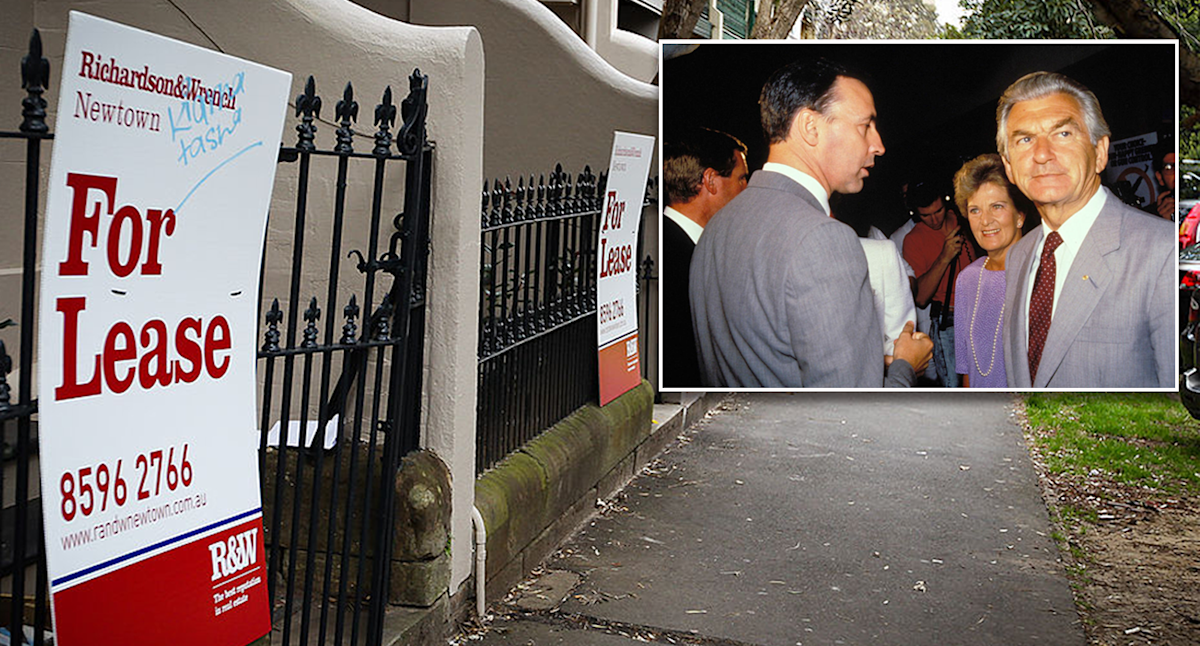
The removal of negative gearing during the Hawke government between 1985 and 1987 is often cited as a cautionary tale of rising rents. However, it’s crucial to contextualise these claims. Prior to the policy change, only 8% of investment properties were negatively geared, indicating a limited initial impact. During this period, while rents surged in cities like Perth (11.6% increase) and Sydney (8.8% increase), other areas such as Brisbane and Adelaide witnessed declines. This variation underscores that local economic conditions significantly impacted rental growth, more than tax policy changes did.
Impact of Demand Fluctuations
From January 2017 to December 2019, there was a noteworthy decline in property investment, with the share of new mortgages to investors plummeting from 40.5% to 27.6%. This shift was largely influenced by stricter lending regulations following the Banking and Financial Services Royal Commission. Interestingly, despite the decrease in investor activity, asking rents increased modestly by 3.6%, averaging roughly 1.2% annually. This suggests that falling investor demand did not automatically translate into significant rent increases.
The evidence supports the idea that numerous factors, such as population dynamics and housing availability, play a crucial role in determining rental prices. The relationship between investor demand and rental pricing is complex and cannot be oversimplified.
Insights and Conclusions
While the current changes to negative gearing are poised to impact investor demand, the anticipated effect on rental prices remains uncertain. Historical precedents, such as the experience during the Hawke government, illustrate that various factors can lead to different outcomes in rental markets, even following significant tax policy changes.
Negative gearing will still be available to existing investors, which means any adjustment in the market may evolve slowly over time rather than produce immediate shifts. Policymakers and analysts alike must consider the underlying economic factors, such as population growth and housing supply trends, as they assess the future of rental dynamics in Australia.
In summary, the complexities of the relationship between taxation policy, investor behaviour, and rental prices highlight that while changes to negative gearing will undoubtedly reshape the investment landscape, this does not guarantee a direct correlation with rent increases. Understanding the broader context and localised market conditions will be essential as Australia navigates this crucial financial transition.
For ongoing updates on this topic, follow Yahoo Finance on Facebook, LinkedIn, and Instagram.