A recent trend in Australian shopping reflects a notable shift towards home brands over traditional branded products, a move propelled by rising grocery prices and increasing skepticism about big supermarket discounts. A report from Shop! ANZ and Vypr highlights that a significant 25% of consumers now refuse to pay more for branded supermarket items, particularly among older demographics, with 43% of those aged 55 to 64 exhibiting this sentiment.
### Consumer Behaviour Shift
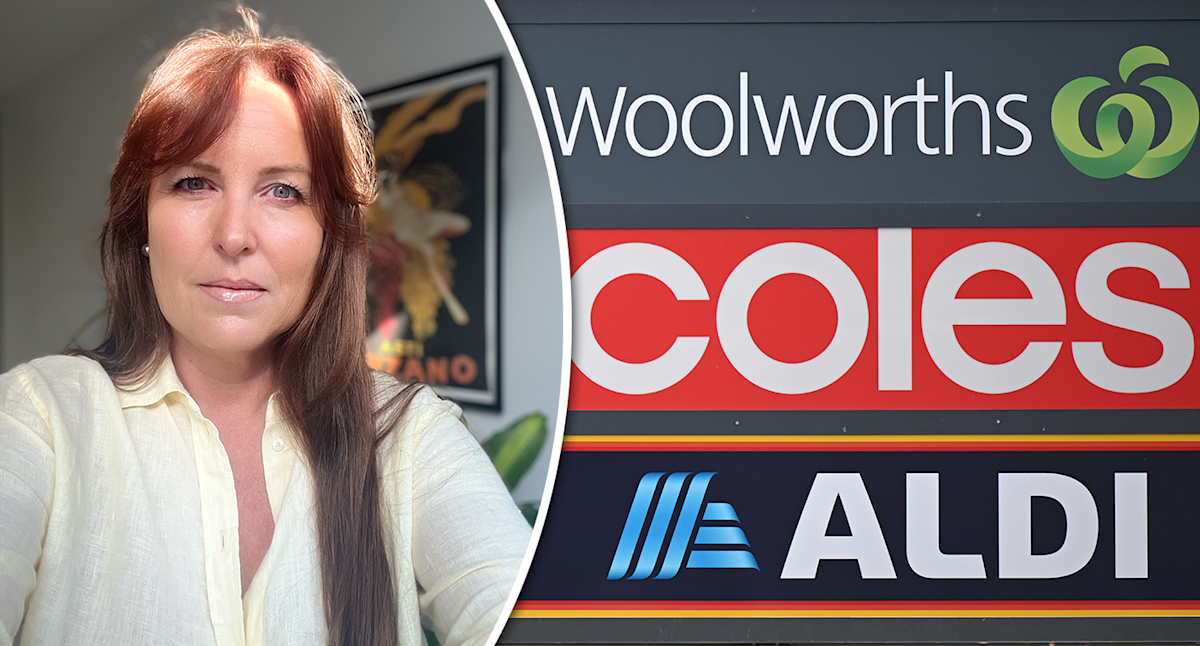
This trend is exemplified by Sydney resident Angeline Wyatt, who has adjusted her shopping habits due to significant increases in grocery prices. Over the past year, Wyatt has primarily turned to home brand products, particularly from Aldi—where approximately 90% of the products are exclusive home brands. Her regular shopping routine includes bulk purchases at Aldi, costing around $300 monthly, alongside smaller top-up shops at Coles and Woolworths.
Wyatt’s experience mirrors a broader sentiment among consumers. Many are price-driven and less loyal to established brands, especially for staple items such as beans and canned vegetables. She notes that there is often little discernible difference in quality between home brands and premium products.
### Insights from Research
The Shop! ANZ report further reveals that 58% of consumers would opt for branded products primarily due to perceived better quality or taste, with familiarity playing a role for 46% of shoppers—especially in snacks and health and beauty categories. Yet, many are now weighing price against quality more critically, prompting a more competitive environment among retailers and suppliers.
### Trust Issues with Major Supermarkets
Recent controversies involving Coles and Woolworths—such as misleading discount claims—are intensifying this trend. Coles is facing potential record fines after a court ruling found it had misled consumers with discounted pricing practices. These incidents are fostering scepticism about supermarket pricing, as consumers become more cautious and strategic in their purchasing decisions.
Consumer expert Joel Gibson notes that the inflation crisis has shifted shopping habits, with a notable increase in home brand purchases as consumers seek value amidst economic pressures. He anticipates that the current distrust towards major supermarkets will fuel the preference for home brands in the coming years.
### A Call for Consumer Vigilance
As many Australians find their budgets tighter, Wyatt encourages fellow shoppers to be vigilant and strategic when grocery shopping, often purchasing items only during sales. She underscores the importance of being aware that not all advertised discounts are genuine, advising consumers to be alert and informed while navigating supermarket aisles.
In summary, the growing preference for home brands over traditional branded products in Australia is reshaping the grocery landscape. Driven by rising costs and eroded trust in major supermarket pricing strategies, this shift is likely to continue, as consumers adapt to challenging economic conditions by prioritising value and quality in their shopping choices.