A Year Since "Liberation Day": Assessing Trump’s Tariffs and Economic Promises
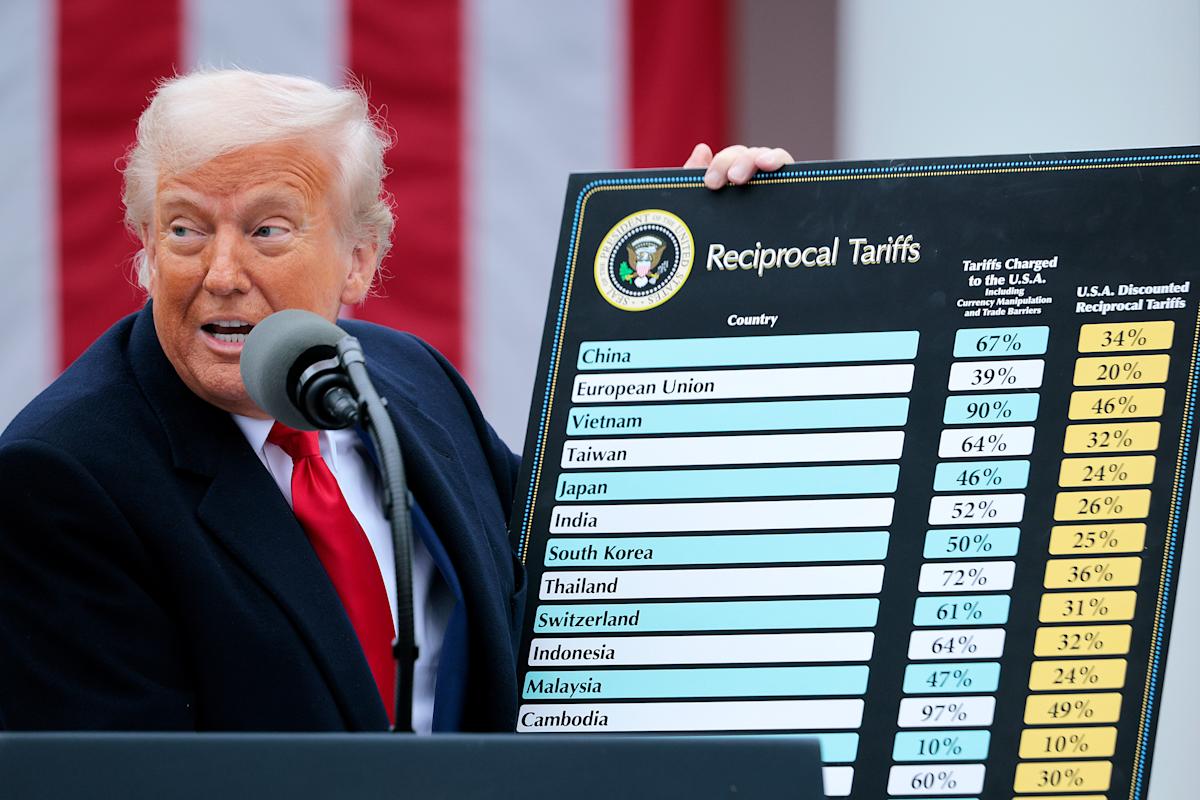
One year ago, President Trump declared April 2 as "Liberation Day" whilst unveiling new tariffs affecting approximately 90 countries. He painted an optimistic picture of the US economy, forecasting an economic boom and a sharp reduction in the trade deficit. However, 12 months later, the reality paints a different picture, marked by legal challenges and economic complexities.
Economic Implications Post-Tariffs
The predicted benefits of Trump’s hefty tariffs have been underwhelming. The Supreme Court invalidated the sweeping duties he introduced, which were intended to shield American manufacturers. Consequently, the overall impact of these tariffs has led to increased prices for consumers and flagging economic activity, contradicting the administration’s central claims.
A study by the Tax Foundation highlighted that the tariffs contributed to heightened costs for goods while exerting a negative influence on economic dynamism.
Despite claims that tariffs would bolster production and consequently lower consumer prices, inflation has remained a significant issue, with rising costs still burdensome for American households.
Job Growth Fallacy
Trump’s assertions regarding job creation were ambitious. He claimed that jobs and factories would return to the US, yet the latest labour market metrics tell a different story. As of February 2026, employment barely budged from April 2025’s figures, with a slight decrease recorded in nonfarm payrolls. In fact, manufacturing jobs have suffered considerably, with approximately 89,000 jobs lost in this sector alone since Trump’s term began, highlighting the irony as he criticises job losses under his predecessor.
Furthermore, construction spending in manufacturing has declined, indicating a stalling industrial landscape. Critics, including the Center for American Progress, assert that ongoing supply chain issues, exacerbated by geopolitical tensions, have only compounded the difficulties in the manufacturing sector.
Trade Deficit Trends
As Trump emphasised the importance of reducing the trade deficit, the data suggests little improvement since his tariff implementation. The trade deficit remained roughly the same at $57.3 billion in February 2026 as it was in April 2025, despite fluctuations in the interim. The National Taxpayers Union noted that the deficit for goods reached historic highs during 2025, raising concerns about the long-term implications of his policies.
Debt Accumulation
Contrary to Trump’s claim that his policies would foster an atmosphere conducive to paying down national debt, the reality has thus far been quite the opposite. The gross national debt rose from approximately $36.2 trillion to over $39 trillion within the year, marking an "embarrassing milestone" for fiscal responsibility advocates.
Moreover, the revenue from tariffs has dipped, signalling dwindling support from this source for federal finances as preparations for a tariff refund process threaten to remove an estimated $166 billion from government coffers.
Economic Growth Rate Declines
Trump’s predictions of sustained economic growth are yet to materialise. Economic growth showed a concerning slowdown, with the annualised growth rate dropping to 0.7% as of the last quarter of 2025—a stark contrast to the 2.3% growth experienced in the final quarter of Biden’s administration.
Commitment to Tariffs Amidst Challenges
Despite facing legal challenges, Trump remains steadfast in his commitment to certain tariffs. He introduced a minimum baseline tariff of 10%, transitioning to another legal authority after the Supreme Court’s decision to invalidate the previous tariffs. However, vital sectors such as pharmaceuticals and semiconductors have largely evaded the heavy tariff burdens intended by these policies, allowing industries to circumvent significant duties by promising domestic investments.
The fluctuation of tariff rates—more than 50 changes in Trump’s second term—leaves businesses grappling with uncertainty, which can hinder long-term investment strategies.
Conclusion
The one-year anniversary of Trump’s tariff announcement underscores a range of challenges—including lacklustre job creation, stagnant trade deficit levels, rising national debt, and slower economic growth—contrary to his original assertions. As Trump continues to navigate these complexities, the effectiveness of his strategies remains under scrutiny, particularly in light of the substantial promises made to the American public.